2026 Top Automation Solutions for Global Buyers?
Global buyers are entering 2026 with higher expectations for speed, traceability, and measurable efficiency. Manufacturing plants, warehouses, laboratories, and service teams now need solutions for automation that fit existing operations. The best choice is rarely the most impressive demonstration. It is the system that performs reliably during an ordinary Tuesday shift.
This guide examines leading automation options for international purchasing teams. It considers industrial robots, collaborative robots, automated guided vehicles, machine vision, robotic process automation, and cloud-based control platforms. Practical evaluation matters. Buyers should review cycle times, integration requirements, operator training, maintenance access, data security, and local technical support. A robotic arm may achieve excellent precision, yet poor software integration can delay production for weeks. Small details matter.
Reliable suppliers should provide clear specifications, test records, warranty terms, and realistic implementation schedules. Independent certifications and documented case studies also strengthen confidence. However, no shortlist is perfect. Total ownership costs can change after installation, especially when spare parts cross borders. Currency changes, limited local skills, and unclear data responsibilities can create unexpected pressure. These risks deserve honest discussion.
The following overview focuses on adaptable technologies and responsible purchasing decisions. It separates proven capabilities from attractive claims. Global buyers can compare performance, scalability, safety, and long-term value with greater confidence. Still, each facility has different constraints. A solution that succeeds in a modern distribution center may fail in an older factory. Careful testing remains essential. Practical results matter more than polished promises.
What Defines Top Automation Solutions for Global Buyers in 2026
2026 Top Automation Solutions for Global Buyers
What Defines Top Automation Solutions for Global Buyers in 2026
Top automation solutions in 2026 must solve practical problems across different markets, languages, and operating conditions. A fast machine is not enough.
Experienced buyers examine the full workflow, from installation to maintenance. They look for open communication protocols, clear documentation, and simple integration with existing equipment. A solution should also support regional safety requirements, data protection rules, and responsible human oversight. These details often decide whether a project works beyond the pilot stage.
Reliability matters more than impressive demonstrations. Buyers should request performance records, failure data, and realistic testing conditions. A system that performs well in a clean showroom may struggle with dust, unstable networks, or changing product sizes. Local technicians, remote diagnostics, and accessible replacement parts can reduce costly delays. Small details matter.
Cybersecurity is now part of automation quality. Secure access controls, software updates, and traceable user activity deserve careful review. Energy use also affects long-term value, especially in facilities operating continuously. However, no solution fits every factory. A highly automated line may increase errors when workers lack proper training. Pilot projects can expose this weakness early. Even experienced teams sometimes underestimate integration time, maintenance skills, or employee concerns. Buyers should measure results honestly, including downtime and operator feedback, before expanding the system.
Key Automation Technologies Shaping International Procurement
2026 Top Automation Solutions for Global Buyers
International procurement is moving from manual spreadsheets toward connected automation. AI demand forecasting can compare sales history, seasonal changes, and regional buying patterns. It may reduce stockouts, but poor data still produces confident mistakes. Human review remains necessary.
Robotic process automation handles repetitive tasks across purchase orders, invoices, and supplier records. Optical character recognition can extract prices, quantities, and delivery dates from scanned documents. Application programming interfaces connect procurement platforms with logistics and finance systems. These links improve visibility across time zones. They also expose weak data controls quickly.
Multilingual AI helps buyers compare specifications and identify unusual contract language. Predictive analytics can flag late shipments before production stops. Internet of Things sensors add live information about temperature, location, and warehouse conditions. Digital audit trails support accountability during supplier reviews. Yet automation cannot understand every cultural nuance or contractual risk. A system may misread measurement units or classify a product incorrectly. Procurement teams should test outputs with real regional documents before wider deployment. Smaller suppliers may also lack compatible systems, creating uneven access. That limitation deserves attention in 2026.
How to Evaluate Automation Solutions Across Global Markets
2026 Top Automation Solutions for Global Buyers?
How to Evaluate Automation Solutions Across Global Markets
Global automation buying requires more than comparing purchase prices. Evaluate the complete operating environment, including labor costs, energy supply, import procedures, and local technical support. A system that performs well in one factory may struggle elsewhere. Climate matters too. Dust, humidity, voltage variation, and limited floor space can change results.
Start with measurable production evidence. Request cycle-time records, uptime data, maintenance logs, and sample output from comparable facilities. Ask how performance was tested, not only what the brochure promises. Review safety functions, training requirements, software updates, and spare-part availability. Check whether the solution can connect with existing equipment and common industrial data systems. Small integration details often create large delays.
Local compliance deserves careful attention. Confirm applicable machinery safety rules, electrical requirements, cybersecurity expectations, and data-storage restrictions in each target market. Independent testing and clear documentation improve confidence. Service response times should be written into the agreement. Not assumed.
A spreadsheet can still mislead us. I once focused heavily on throughput and overlooked operator training time. The projected savings weakened quickly. Buyers should test the solution through a site visit, pilot run, or controlled acceptance trial. Speak with current users when possible. Their maintenance experience may reveal issues that formal demonstrations hide. Global evaluation is rarely perfect, but transparent evidence makes imperfect decisions safer.
Industry Applications and Integration Requirements
2026 Top Automation Solutions for Global Buyers
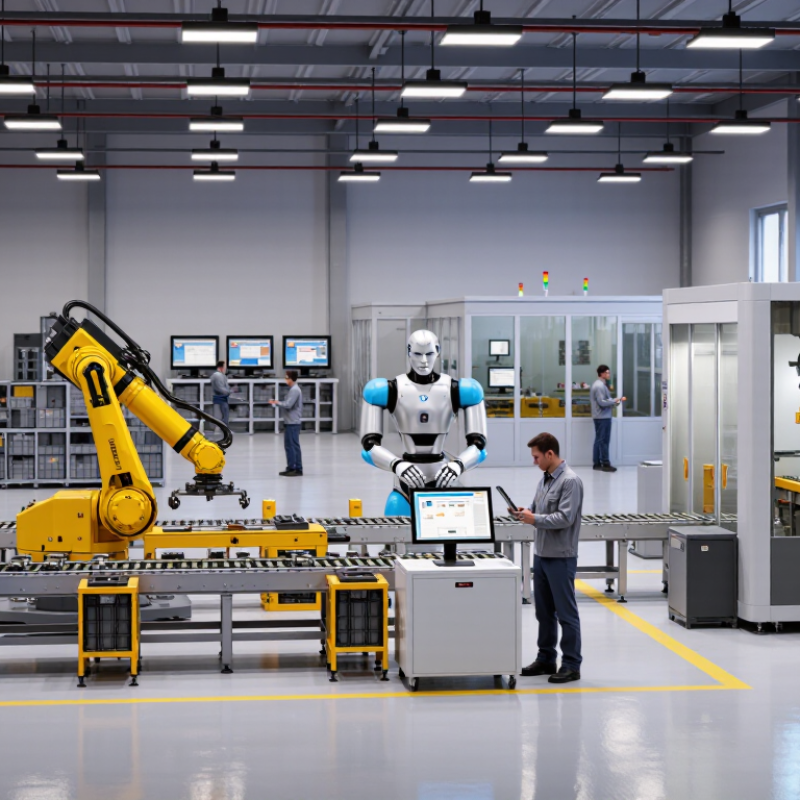
Automation solutions in 2026 must fit real industry conditions, not only impressive demonstrations. In manufacturing, robotic cells can handle repetitive assembly, inspection, and packaging. Warehouses need mobile systems that navigate narrow aisles and share space with workers. Farms may use sensors to monitor soil moisture, temperature, and crop growth. Hospitals require careful scheduling, traceable data, and strict human supervision.
Integration usually determines whether a project succeeds. Equipment should communicate with existing PLCs, MES, ERP, and warehouse platforms through open protocols such as OPC UA or MQTT. Clear API documentation reduces expensive custom development. Buyers should also check data ownership, system latency, remote access controls, and offline operation. A weak network can stop a carefully designed process.
Cybersecurity needs attention from the first planning meeting. Use role-based access, encrypted connections, network separation, and regular software updates. Safety functions should remain available during communication failures. Operators need practical training, not only digital manuals. A small pilot can reveal unexpected issues, such as poor sensor placement or inconsistent product sizes. No deployment is flawless. Some integration plans look efficient on paper but create extra work on the factory floor. Measurable tests, local service capability, and documented maintenance procedures provide stronger evidence than sales promises.
2026 Top Automation Solutions for Global Buyers
Industry applications and integration requirements
This planning benchmark compares the integration priorities commonly associated with major industrial automation applications. Scores use a 0–100 requirement index, where higher values indicate greater integration importance. Cross-platform connectivity, real-time control, safety compliance, data visibility, and scalability are key considerations for global buyers in 2026.
Costs, Suppliers, Compliance, and Future Development Trends
2026 Top Automation Solutions for Global Buyers
Automation purchasing in 2026 requires more than comparing equipment prices. Buyers should calculate installation, operator training, maintenance, software updates, energy use, and possible downtime. A low purchase price can become expensive when spare parts arrive slowly or local technicians lack experience. Request a detailed total-cost estimate and test the system with real production samples. Small trials reveal practical problems that brochures often hide.
Supplier evaluation should include documented quality procedures, cybersecurity controls, technical support hours, and previous export experience. Ask for traceable components, clear warranty terms, and measurable service response times. Compliance also needs early attention. Check electrical safety, machine guarding, data protection, import documentation, and workplace requirements in each target market. Rules differ, and assumptions can create delays. Independent inspection may be worthwhile before shipment.
Tips: Compare at least three suppliers. Request reference projects. Keep compliance records organized. Confirm who pays for upgrades.
Future systems will increasingly combine sensors, predictive maintenance, flexible robotics, and data-based production planning. These tools can reduce waste and improve consistency, but integration is rarely effortless. Older machinery may need adapters, new networks, or redesigned workflows. Human oversight remains essential for unusual defects and safety decisions. Some automation plans look impressive on paper, yet they fail because staff training receives too little attention. A staged rollout is usually safer, although it may appear slower at the beginning.