What Is Mining Automation and How Does It Work?
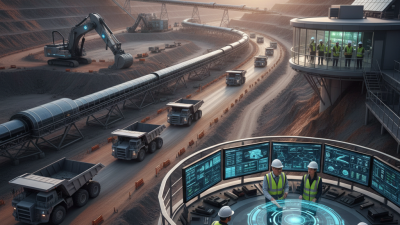
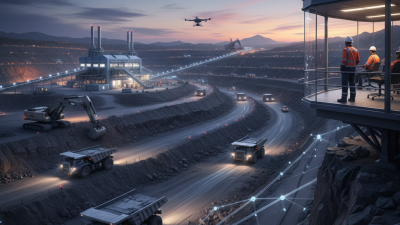
Mining automation is changing how modern mines plan, operate, and protect their people. It connects autonomous trucks, remote drilling, robotic inspection, sensors, and software. These systems collect data from dusty pits and underground tunnels. They then support faster decisions, steadier production, and safer equipment control. The machinery may look impressive. The real value often appears in small details, such as fewer idle minutes or earlier warnings about overheating brakes.
Mark Cutifani, former chief executive of Anglo American, said, “Technology is going to be a key enabler for the future of mining.” His statement reflects an important industry reality. Automation is not simply about removing workers from dangerous areas. It is about giving skilled teams better information and more precise control. Operators may work from control rooms while machines handle repetitive tasks near unstable walls, heavy traffic, or extreme heat.
Yet mining automation is not a perfect answer. Poor data can produce poor decisions. A disconnected sensor can interrupt an entire shift. Workers also need training, maintenance support, and clear responsibility when systems fail. This article explores what mining automation means and how it works in practice. It examines the technologies behind autonomous haulage, remote operations, fleet management, and predictive maintenance. It also considers the uncomfortable gaps between a successful pilot and a reliable mine-wide system. Progress is real, but it is rarely effortless.
What Mining Automation Means in Modern Mining Operations
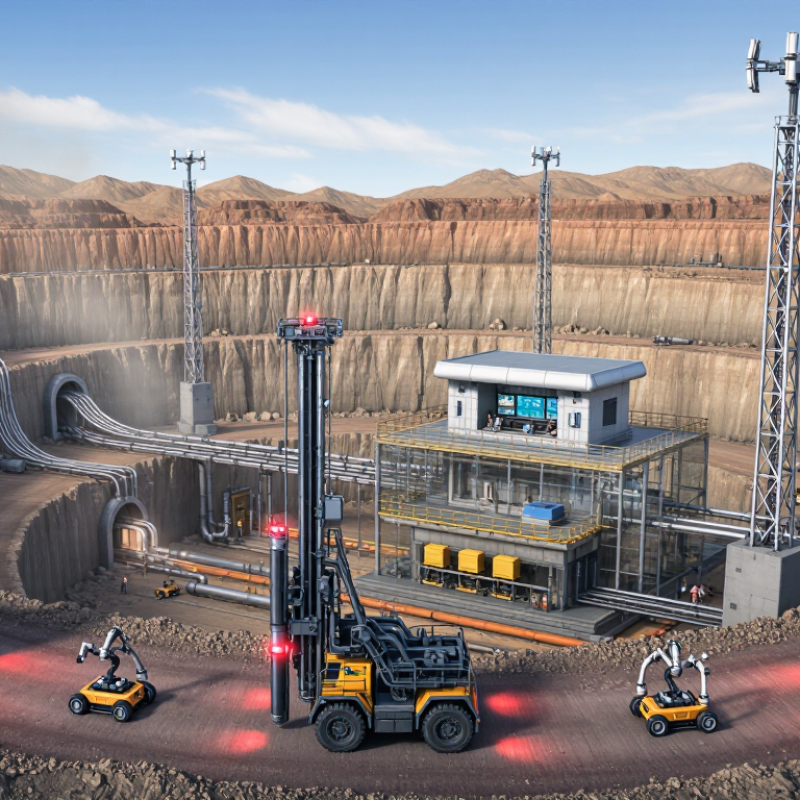
Mining automation means using sensors, software, robotics, and remote control to perform mining tasks with less direct human exposure. In modern operations, autonomous trucks follow mapped routes, robotic drills maintain planned patterns, and ventilation systems adjust airflow from live underground readings. Control-room operators still supervise exceptions, traffic conflicts, and changing ground conditions. The change is physical.
The International Labour Organization estimates that mining employs about 1% of the global workforce but causes roughly 8% of fatal occupational accidents. This imbalance explains automation’s strongest purpose: removing people from unstable faces, high walls, blasting zones, and heavy vehicle paths. Industry guidance from the Global Mining Guidelines Group stresses staged deployment, clear safety cases, worker training, and reliable communication networks. Automation is not simply buying machines. It is redesigning work around data.
Performance gains can be meaningful. A 2023 McKinsey analysis reported that autonomous haulage programs may raise productivity by about 10% to 20%, depending on site conditions and operating maturity. However, these figures are not universal. Poor road surfaces, weak network coverage, and inconsistent maintenance can reduce the benefits quickly. The International Council on Mining and Metals’ safety reporting also shows why human factors remain important. Operators must understand system limits, not merely watch dashboards. A truck can stop safely, yet a delayed sensor warning may still expose workers to danger. The technology works best when engineers test failure scenarios, crews challenge optimistic assumptions, and managers measure near misses alongside tonnes moved.
Core Technologies That Enable Automated Mining Systems
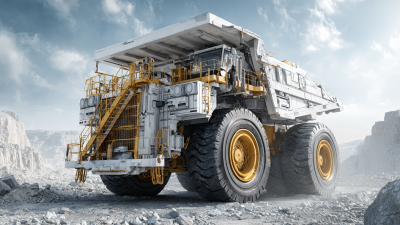
Mining automation combines sensing, communication, data processing, and machine control. These technologies help equipment operate with fewer direct commands. In an open-pit mine, cameras, lidar, radar, and satellite positioning track roads, slopes, vehicles, and workers. Sensors also measure engine temperature, vibration, tire pressure, and dust levels. Small changes can reveal developing mechanical problems.
The data moves through private wireless networks to edge computers and control centers. Edge computing matters because machines cannot always wait for distant servers. Software compares live readings with operating rules, digital mine maps, and historical patterns. An automated haul truck can adjust speed, follow a planned route, and stop when an obstacle appears. Machine-learning models support route planning and predictive maintenance, but they still require carefully checked training data. Poor data produces confident mistakes.
Safety systems add another layer. Geofencing can restrict equipment from entering unstable areas, while collision-avoidance tools warn nearby operators. Human supervisors monitor alarms and can take control when conditions change. No system is perfectly autonomous. Dust can reduce camera accuracy. Heavy rain can distort sensors. A practical weakness is often overlooked: workers may trust automation too quickly. Regular testing, clear procedures, cybersecurity controls, and hands-on inspections remain necessary, especially when a slope shifts or communication fails.
How Data and Control Systems Coordinate Mining Activities
What Is Mining Automation and How Does It Work?
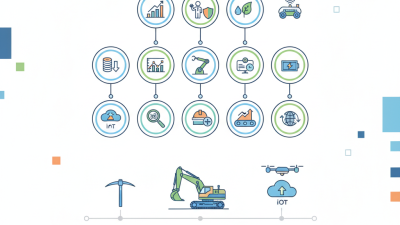
Mining automation connects field data with control systems that coordinate vehicles, drilling equipment, conveyors, and processing areas. Sensors measure machine position, engine condition, rock movement, dust levels, and road quality. This information travels to an operations center, where software compares live readings with production and safety targets. The system can then adjust travel routes, loading times, or equipment speed.
The control process works like a continuous loop. Data comes in, decisions are checked, and instructions move back to the site. For example, a haul truck may slow down when a slope sensor detects unstable ground. A conveyor can reduce its speed when material flow becomes uneven. Operators still monitor these actions and can intervene when conditions change suddenly. Human judgment remains essential.
Reliable automation needs more than fast software. Engineers must calibrate sensors, test emergency stops, and protect communication links from failure. Poor data can produce confident but unsafe decisions. Wet ore may distort readings, while dust can block a camera’s view.
Not always.
These details expose a weakness in many automated plans: they often assume stable conditions. Real mines are less predictable. Regular inspections, independent checks, and clear operating procedures help control that uncertainty. Teams also review unusual events, even when no damage occurs. That habit turns raw incident data into practical improvements for future shifts.
The Step-by-Step Workflow of an Automated Mining Operation
What Is Mining Automation and How Does It Work?
The Step-by-Step Workflow of an Automated Mining Operation
An automated mining operation begins with geological surveys, historical records, and current sensor data. Engineers combine these sources to build a digital model of the deposit. The model estimates ore location, rock strength, water risk, and expected production. It is useful, but never perfect. Ground conditions can change within hours.
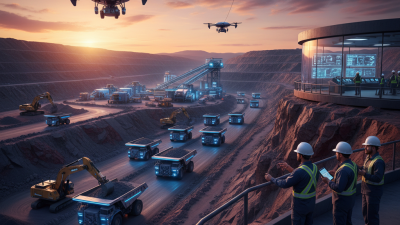
Planners then convert the model into controlled tasks. Software assigns drilling, loading, hauling, and inspection activities according to safety limits. Machines receive mapped routes, speed restrictions, and exclusion zones. Approved blasting plans require trained personnel, legal permits, and verified clearance procedures. Afterward, autonomous or remotely operated equipment moves through the site while cameras, radar, and positioning systems track its location. A control-room operator watches live dashboards and can stop equipment immediately.
Data returns continuously from vehicles, crushers, ventilation systems, and environmental monitors. The system compares actual performance with the production plan. If a haul route becomes unstable, it can reroute traffic or request human inspection. Maintenance teams review vibration, temperature, and hydraulic readings before failures occur. Yet automation can misread a dusty sensor or lose communication near rock walls. Human judgment remains essential, especially during unusual events. Small errors in the digital map can also create expensive delays, so engineers regularly verify machine data against field observations.
Applications, Benefits, and Challenges of Mining Automation
What Is Mining Automation and How Does It Work?
Mining automation uses sensors, software, and machines to perform mining tasks with limited direct control.
Operators monitor equipment from safer control rooms.
They can adjust routes, drilling patterns, and production settings using live data.
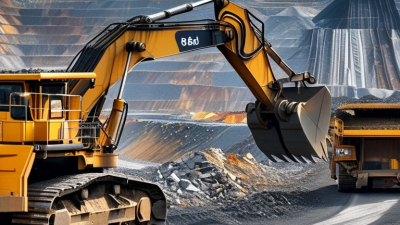
Its applications cover drilling, loading, hauling, crushing, and equipment inspection. Autonomous haulage systems can follow mapped routes through dusty pits. Robotic drills can maintain steady depth and alignment.
Sensors also measure vibration, temperature, fuel use, and tire pressure. This information supports predictive maintenance before a small fault becomes a costly shutdown. In underground mines, remote machines can enter unstable areas while workers remain outside immediate danger.
The benefits are practical but not automatic. Automation can reduce exposure to falling rock, traffic collisions, noise, and extreme heat. More consistent machine movement may improve fuel efficiency and ore recovery. It can also create detailed operating records for safety reviews and production planning. Yet these systems depend on reliable networks, clean data, and skilled technicians. A damaged sensor can produce a confident but incorrect decision. That assumption is risky.
Automation may reduce some jobs while increasing demand for programmers, electricians, data analysts, and maintenance specialists. Training must match real site conditions, not only classroom simulations. Human oversight remains essential during storms, poor visibility, equipment failures, and unexpected ground movement. In my view, the hardest challenge is organizational: a mine may buy advanced equipment but keep outdated procedures. The technology then works, but the operation does not.