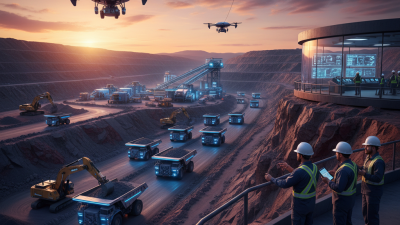
Why is Mining Automation Essential for Modern Operations?
The landscape of mining is rapidly changing. Mining automation is becoming a cornerstone for modern operations. This shift is driven by the need for increased efficiency and safety. Automation reduces human error. It also minimizes risks associated with hazardous environments.
Implementing mining automation is not without challenges. The initial costs can be high. There is also a steep learning curve for operators. Companies must adapt to new technologies. Resistance to change can hinder progress. Yet, the benefits often outweigh these obstacles.
Enhanced productivity is a major advantage of mining automation. Automated systems work tirelessly, improving output without fatigue. They can operate in harsh conditions that may be unsafe for humans. As industries face labor shortages, automation provides a viable solution. The path forward may be complex, but embracing change is essential.
The Growing Demand for Efficiency in Mining Operations
The mining industry faces increasing pressure to enhance efficiency. Operations are often slow, expensive, and labor-intensive.
Automation can address these challenges effectively. Automated systems improve accuracy and reduce human error. For instance,
autonomous vehicles can operate continuously, handling material without fatigue.
Moreover, mining automation can reshape workforce dynamics. While it can lead to job displacement, it also creates new roles
in tech maintenance. Workers may need upskilling to thrive in this evolving landscape. Automation is not a silver bullet; it
requires thoughtful integration. Companies must balance efficiency with employee needs.
The pursuit of efficiency is relentless. Many operations still struggle with outdated processes. Transitioning to automated
systems demands significant investment and time. It also requires a cultural shift within organizations. Mining firms must
embrace continuous improvement while being mindful of their workforce's capabilities and concerns.
Key Benefits of Mining Automation for Operational Safety
Mining automation plays a crucial role in enhancing operational safety in the industry. According to a report by the International Council on Mining and Metals (ICMM), automation can reduce workplace accidents by up to 50%. By replacing workers in high-risk environments with automated systems, mines can significantly lower the incidence of injuries and fatalities. This transition is essential as the mining sector continues to face scrutiny over worker safety.
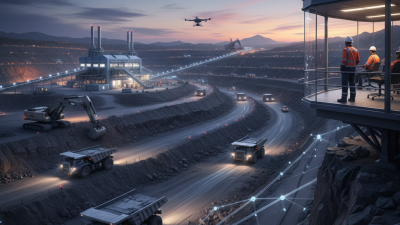
Furthermore, automated systems can consistently monitor conditions in real-time. The World Economic Forum highlights that real-time data analytics can predict potential hazards before they occur. For instance, automated trucks and drones equipped with sensors can detect ground instability, ensuring that safety protocols are enforced proactively. However, challenges remain in implementing these technologies. Investments in training and infrastructure are required to integrate automation effectively.
Despite the benefits, some industry veterans express concern over reliance on machines. There are fears that automation may overlook nuanced human insights. While machines excel at repetitive tasks, they may miss subtle signs of danger that experienced workers could catch. Balancing technology with human expertise becomes vital. The industry must focus on ensuring both safety and efficiency through a hybrid approach.
Impact of Automation on Labor Costs and Workforce Dynamics
Automation in mining is revolutionizing labor dynamics. According to the International Council on Mining and Metals (ICMM), automation can reduce labor costs by up to 30%. This shift significantly impacts workforce structure, as mining operators streamline operations and minimize reliance on human labor. The integration of automated systems leads to increased efficiency, but it also raises questions about job displacement.
Many workers fear losing their positions due to automation. A report by the World Economic Forum projects that while 75 million jobs may be lost, 133 million new roles could emerge. These new roles prioritize advanced skills in technology and data management. Despite this, the transition is not without challenges. Companies must invest in reskilling their current workforce to adapt to new technologies.
Furthermore, the implementation of automation isn't universally smooth. Different regions and companies face varying levels of technological readiness. In some areas, local workers may resist automation due to concerns about job security. The process of integrating advanced machinery remains complex. This complexity highlights the need for strategic planning when automating operations. Balancing efficiency and workforce concerns will be vital for sustainable mining practices.
Technological Innovations Driving Mining Automation Forward
Mining automation is transforming operations in profound ways. Advanced technologies, like artificial intelligence and machine learning, are leading this shift. These innovations streamline processes and improve efficiency. Automated equipment can work continuously, reducing downtime. However, this transition requires careful planning and integration.
Real-time data collection is another powerful tool enhancing productivity. Sensors and IoT devices gather crucial information from operations. This data helps in making informed decisions quickly. Yet, challenges remain in data management and security. As mining companies embrace these technologies, they must address these concerns.
Moreover, the human element is critical in this landscape. Operators must adapt to new roles, focusing more on oversight than manual tasks. This shift creates a gap in skill sets that require targeted training programs. Balancing innovation with workforce readiness is essential for successful implementation.
Why is Mining Automation Essential for Modern Operations?
| Dimension |
Current Status |
Future Potential |
Impact on Operations |
| Safety Improvements |
Reduced accidents and fatalities |
Further reduction with advanced AI |
Enhanced worker safety and morale |
| Operational Efficiency |
Increased productivity |
Optimization through real-time data |
Lower operational costs |
| Environmental Impact |
Reduction in emissions |
Sustainable practices with automation |
Compliance with regulations |
| Cost Reduction |
Lower maintenance costs |
Long-term savings through efficiency |
Improved profit margins |
| Data Utilization |
Basic data reporting |
Predictive analytics and insights |
Data-driven decision making |
Case Studies: Successful Implementations of Mining Automation Techniques
In recent years, mining automation has transformed the industry. Companies that have adopted these techniques report increased efficiency and safety. For instance, surface mining operations using automated haul trucks have recorded a 15% reduction in operational costs. This isn't merely a trend; it's a significant shift supported by data from industry reports.
One compelling case study involves a mine in Australia, which implemented autonomous drilling systems. After the integration, drill accuracy improved by 20%. Moreover, the operation saw a 30% decrease in downtime due to fewer manual errors. Such advancements demonstrate how automation can enhance precision while reducing labor costs.
However, the journey towards full automation is not without challenges. Some mining companies encountered resistance from employees fearing job losses. Additionally, integrating new technologies can be complex and costly upfront. It's crucial for organizations to carefully consider these factors while planning for automation. A balanced approach can lead to successful outcomes and sustainable growth.
Impact of Mining Automation on Operational Efficiency