China Top 10 Agriculture Automation Types for Global Buyers?
Agriculture automation is changing how farms manage labor, water, crops, and production risks. Global buyers now compare more than machine prices. They examine reliability, operating conditions, service networks, data security, and integration with existing equipment. A powerful robot can still fail commercially if spare parts arrive late. Real farms are less tidy.
This guide introduces ten major agriculture automation types for international buyers. They include autonomous tractors, robotic harvesters, precision seeding systems, automated irrigation, greenhouse control platforms, drone-based monitoring, livestock feeding systems, robotic milking, crop sorting equipment, and farm management software. Each category solves a different operational problem. A camera-guided sprayer may reduce unnecessary chemical use, while a sensor-based irrigation system can respond to soil moisture near the root zone. These details matter more than impressive brochures.
The discussion follows practical purchasing concerns, including output capacity, terrain compatibility, worker training, maintenance access, and total ownership cost. It also considers regional differences in farm size, climate, infrastructure, and technical support. Buyers should request demonstrations under realistic field conditions. Laboratory performance is not enough. Some automation projects deliver excellent results; others expose weak connectivity, difficult software, or unclear maintenance responsibilities. That uncertainty deserves attention. The best choice is rarely the most advanced machine. It is usually the system that workers can operate confidently, suppliers can support consistently, and farm managers can measure over several seasons. This overview offers a balanced starting point for evaluating agriculture automation with professional judgment and realistic expectations.
What Agriculture Automation Means in China’s Export Market
China Top 10 Agriculture Automation Types for Global Buyers
What Agriculture Automation Means in China’s Export Market
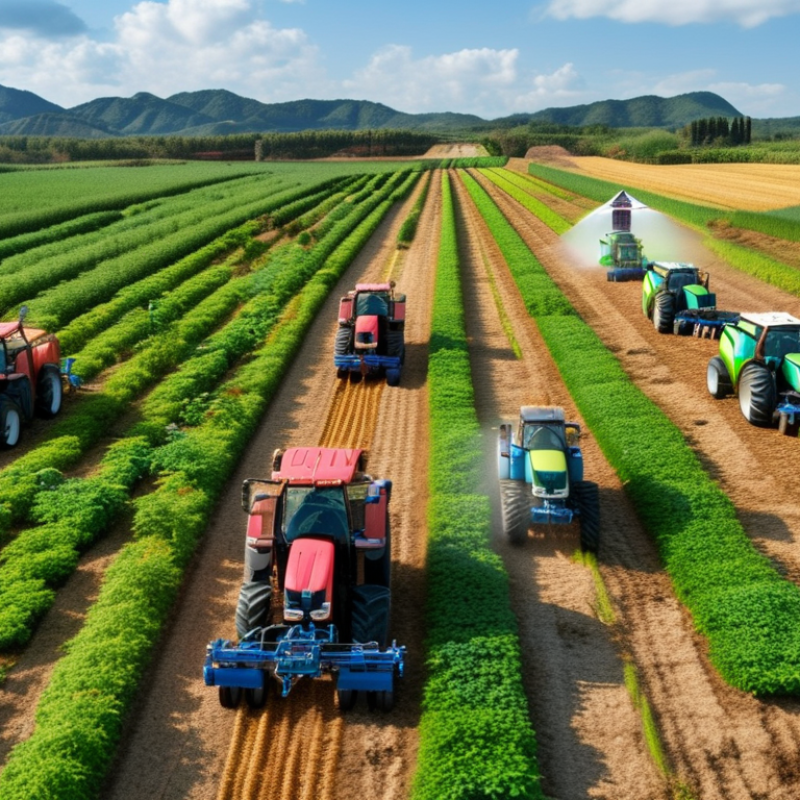
China’s agriculture automation export market now covers ten practical areas: autonomous tractors, precision seeders, field robots, crop-monitoring drones, smart irrigation, greenhouse controls, robotic transplanting, harvesting equipment, sorting systems, and automated milking. These systems combine sensors, navigation, software, and mechanical tools. Export buyers often choose modular equipment because farms differ in soil, crops, labor costs, and climate. From field experience, simple interfaces and accessible spare parts often matter more than impressive specifications.
Tips: Check local certification, voltage, wireless rules, and data requirements before ordering. Request field videos from similar crops. Test one production line first. Confirm operator training, maintenance support, and replacement-part lead times. A low purchase price can become expensive when repairs cross borders.
Chinese manufacturers are improving customization for overseas farms, but performance is not identical everywhere. A navigation system tested on flat farmland may struggle on steep plots or weak networks. Harvesting robots can also need crop-specific adjustments. Buyers should compare measured output, water savings, labor reduction, and downtime, not only automation level. Documentation in the local language builds trust. So does a clear warranty. Some export projects still underestimate installation and worker training. That deserves honest review.
The Ten Main Types of Chinese Agricultural Automation
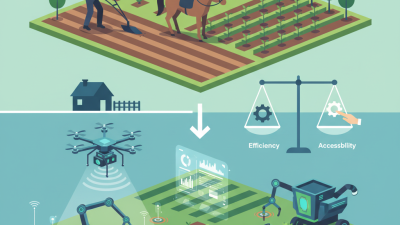
China’s agricultural automation market is moving from single machines toward connected field systems. In 2023, China’s Ministry of Agriculture and Rural Affairs reported that major crop mechanization exceeded 74%. The FAO’s 2022 State of Food and Agriculture also linked automation with higher productivity, while warning about unequal access.
The ten main types are autonomous tractors, precision seeders, transplanting machines, agricultural drones, and robotic harvesters. They also include automated irrigation and fertigation systems, greenhouse climate controls, machine-vision sorting, livestock feeding and milking equipment, and automated storage systems.
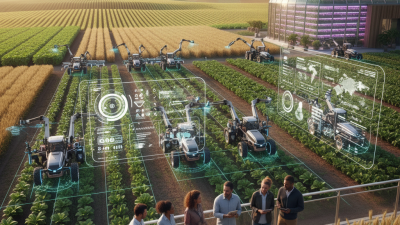
Farm management platforms connect these tools through sensors, satellite positioning, and cloud dashboards. Small farms may prefer compact machines. Large farms often need fleet coordination. That difference matters.
Chinese suppliers commonly offer configurable equipment for rice, vegetables, orchards, and protected cultivation. Global buyers should test soil conditions, crop spacing, language support, spare parts, and local safety compliance. A camera can miss fruit under harsh glare. A drone may lose accuracy in strong wind. No system is perfect. The FAO report noted that automation can also exclude smaller producers when investment and training remain expensive. Buyers should therefore compare total operating cost, technician response time, data ownership, and integration with existing machinery. A low purchase price can hide years of maintenance.
How These Automation Types Support the Farm Production Cycle
China’s agriculture automation supports nearly every stage of the farm production cycle. Soil sensors measure moisture, temperature, and nutrient conditions before planting begins. Weather stations track rainfall, wind, and frost risks. These readings help growers plan more accurately, although field data can still be incomplete.
Automated seeders place seeds at controlled depths and distances. Transplanting machines reduce labor during vegetable and rice production. Smart irrigation systems adjust water delivery by soil conditions. Greenhouse climate controls manage ventilation, heating, humidity, and light. Better control matters. Yet poor calibration may waste water or stress young plants.
During crop growth, robotic weeders reduce manual cultivation work. Precision sprayers apply treatments to targeted areas, limiting unnecessary coverage. Harvesting machines support faster collection when crops reach suitable maturity. Sorting and packing equipment then grades produce by size, weight, and visible quality. This improves consistency for export handling. However, machines may struggle with uneven fields, fragile crops, or sudden weather changes. Global buyers should check spare parts, operator training, language support, and local maintenance access. A practical trial on one crop is often wiser than immediate full-farm adoption.
How Global Buyers Can Compare Features, Costs, and Suppliers
China Top 10 Agriculture Automation Types for Global Buyers
Global buyers can compare ten major automation types: autonomous tractors, robotic harvesters, precision seeders, smart sprayers, irrigation controllers, greenhouse climate systems, robotic milking, crop sorting, packing robots, and agricultural drones. Each solves a different labor or accuracy problem. A buyer should match the machine to crop type, field size, terrain, and local service capacity. A greenhouse controller may save energy, while a field robot may reduce harvesting labor.
Compare practical features, not impressive brochures. Check operating width, battery or fuel use, navigation accuracy, sensor protection, software language, and data export options. Ask for test results from similar soil and weather conditions. Request clear figures for installation, training, spare parts, maintenance, and software fees. A low purchase price can become expensive after one difficult season. It happens.
Supplier evaluation needs equal attention. Review manufacturing records, quality certifications, export documents, warranty terms, and response times. Ask whether technicians can support your region remotely and on site. Inspect a working installation through a live video call or independent visit. Avoid accepting performance claims without measurable conditions. For example, “high efficiency” means little without acreage, crop, speed, and error rates. Some suppliers may offer flexible customization, but excessive changes can delay delivery and complicate repairs. A careful comparison should include a three-year ownership estimate, local compliance checks, operator training, and a realistic backup plan.
China Top 10 Agriculture Automation Types for Global Buyers
How global buyers can compare features, costs, and supplier capabilities
How to read this chart: The bars show indicative installed-equipment cost ranges in thousands of US dollars for common commercial farming projects. Actual quotations depend on farm scale, crop type, local labor costs, infrastructure, software integration, installation, and after-sales support. Building construction, land, taxes, and financing are excluded.
Feature comparison
Check sensor accuracy, control functions, connectivity, data export, system compatibility, and the ability to operate in local languages.
Cost comparison
Compare total installed cost, energy consumption, consumables, maintenance intervals, spare-parts availability, and expected payback period.
Supplier comparison
Evaluate project references, testing standards, customization capability, commissioning support, warranty terms, training, and response time.
Buyer benchmark: indicative 2024–2025 commercial project ranges for equipment categories commonly considered in China-to-global agricultural automation sourcing. Values are not company or brand quotations.
How to Select, Integrate, and Scale Agricultural Automation Systems
China’s top ten agricultural automation types include autonomous tractors, robotic harvesters, machine vision, field drones, RTK guidance, variable-rate applicators, automated irrigation, milking systems, feeding robots, and greenhouse climate controls. Selection should begin with the farm’s real bottleneck, not a product catalogue. OECD-FAO Agricultural Outlook 2024-2033 projects agricultural and fish production to grow about 1.1% annually, mainly through productivity gains. That pressure makes practical automation important.
Measure field size, crop spacing, labor hours, connectivity, and maintenance access before purchasing. A camera-based sorting line may perform well in a packing house but fail under dust, glare, or irregular produce. Request local trials and inspect failure records. Ask whether operators can recalibrate sensors without overseas support. Small details decide uptime.
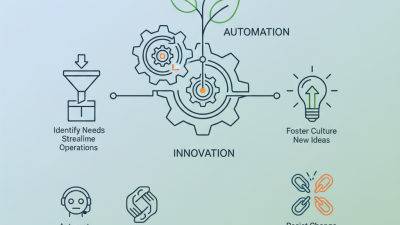
Integrate systems through shared data formats, reliable connectivity, and clear safety controls. Start with one greenhouse zone or one harvesting route. Pilot small. Then compare labor savings, yield quality, downtime, energy use, and payback against the original baseline. FAO’s State of Food and Agriculture 2022 warns that automation benefits are uneven, especially where capital, skills, and rural infrastructure are limited. Scaling too quickly can create expensive islands of technology. A hybrid workflow may be better: machines handle repetitive movement, while trained workers manage exceptions. Imperfect data remains a problem. Clean field records before adding more sensors. A scalable system should also support manual operation during network outages, harvest peaks, and equipment faults.