China Top Agriculture Automation Solutions for Global Buyers?
Agriculture automation is transforming the farming landscape worldwide. According to a report by the Food and Agriculture Organization, automation in agriculture can improve productivity by up to 30%. This significant impact showcases the urgency for global buyers to consider investing in automation solutions.
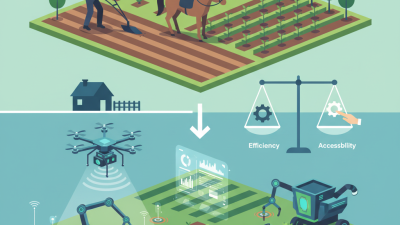
Emerging technologies, such as precision farming and robotics, are leading this change. Data from the International Society of Precision Agriculture indicates that these technologies can reduce resource usage by 20% while maintaining output levels. However, challenges remain. Not all regions have equal access to these innovative tools, leading to gaps in efficiency.
The need for tailored solutions is growing. Buyers must navigate a complex market filled with various options. While many companies promise efficiency, not all deliver as expected. Research shows that a thoughtful consideration of local conditions is crucial when selecting automation technologies. Integrating agriculture automation offers great potential, but it must be approached with careful analysis and planning.
Overview of China's Agricultural Automation Industry
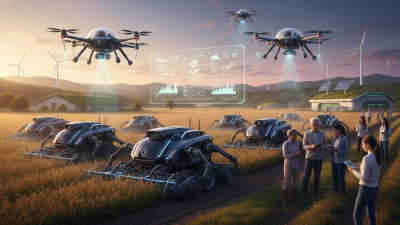
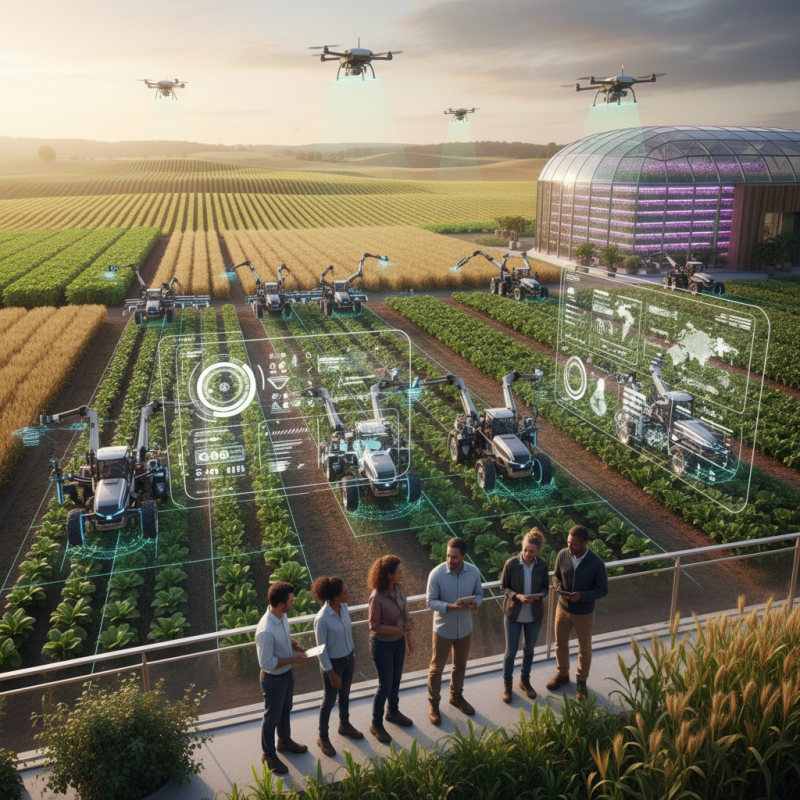
China's agricultural automation industry has evolved rapidly in recent years. Many farmers are adopting advanced technologies to boost productivity. Automation solutions include precision farming tools, drones, and automated irrigation systems. These innovations help farmers monitor crops with precision and reduce labor costs.
However, challenges remain. The integration of technology into traditional farming practices is not always seamless. Some farmers face training barriers and lack familiarity with new tools. This can hinder smooth adoption and limit effectiveness. Furthermore, the financial investment required for these technologies can be substantial, deterring smaller farms from participating.
Despite these obstacles, the potential benefits are significant. Automated solutions can lead to higher yields and more sustainable practices. As the global demand for food increases, Chinese agricultural automation has a critical role. Continued collaboration between tech developers and farming communities is essential for overcoming challenges and maximizing advantages.
China Top Agriculture Automation Solutions for Global Buyers
| Automation Solution |
Type |
Features |
Target Crop |
Estimated Cost (USD) |
| Autonomous Tractors |
Machinery |
GPS-guided, self-driving capabilities |
Cereals, Vegetables |
$50,000 - $100,000 |
| Drone Sprayers |
Aerial Equipment |
Pesticide and fertilizer application |
Fruits, Grains |
$10,000 - $30,000 |
| Automated Irrigation Systems |
Irrigation |
Smart sensors, remote monitoring |
Vegetables, Orchards |
$5,000 - $15,000 |
| Harvesting Robots |
Robotics |
AI-powered, precision cutting |
Fruits, Berries |
$100,000 - $200,000 |
| Livestock Monitoring Systems |
Monitoring |
Real-time health and behavior tracking |
Cattle, Poultry |
$2,000 - $5,000 |
Key Technologies Driving Agricultural Automation in China
China’s agricultural sector is rapidly transforming through automation technologies. Recent studies show that the market for agricultural automation solutions in China is projected to grow significantly, possibly reaching USD 15 billion by 2025. Key technologies driving this change include precision agriculture, robotics, and artificial intelligence.
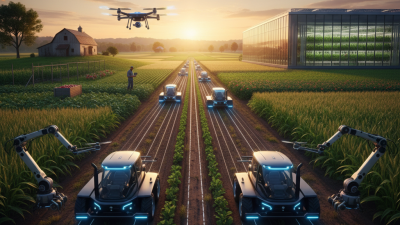
Precision agriculture empowers farmers to optimize crop yields through data analytics. Sensors in fields collect real-time data on soil health and crop conditions. This data guides decisions on irrigation and fertilization, ultimately leading to better resource management. Robotics is another crucial element, with machines now capable of planting, harvesting, and even weeding without human intervention. According to a report by the China Agricultural Machinery Industry Association, the adoption of robots could reduce labor costs by over 30%.
However, the path to full automation is not without challenges. Many smallholder farmers may struggle to adopt these technologies. They often lack the financial means and technical know-how. Infrastructure and internet connectivity are also barriers in rural areas. Addressing these issues is essential for maximizing the benefits of agricultural automation. The balance between technological advancement and accessibility remains a key area for further reflection and improvement.
Leading Companies in China's Agriculture Automation Market
China's agriculture automation market is undergoing rapid transformation. Numerous companies are developing innovative technologies to enhance efficiency and productivity. The market is characterized by a diverse range of solutions. From automated planting to advanced irrigation systems, these technologies aim to address labor shortages and increase crop yields.
Several key players in this sector focus on integrating cutting-edge technologies. They employ artificial intelligence and machine learning to analyze data, which helps in making informed agricultural decisions. Drones and robotic systems are becoming increasingly common. While these advancements offer great potential, the transition is not without challenges. Farmers may struggle with the initial costs and learning curves associated with new technologies.
Many companies are also prioritizing sustainability in their automation solutions. Sustainable farming practices can lead to reduced environmental impact and increased food security. However, the effectiveness of these solutions often depends on local conditions and practices. Collaboration among stakeholders is essential for overcoming obstacles and achieving desired results. Continuous improvement and adaptation are necessary in this evolving landscape.
Global Trends Influencing Agricultural Automation Solutions
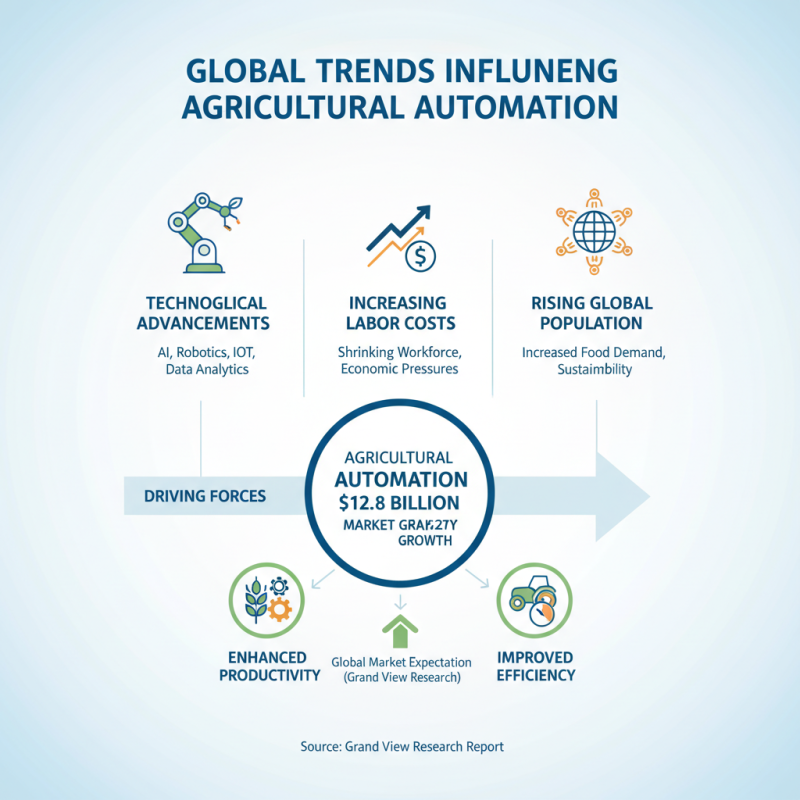
Agricultural automation is rapidly evolving. According to a report by Grand View Research, the global agricultural automation market is expected to reach $12.8 billion by 2027. This growth is driven by a combination of technological advancements, increasing labor costs, and a rising global population. The shift towards automation aims to enhance productivity and efficiency on farms worldwide.
Data from the Food and Agriculture Organization reveals that labor shortages in agriculture are becoming a pressing issue. As young people move to urban areas, the aging workforce in rural regions leads to gaps in farm operations. Automation solutions, such as robotics and AI, can fill these voids. However, investment in these technologies requires careful consideration of the local context. Not every region has the infrastructure or resources to support these innovations effectively.
Farmers are also grappling with the challenge of integrating technology into their existing systems. A recent survey indicated that 47% of farmers expressed concerns about the cost of new technologies. Additionally, the lack of training and support remains a hurdle. Many are unsure whether the benefits will outweigh the investments. Balancing progress with practicality is key to adopting agricultural automation successfully.
Challenges and Opportunities for International Buyers in China
China's agriculture automation sector presents an array of challenges and opportunities for international buyers. Rapid technological advancements have propelled the growth of smart farming solutions. According to a report by MarketsandMarkets, the global market for agriculture automation is expected to reach $16 billion by 2025. However, navigating the Chinese market can be complex for foreign buyers.
One significant challenge is the language barrier. Many manufacturers do not have English-speaking staff. This can lead to miscommunication regarding product specifications or support services. Additionally, quality control varies greatly among suppliers. Understanding the local landscape is crucial for ensuring reliability in purchases and partnerships.
**Tip:** Engage local experts. They can provide invaluable insights into supplier reliability and market trends.
On the other hand, opportunities abound in the form of innovative products. China leads in developing drone technology for crop monitoring. Based on a survey by the China Agricultural University, over 60% of firms are investing in automation research. Buyers must, however, remain cautious. Balancing technology adoption with traditional practices can yield better results.
**Tip:** Start with pilot projects to gauge effectiveness. This mitigates risk and helps in making informed decisions.