China Best Automation Solutions for Global Buyers
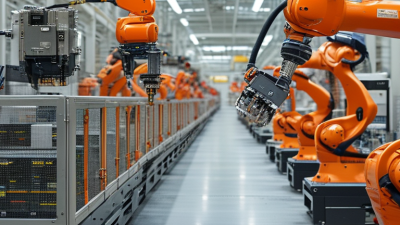
China has become a practical source of automation solutions for global buyers seeking efficiency, consistency, and scalable production. Its manufacturing ecosystem connects robotics suppliers, control-system engineers, machine builders, and component manufacturers within a broad industrial network. This structure can shorten development cycles and support customized equipment for packaging, electronics, automotive, food processing, and logistics.
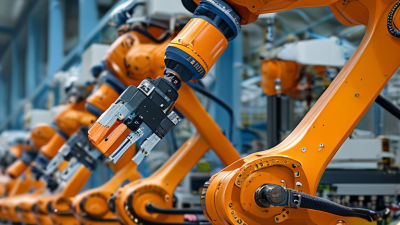
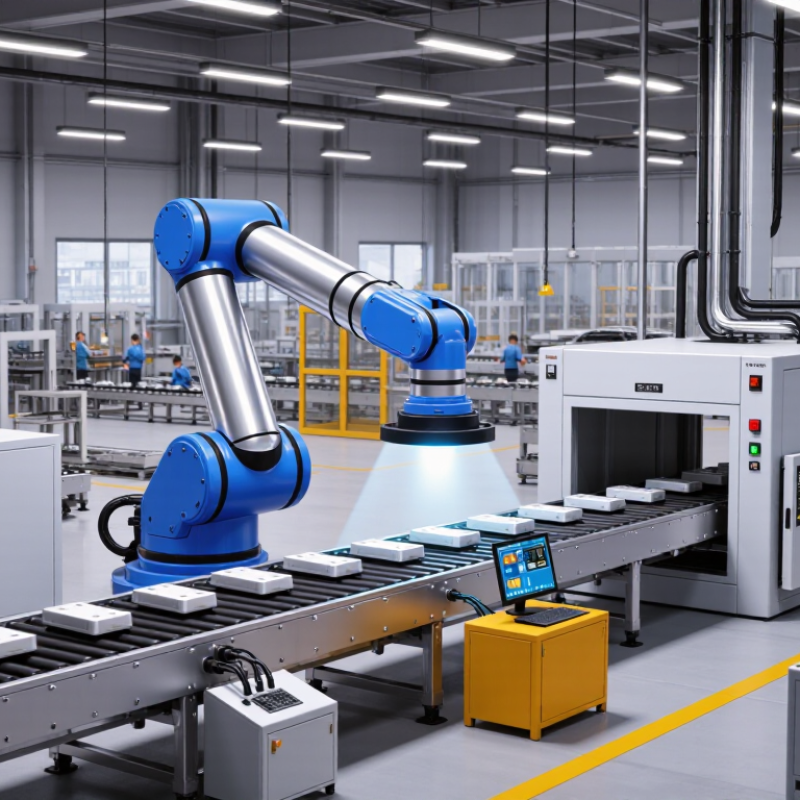
A reliable solution begins with the production problem, not the equipment catalog. Buyers should examine cycle time, product variation, floor space, labor conditions, and maintenance access. On a factory floor, a robotic arm may load parts every twelve seconds, while a vision camera checks surface defects under controlled lighting. These details matter. So does the software behind them. Experienced suppliers can explain PLC brands, safety functions, data connections, spare parts, and operator training in clear terms.
No system is perfect.
The strongest China-based automation solutions usually come from suppliers with documented projects, test records, transparent specifications, and responsive technical support. Factory acceptance testing, remote monitoring, installation planning, and local service partners can reduce operational risk. Buyers should also verify quality systems, electrical standards, cybersecurity practices, and import requirements for their destination market. A low quotation may appear attractive, yet hidden integration work can change the final cost. That lesson is easy to overlook. Careful comparison, pilot testing, and direct communication create better decisions. This guide explores how global buyers can evaluate Chinese automation partners, compare technical capabilities, and build dependable production systems without treating price as the only measure of value.
Understanding China’s Automation Solutions Industry
China Best Automation Solutions for Global Buyers
China’s automation solutions industry has moved beyond low-cost equipment. According to the International Federation of Robotics’ World Robotics 2024 report, China installed 276,288 industrial robots in 2023. That represented about 51% of global installations. The same report recorded more than 1.7 million robots operating in Chinese factories. These figures show strong manufacturing depth, but scale alone does not guarantee a suitable solution.
Global buyers should evaluate complete systems, not isolated machines. A practical line may combine programmable controllers, servo drives, machine vision, sensors, and production traceability. Ask for cycle-time evidence, fault records, spare-parts plans, and factory acceptance testing. A 0.5-second improvement means little if operators cannot maintain the equipment. Integration quality often decides the real return.
This industry still has weaknesses. Documentation can be uneven. Software interfaces may require careful translation and training. The International Federation of Robotics also reported that China’s robot density reached 470 robots per 10,000 manufacturing employees in 2023, placing it among the world’s most automated markets. Buyers should verify electrical standards, cybersecurity controls, safety functions, and local service capacity before ordering. Independent testing helps. So does visiting a working production line, not only a showroom. A cheaper proposal can become expensive when commissioning takes weeks longer than planned.
Key Types of Automation Systems Available in China
China offers several automation system types for global buyers, from robotic workcells to complete production control platforms. The International Federation of Robotics reported 276,288 industrial robot installations in China during 2023. Its World Robotics 2024 report also recorded an operating stock of about 1.755 million units.
Robotic cells suit welding, palletizing, assembly, and machine tending. Collaborative robots can support smaller lines, although safety assessment remains essential.
Machine vision adds inspection at the conveyor level, detecting missing parts, surface marks, or incorrect labels.
PLC and SCADA systems coordinate sensors, motors, alarms, and production data. For larger factories, MES software links shop-floor actions with scheduling and traceability. AGV and AMR systems move bins between storage and workstations, reducing manual transport.
The right system depends on cycle time, product variation, floor layout, and local maintenance skills. China’s Ministry of Industry and Information Technology reported manufacturing robot density above 392 units per 10,000 workers in 2022.
That figure shows strong adoption, but adoption alone does not guarantee reliable output. Integration is often the weak point. A fast robot may still wait beside a slow inspection station. Global buyers should request energy data, spare-parts plans, interface standards, and acceptance tests before shipment. Cheap integration can become expensive rework. Even mature projects need revision after real production begins.
How to Evaluate Chinese Automation Suppliers
China Best Automation Solutions for Global Buyers
Choosing a Chinese automation supplier starts with evidence, not factory photographs. Define the process, cycle time, product range, and acceptable defect rate before requesting quotations.
The International Federation of Robotics reported 541,302 industrial robots installed worldwide in 2023. China accounted for 276,288 installations.
This scale shows manufacturing depth, not automatic suitability. Ask for similar project records. Show the raw test data.
Evaluate the engineering team through a documented Factory Acceptance Test. Check repeatability, changeover time, alarm recovery, and safety interlocks. Request drawings, software ownership terms, spare-parts lists, and a realistic response-time commitment.
ISO Survey 2023 recorded more than 1.2 million ISO 9001 certificates worldwide. Certification helps, but it does not replace process audits.
Visit the production floor if possible. Observe wiring, labeling, cleanliness, and calibration records.
Compare total cost, not only the initial quotation. Include installation, training, shipping, maintenance, energy use, and local technical support. Require sample acceptance criteria with measurable results.
A low quote can still be useful—as a warning. I would also test communication during a small paid engineering task. Slow replies often become expensive downtime.
One uncomfortable question remains: can the supplier maintain the system after the final payment?
Ask for customer references, service statistics, and a clear escalation path before approving the purchase.
Global Purchasing, Installation, and After-Sales Support
China Best Automation Solutions for Global Buyers
Global automation purchasing requires more than a competitive quotation. The International Federation of Robotics reported 541,302 industrial robots installed worldwide in 2023. That scale makes supplier coordination critical. Buyers should verify electrical standards, safety documents, software compatibility, and spare-parts availability before payment. A clear purchase contract should define factory acceptance testing, shipping terms, installation duties, and response times. Small omissions become expensive delays.
Installation must be planned around the real production floor. Engineers should check foundation strength, power capacity, network access, and operator movement before equipment arrives. Remote commissioning can reduce travel time, but it cannot replace every on-site inspection. Local technicians need practical training, not only translated manuals. A signed site acceptance report should record cycle time, accuracy, safety functions, and unresolved issues. The International Organization for Standardization emphasizes documented processes and continual improvement through ISO 9001 principles.
Tips: Request a complete bill of materials and two years of recommended spares. Set a written after-sales service level, including response time, remote diagnosis, and escalation procedures. Keep videos of installation tests and operator training. A perfect handover is unlikely. Some assumptions will be wrong. Review them after the first thirty production days, when heat, dust, and operator habits reveal problems that factory testing may miss. A reliable supplier stays involved after delivery, not only until the final invoice.