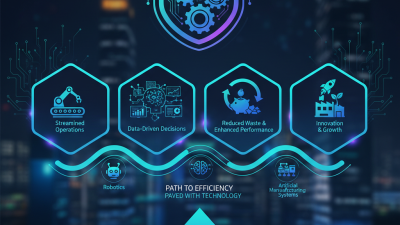
Choosing industry automation solutions is rarely a simple equipment purchase. It affects production speed, worker safety, data quality, maintenance costs, and future expansion. A conveyor sensor may seem minor, yet one unreliable signal can stop an entire line for hours. The right decision begins with the real operating environment, not an impressive sales presentation.
This guide introduces seven practical tips for evaluating automation options with greater confidence. It examines process requirements, system compatibility, supplier experience, training, cybersecurity, maintenance support, and total ownership costs. These factors matter whether you are upgrading a packaging line or connecting several production cells. Ask precise questions. Request realistic demonstrations. Review performance evidence from similar facilities. A polished factory tour is useful, but it cannot replace measurable results.
Experience also teaches an uncomfortable lesson: no selection method is perfect. Some forecasts fail. Some integration costs appear late. A solution that performs well in one plant may struggle in another because of dust, temperature, layout, or staff capability. That is why responsible evaluation includes trials, risk reviews, and honest conversations with operators and technicians. Check documentation carefully. Test recovery procedures. Confirm who responds when a controller fails at 2 a.m.
Reliable industry automation solutions should support people, not merely replace tasks. They must be practical to operate, secure to maintain, and flexible enough for changing demand. This introduction sets the direction for seven tips that can help decision-makers compare options clearly, challenge assumptions, and build a more dependable automation strategy.

Before choosing an industry automation solution, define the work it must improve. A vague goal such as “increase efficiency” is difficult to measure. Specify targets like reducing packaging errors by 20% or cutting inspection time from ten minutes to six. Use production records, operator interviews, and maintenance reports as evidence.
Operational requirements should describe the real working environment. Note production volume, shift patterns, material variations, temperature, dust, and available floor space. Identify required response times and acceptable downtime. Include safety procedures, data access rules, and staff training needs. In my experience, solutions often fail because teams measure machine speed but ignore changeover time. That mistake is common.
Speak with operators before finalizing specifications. They understand awkward loading angles, repeated alarms, and small delays that reports miss. Test the proposed workflow with representative materials, not ideal samples. Ask vendors for performance data, service conditions, integration limits, and failure-response procedures. Independent testing is valuable, although it may slow the selection process. That delay can prevent expensive redesigns. Leave room for human judgment. Automation should support reliable work, not force employees into unsafe or impractical routines. After a pilot, compare actual results with the original goals and revise the requirements where necessary.

Tip 1: Define the production problem before comparing vendors. Measure downtime, changeover minutes, defect rates, and labor hours.
Tip 2: Compare technologies by fit, not novelty. A vision system may outperform robotics when defects cause the largest losses. The right tool matters.
Tip 3: Request comparable total-cost models. Include licenses, sensors, integration, training, maintenance, cybersecurity, and planned downtime.
Deloitte’s 2023 Smart Manufacturing Survey found that 86% of executives expect smart manufacturing to drive competitiveness within three years. Yet, many projects still underestimate integration work.
Tip 4: Test interoperability with your existing controls and data systems. Ask for a live demonstration using your actual production data.
Tip 5: Examine measurable performance evidence.
The International Federation of Robotics reported 541,302 industrial robots were installed worldwide in 2023, but adoption alone does not guarantee better output.
Tip 6: Evaluate implementation support in practical terms. Check response times, local technicians, documentation quality, and operator training. Ask who fixes problems at 2 a.m.
Tip 7: Start with a limited pilot and define exit criteria. Compare promised cycle-time gains with real results after eight weeks.
I once treated a polished demonstration as proof of readiness. That was a mistake. Factory conditions are less forgiving. Independent references, transparent assumptions, and a staged contract provide stronger protection than optimistic presentations. Some vendors may resist detailed cost disclosure. Treat that resistance as useful information.
Selecting an industrial automation solution requires more than speed, uptime, or an attractive dashboard. Verify performance with site-based evidence. Request cycle-time records, alarm history, maintenance logs, and results from a realistic pilot. A laboratory demonstration can look perfect. Production rarely does. Compare measured availability with the supplier’s stated figure, and inspect how performance changes during network loss or sensor failure.
Tip 1
Test safety before convenience.
Check emergency stops, safe-state behavior, guarding, and restart controls. The International Labour Organization reported 2.93 million work-related deaths and 395 million non-fatal injuries annually worldwide. Automation cannot remove every hazard. Review risk assessments against ISO 12100 and functional-safety requirements such as ISO 13849. Ask operators to challenge the design. They notice awkward hazards engineers sometimes miss.
Tip 2
Treat security and compliance as operating requirements.
NIST SP 800-82 recommends network segmentation, least privilege, monitoring, and controlled remote access for industrial control systems. Require asset inventories, patch procedures, vulnerability disclosure terms, and offline recovery tests. The 2024 Data Breach Investigations Report found that vulnerability exploitation accounted for 14% of breaches, nearly triple the previous year. That figure is sobering. Verify encryption, identity controls, audit trails, and incident response against IEC 62443 principles. Map every claim to applicable machinery, electrical, data-protection, and sector regulations. Do not accept a certificate without checking its scope, expiry, and testing conditions.
7 Tips to Choose Industry Automation Solutions?
Choose automation around the work, not the sales demonstration. Map one production cycle, including handoffs, delays, quality checks, and manual recovery steps. Define measurable targets for output, safety, energy use, and downtime. Test a small deployment before expanding across the plant. Keep operators involved during design. Their practical warnings often reveal problems that spreadsheets miss. Check integration with existing equipment, data systems, and safety controls. Require clear documentation and open data access. Deloitte’s 2024 Global Smart Manufacturing Survey found that 86% of manufacturers view smart manufacturing as important for competitiveness. That pressure can encourage rushed decisions. Resist it.
Plan workforce training before installation day. Use short, task-based lessons beside the equipment, then repeat them after real faults occur. The World Economic Forum’s Future of Jobs Report 2023 estimates that 44% of workers’ skills may be disrupted within five years. Training cannot be a single workshop. Build a maintenance plan with spare-part levels, inspection intervals, remote diagnostics, and named responsibilities. The U.S. Department of Energy reports that predictive maintenance can reduce maintenance costs by 25% to 30% and downtime by 35% to 45%. Still, sensors do not replace judgment. Review alarm quality monthly. Schedule software updates, cybersecurity testing, and operator retraining. Keep an upgrade budget and documented interfaces for future expansion. Avoid locking the plant into one architecture. That mistake is expensive. Expect the plan to change.
| Tip | Decision Dimension | Practical Data Point | Recommended Action | Evidence to Request | Main Risk if Overlooked |
|---|---|---|---|---|---|
| 1. Define the business case first | Target process, baseline performance, and expected return | Measure current throughput, scrap, unplanned downtime, labor hours, and changeover time before selecting equipment. | Create a baseline dataset covering at least one representative production period and define measurable acceptance criteria. | Process map, baseline KPIs, cost model, payback assumptions, and a documented return-on-investment formula. | Buying technology that improves automation activity but does not improve the plant’s limiting constraint. |
| 2. Plan deployment in phases | Pilot scope, integration, commissioning, and scale-up | A phased approach normally separates requirements, design, factory testing, site commissioning, and production ramp-up. | Start with one representative cell or process, use stage-gate reviews, and define rollback procedures before wider deployment. | Project schedule, interface list, factory acceptance test plan, site acceptance test plan, and cutover checklist. | Production disruption, uncontrolled scope growth, and difficult troubleshooting during plant-wide rollout. |
| 3. Check interoperability and data architecture | Controls, software, networks, data ownership, and system interfaces | Industrial systems commonly require connections among field devices, controllers, supervisory systems, manufacturing operations, and business applications. | Document supported protocols, data tags, timestamps, user roles, cybersecurity zones, and export formats before procurement. | Network architecture, interface control document, data dictionary, API or protocol documentation, and cybersecurity requirements. | Data silos, expensive custom interfaces, inconsistent records, and limited visibility across production operations. |
| 4. Build a workforce training plan | Operator, technician, engineer, and supervisor capability | Training should cover normal operation, alarms, safe isolation, changeovers, basic diagnostics, and escalation procedures. | Use role-based training, hands-on practice, documented competence checks, and refresher training after software or process changes. | Training matrix, work instructions, simulation or test environment, competency records, and multilingual support where required. | Low adoption, unsafe workarounds, longer recovery time, and dependence on a small number of specialists. |
| 5. Evaluate maintenance and spare-parts support | Reliability, diagnostics, serviceability, and lifecycle support | Maintenance planning should address preventive, predictive, and corrective tasks, along with critical spare parts and expected replacement intervals. | Prioritize components by criticality, record mean time between failures and mean time to repair, and verify local service capability. | Parts list, obsolescence policy, diagnostic functions, service-level terms, maintenance schedule, and troubleshooting guides. | Extended downtime, unavailable replacement parts, and maintenance costs that exceed the original investment assumptions. |
| 6. Verify safety and cybersecurity | Functional safety, machine guarding, access control, and network resilience | Safety requirements should be based on a documented risk assessment; industrial networks should be segmented and access should follow least-privilege principles. | Review applicable requirements such as ISO 12100, ISO 13849, IEC 61508, and industrial cybersecurity guidance before final design approval. | Risk assessment, safety validation report, access-control model, backup and recovery plan, patching process, and incident response procedure. | Worker injury, unauthorized changes, production interruption, or inability to recover safely from a control-system incident. |
| 7. Design for future upgrades | Scalability, modularity, software lifecycle, and technology obsolescence | Future-ready systems use documented interfaces, modular hardware and software, version control, tested backups, and upgrade procedures. | Include expansion capacity, change-management rules, compatibility testing, data portability, and a lifecycle review at defined intervals. | Product lifecycle statement, upgrade roadmap, backward-compatibility policy, source-code or configuration backup terms, and migration plan. | Vendor lock-in, expensive redesigns, unsupported software, and inability to connect future equipment or analytics tools. |