What is a Vehicle Power Inverter and How Does It Work?
A vehicle power inverter is an essential device for anyone who wants to use standard electrical appliances while on the road. This device converts the direct current (DC) from a car battery into alternating current (AC), allowing you to power various gadgets like laptops and small kitchen appliances. Understanding how a vehicle power inverter works can greatly enhance your travel experience.
The inverter connects directly to your vehicle’s battery. It transforms the battery's energy into a usable form. This conversion process is quite complex. However, the inverter simplifies it, enabling you to access power wherever you go. Picture yourself charging your phone or running a mini fridge during a road trip—it's incredibly convenient.
Yet, using a vehicle power inverter does have its challenges. Not all inverters are created equal. Some may provide insufficient power for larger devices. Poor quality inverters can lead to overheating or damage to your equipment. This is where careful selection becomes crucial. Investing time to research the right inverter for your needs can save you from frustrating situations on the road.
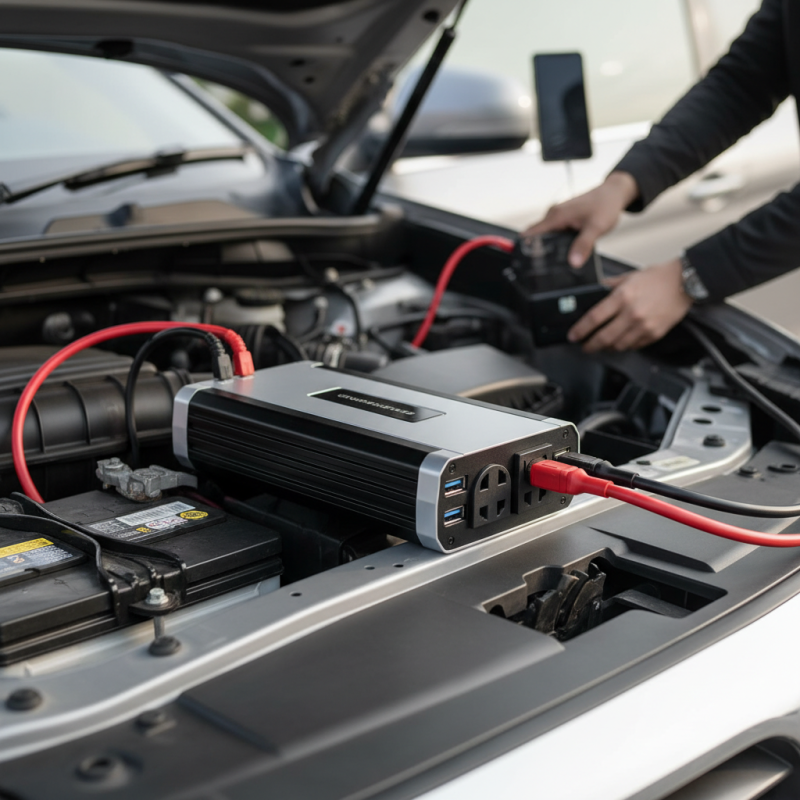
Definition of a Vehicle Power Inverter
A vehicle power inverter is a device that converts DC power from a vehicle's battery into AC power. This allows users to power household electronics while on the go. It is especially useful for camping, tailgating, or emergency situations. Imagine charging your laptop or running a small fridge in the middle of nowhere. This can be a game changer for outdoor enthusiasts.
The inverter comes with various power ratings. Smaller models might handle just a few hundred watts. Larger ones can provide thousands of watts. Knowing your power needs is crucial. Using an inverter that does not meet these needs can lead to inefficiencies and unexpected shutdowns. Powering too many devices at once can strain the vehicle’s battery, leading to a dead engine.
While inverters serve important functions, they also have limitations. Not every device is compatible with every inverter. Some may produce a noisy output that can interfere with sensitive electronics. It’s essential to read the specifications carefully. Overloading the system can create safety risks, such as overheating or electrical fires. These issues remind us to reflect on our energy use habits, even in a mobile lifestyle.
Types of Vehicle Power Inverters
Vehicle power inverters are essential devices that convert DC battery power into AC power. This allows you to use standard household appliances while on the road. There are several types of vehicle power inverters designed for different needs.
Modified sine wave inverters are common. They provide a cheaper option for running basic electronics. However, they can cause issues with sensitive devices. Pure sine wave inverters offer cleaner power. They are ideal for delicate equipment like medical devices or high-end electronics. But they tend to be pricier.
Another type is the inverter charger, which combines an inverter with a battery charger. This is useful for RVs or boats that need to function off-grid. Yet, they can be complex to install. Costs can add up quickly. Each type has its own benefits and drawbacks, prompting careful consideration of your needs.
How Vehicle Power Inverters Operate
A vehicle power inverter converts DC power from a car's battery into AC power. This enables you to run various appliances and devices in your vehicle, such as laptops or small refrigerators. Typically, inverters can produce 300 to 2000 watts, depending on their design. The functionality primarily relies on transformers and electronic circuits to modify the voltage and current flow.
Vehicle power inverters operate based on a few key components. The inverter takes the direct current (DC) from the battery and transforms it into alternating current (AC). This process often involves switching devices that rapidly turn the current on and off. The frequency and duty cycle of this switching dictate the output characteristics. According to a 2022 industry report, about 10 million vehicles are now equipped with standard inverters, reflecting a surge in multi-use vehicles.
Tips: Always check the specifications of your inverter to ensure compatibility with your devices. Using an inverter with too low wattage may cause devices to malfunction. In cases where high power is needed, consider investing in a higher-capacity inverter. Make sure to install your inverter safely, securing all connections to avoid any potential hazards.
Power Output of Vehicle Inverters
This bar chart illustrates the number of inverter models available based on different power output capabilities. The models range from 100W to 1000W, depicting consumer choices in vehicle power inverters.
Applications of Vehicle Power Inverters
Vehicle power inverters are gaining popularity due to their versatility. These devices convert DC power from a vehicle’s battery into AC power. This process enables the use of various electrical equipment and devices while on the go.
One of the primary applications of vehicle power inverters is charging laptops. When traveling, staying connected is crucial. With an inverter, you can power your laptop for work or entertainment. The portability of this solution is appealing, but keep in mind that overloading the inverter can lead to performance issues.
Another common use is for power tools. Electric tools can be utilized in remote locations where access to standard outlets is unavailable. Imagine using a circular saw or a drill while camping. However, remember that not all power tools can run efficiently off a vehicle inverter. Consider the wattage requirements carefully.
Tips: Always check your device’s wattage before connecting it to the inverter. If unsure, it’s wise to consult your inverter's specifications. Maintaining the inverter is equally important for optimal performance. Clean it regularly and ensure it's well-ventilated to avoid overheating.
Benefits of Using a Vehicle Power Inverter
A vehicle power inverter converts DC power from a car’s battery into AC power. This allows you to use standard electrical devices on the go. It opens up possibilities like charging laptops or running small appliances during a road trip.
Utilizing a power inverter offers many benefits. It provides convenience, especially on long journeys. Imagine enjoying a hot coffee made from a portable maker while parked in a scenic spot. You can power devices essential for work or entertainment. It also helps in keeping your phone charged during camping trips. However, it’s important to remember the power limits. Exceeding them can drain your car battery quickly.
Another point worth considering is safety. Using a power inverter incorrectly can lead to overheating or even damage to your vehicle's electrical system. Ensure you have the right inverter for your needs. It’s vital to follow guidelines and consult manuals. Many users overlook these safety aspects, leading to unnecessary issues.

