Ultimate Tips for Choosing Robot Lithium Batteries?
Choosing the right robot lithium battery is crucial for optimal performance. The growth of the robotics industry emphasizes the need for effective battery solutions. According to a recent report by MarketsandMarkets, the lithium battery market for robotics is projected to reach $23.5 billion by 2027. This demand highlights the significance of selecting quality batteries.
The efficiency and longevity of a robot lithium battery can greatly impact a robot's functionality. Research indicates that proper battery selection can improve energy density by up to 30%. Factors such as charge cycles and discharge rates must be considered. A battery that fails to meet the specific needs of a robot can lead to diminished performance.
However, not all lithium batteries are created equal. Some manufacturers may prioritize cost over quality, leading to reliability issues. It's essential to analyze detailed specifications and user reviews. This approach can ensure that the battery selected will provide lasting power and reduce operational challenges. Careful consideration is vital for achieving the best results in robotic applications.
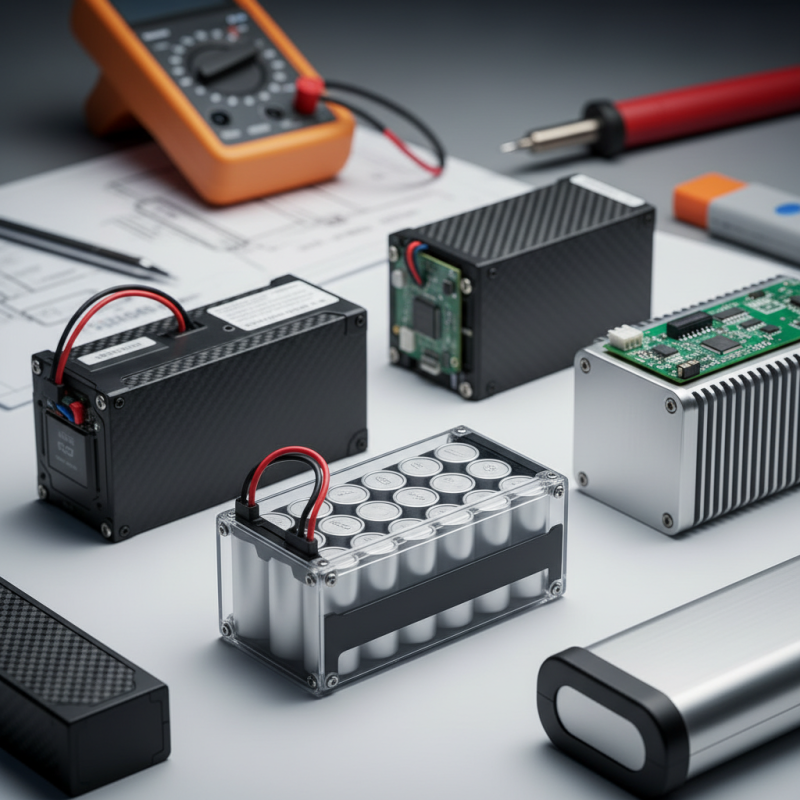
Understanding Lithium Batteries for Robots
Lithium batteries are crucial for robot performance. They offer a lightweight solution with high energy density. When selecting a lithium battery, it’s important to understand its specifications. Voltage, capacity, and charge cycles matter. These factors determine how long your robot will run before needing a recharge.
Battery chemistry is another area worth exploring. Different lithium compounds have unique characteristics. For instance, lithium iron phosphate batteries provide safety benefits but may have lower energy density. Users should note that not all batteries are equal in performance and longevity. A mismatch can lead to unexpected failures in your robot.
Charging systems are vital too. A good charger can prolong battery life. However, improper charging can damage the battery. Watch for signs of wear and tear. It’s crucial to monitor the battery’s health regularly. Reflecting on these aspects ensures better decision-making in battery selection. Consider both specific needs and potential pitfalls in your robot's energy source.
Factors to Consider When Choosing Robot Lithium Batteries
When choosing robot lithium batteries, several factors are essential. Battery capacity is critical. Look for the mAh rating. A higher capacity means longer run times. Industry reports show that robots typically require batteries with at least 2000 mAh for efficient performance.
Another important factor is weigh and size. Batteries should fit the robot's design without adding extra bulk. Balance is crucial for stability. A report from the Robotics Industry Association highlights that poor weight distribution can reduce efficiency by up to 30%.
Tip: Always check the discharge rate. A battery with a high discharge rate supports better performance under heavy loads. Additionally, consider the temperature range. Batteries need to function well in various environments. Extreme temperatures can affect lifespan and performance. While lithium batteries are robust, they're not infallible. Always be aware of your specific robot's requirements.
Comparing Different Types of Lithium Batteries for Robotics
When it comes to robotics, battery choice is crucial. Lithium batteries come in various types, each with distinct characteristics. For example, lithium-ion batteries offer high energy density. They are popular for many robotic applications. However, they may become unstable if improperly charged. Safety should always be a priority.
On the other hand, lithium polymer batteries are lightweight and flexible. This flexibility allows them to fit into compact spaces. They can deliver high discharge rates, which is often required in robotics. Yet, they need careful handling. Overcharging can lead to swelling or even fire hazards. Consider this risk when evaluating your options.
Finally, lithium iron phosphate batteries stand out for their thermal stability. They are less prone to thermal runaway, making them safer. However, they generally have a lower energy density compared to other types. Therefore, size and weight considerations play a significant role in your choice. Each type has its pros and cons. Reflect on your specific needs before making a decision.
Ultimate Tips for Choosing Robot Lithium Batteries
Safety Considerations When Using Lithium Batteries in Robots
When it comes to using lithium batteries in robots, safety is paramount. A study by the International Battery Association found that improper handling of lithium batteries can lead to thermal runaway, which may cause fires or explosions. The rate of incidents has increased by 12% over the past two years, highlighting the importance of strict safety protocols.
Tips for ensuring safety include always using a compatible charger. Mismatched chargers can increase the risk of overheating. Additionally, regularly inspecting batteries for any signs of damage such as bulging or leaks is vital. Reports indicate that 40% of battery failures are linked to physical damage.
Another essential point is to monitor battery temperature. A safe operating temperature generally ranges from 20°C to 60°C. Anything beyond this can be hazardous. Many users overlook this detail, which can lead to unsafe conditions. Always store lithium batteries in a cool, dry area to minimize risks. Remember, neglecting these basic safety measures can have serious consequences.
Maintenance Tips for Extending the Life of Lithium Batteries in Robots
When it comes to using lithium batteries in robots, proper maintenance is crucial. Regularly check the battery's voltage. Low levels can harm performance. Keeping a clean battery compartment helps too. Dust and debris can lead to overheating.
Storing batteries correctly is essential. Choose a cool, dry place. Avoid high temperatures. This can significantly shorten battery life. Cycle your batteries regularly to maintain capacity. A battery that sits unused may lose its efficiency.
Watch for signs of wear. Swelling or leakage is a red flag. These issues need immediate attention. Over time, batteries may not perform as well. Consider replacing them when their performance drops. It’s vital to keep a close eye on battery health. Regular checks prevent bigger problems later.
Ultimate Tips for Choosing Robot Lithium Batteries
| Feature | Details |
| Battery Type | Lithium Polymer (LiPo) |
| Voltage Rating | 3.7V (single cell) |
| Capacity | 1000mAh to 5000mAh |
| Discharge Rate | 10C to 30C |
| Cycle Life | 300 to 500 cycles |
| Weight | Varies (Between 50g to 300g) |
| Maintenance Tips | Avoid deep discharges, keep in cool area, regular checks |
| Charging Requirements | Use a compatible lithium battery charger |

