Top 10 Pneumatic Automation Solutions in China for Global Buyers?
Pneumatic automation is revolutionizing industries in China, providing efficient and reliable solutions for various applications. According to a recent report by Technavio, the pneumatic automation market is expected to grow by over $1.2 billion by 2025, driven by the increasing demand for automation in manufacturing processes. This growth reflects a wider shift towards automation technologies, essential for maintaining competitiveness in today’s global market.
Dr. Li Wei, a leading expert in pneumatic automation, emphasizes the importance of these innovations. He states, "The integration of pneumatic systems enhances productivity while reducing operational costs." This highlights not only the efficacy but also the strategic necessity of adopting pneumatic solutions.
However, potential buyers should critically evaluate the myriad options available. Understanding the specific needs of an operation is crucial. While pneumatic automation solutions offer numerous advantages, selecting the right technology for specific applications can be challenging. Consideration of factors such as compatibility and future scalability is essential for long-term success in this field.

Overview of Pneumatic Automation Solutions in China
Pneumatic automation solutions in China are gaining significant traction. These systems utilize compressed air to perform various operations efficiently. As of 2022, China's pneumatic market was estimated at over $10 billion. This shows a robust growth rate compared to previous years. The demand for automation in manufacturing is driving this trend. Many factories are adopting pneumatic systems to enhance productivity and reduce labor costs.
The industry features a variety of components like cylinders, valves, and actuators. According to a research report by MarketsandMarkets, the global pneumatic systems market is expected to grow at a CAGR of 6.3% from 2021 to 2026. Chinese manufacturers are leveraging this growth by providing innovative solutions to meet global standards. However, not all solutions are perfect. Some users report issues with compatibility and maintenance, highlighting the need for better integration and support.
Overall, China's pneumatic automation landscape continues to develop. The solutions available are diverse and tailored to specific needs across industries. Yet, potential buyers must consider challenges such as supply chain reliability and service quality. These factors could affect operational efficiency and long-term investment outcomes.
Key Players in China's Pneumatic Automation Market
China's pneumatic automation market is thriving, driven by the rise of manufacturing and competitive industries. This growth has paved the way for key players specializing in automation solutions. These firms are crucial to meeting the diverse needs of global buyers. They offer a range of products, from actuators to valves, emphasizing efficiency and reliability.
The companies at the forefront are leveraging technology to enhance performance. They focus on developing innovative solutions that streamline processes. With an emphasis on quality, these players ensure their offerings meet international standards. However, challenges persist in this rapidly evolving landscape. Some firms struggle with adapting to new technologies or maintaining consistent quality.
Collaboration is essential in this market. Partnerships between local firms and global leaders can drive innovation. Effective communication strategies are needed to overcome barriers in understanding consumer needs. As the market grows, the future of pneumatic automation in China remains promising, but it requires constant adaptation and reflection on best practices.
Innovative Technologies Driving Pneumatic Automation
Innovative technologies are shaping the future of pneumatic automation. China's advancements in this field demonstrate a commitment to efficiency and productivity. One key technology includes smart sensors. These devices enhance precision in controlling pneumatic systems. They collect real-time data, ensuring optimal performance.
Another noteworthy development is the integration of IoT. By connecting devices, operators can monitor performance remotely. This capability allows for timely maintenance, reducing downtime. However, this shift requires a new skill set for the workforce. Training programs must evolve alongside technology.
Innovation also brings challenges. The fast pace of change can overwhelm small businesses. Not every company can invest in the latest equipment. Additionally, cybersecurity concerns arise with increased connectivity. It’s essential to address these vulnerabilities proactively. Embracing new technologies in pneumatic automation is not just about adopting tools; it requires thoughtful consideration of impacts.
Applications of Pneumatic Automation in Various Industries
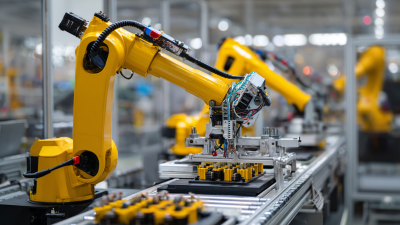
Pneumatic automation has widespread applications across various industries, improving efficiency and precision. In manufacturing, pneumatic systems streamline assembly lines by automating tasks like gripping and lifting. Compressors provide energy, driving actuators and valves for seamless operation. In the food industry, these systems assist in packaging and handling, ensuring safety and hygiene. Their ability to work in harsh conditions makes them invaluable.
In healthcare, pneumatic automation supports equipment like hospital beds and surgical tools. These systems enhance patient care by enabling precise control with minimal effort. However, challenges like maintenance and wear can affect performance over time. Organizations must account for these factors to sustain their systems.
It's crucial to choose the right components. Compatibility between parts influences efficiency. Regular checks can minimize downtime. Mistakes can lead to costly delays. Focus on training personnel in system operations. Empowering staff is key to maximizing the benefits of pneumatic automation. Overall, understanding these systems’ diverse applications will help industries harness their full potential.
Top 10 Pneumatic Automation Solutions in China for Global Buyers
Factors Global Buyers Should Consider When Sourcing
When sourcing pneumatic automation solutions in China, global buyers must weigh various factors. Quality assurance tops the list. Research indicates that about 30% of businesses report quality inconsistencies when sourcing from overseas markets. Buyers should actively seek certifications like ISO 9001, as these provide a level of guarantee for product reliability.
Cost efficiency is another crucial factor. While low prices are attractive, they may reveal hidden costs in maintenance or inefficiencies. A recent market analysis suggested that companies often underestimate total ownership costs, which include service, spare parts, and downtime. Understanding the total cost helps buyers make informed decisions.
Communication is vital throughout the sourcing process. Buyers frequently encounter language barriers and cultural differences that can lead to misunderstandings. Effective communication strategies can mitigate these risks. Suppliers' responsiveness to inquiries and issues should be evaluated thoroughly. This helps in establishing a strong partnership and ensuring smooth transactions. Ultimately, investing in these aspects enhances the procurement experience and reduces potential challenges.