Top 10 Industry Automation Solutions to Boost Efficiency?
In today’s fast-paced business environment, industry automation solutions hold transformative potential. Companies strive for greater efficiency and productivity. However, many face challenges in implementing these technologies effectively. The right automation tools can streamline processes, reduce human error, and enhance decision-making.
Understanding industry automation solutions is crucial. These systems employ advanced technologies such as AI and machine learning. They can optimize workflows and minimize waste. Organizations must choose solutions tailored to their specific needs. Not all tools work for every environment or sector. Therefore, careful analysis and planning are necessary.
The aim here is to explore the top 10 industry automation solutions that can significantly boost efficiency. Each option presents unique benefits and challenges. Businesses must weigh potential drawbacks and ensure reliable implementation. This analysis will empower leaders to make informed decisions that drive results.
Understanding the Basics of Industry Automation Solutions
Industry automation solutions are transforming modern business landscapes. These systems enhance productivity and ensure consistent quality. According to a report by McKinsey, adopting automation technologies can boost productivity by 20-30% in various sectors. The data highlights how industries are increasingly leveraging software and machinery to meet higher demands.
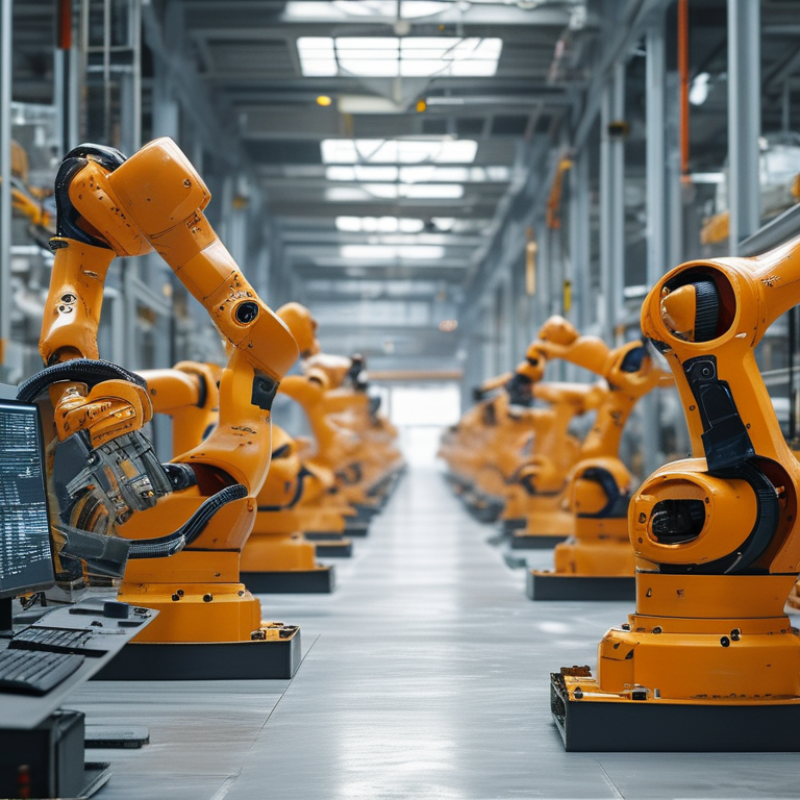
Automation impacts tasks ranging from manufacturing processes to supply chain management. For example, robotics in assembly lines reduce human error and speed up production cycles. This can significantly lower operational costs. The International Federation of Robotics states that global robot installations rose by 12% in recent years, indicating a clear trend toward industrial automation.
However, some organizations face challenges in implementation. Resistance from the workforce and integration with legacy systems are common issues. Companies must address these barriers to maximize effectiveness. Engaging employees through training can help bridge the gap. Tackling these realities is key for long-term success in automation.
Key Technologies Driving Automation Efficiency in Various Industries
Automation technologies are transforming industries by enhancing efficiency and productivity. Key innovations include robotics, artificial intelligence, and the Internet of Things (IoT). These advancements enable real-time data access, reducing human errors and speeding up production processes. For example, automated assembly lines can work around the clock, optimizing output while minimizing downtime.
Artificial intelligence plays a critical role in predictive maintenance. Using data analytics, machines can forecast potential failures before they occur. This proactive approach ensures continuous operation and saves costs associated with unplanned outages. However, companies must invest in training their workforce to interact effectively with these systems.
Incorporating automation also presents challenges. Businesses may face resistance from employees hesitant to adapt to new technologies. Additionally, integrating different technologies can be complex. Without careful planning, issues may arise, impacting overall efficiency. Organizations must strike a balance between automation and human expertise to create a sustainable workflow.
Top Features to Look for in Industry Automation Tools
When evaluating industry automation tools, focus on key features that enhance operational efficiency. Data from the International Society of Automation indicates a 20-30% increase in productivity for enterprises utilizing automation solutions. Scalability is critical; your tools should grow with your business. Look for platforms that can integrate easily with existing systems. This reduces downtime and improves overall workflow.
User-friendliness is another essential aspect. Complex systems can lead to confusion and errors. According to a report by McKinsey, 70% of automation initiatives fail due to employee resistance or inadequate training. Therefore, choose solutions that offer intuitive interfaces and comprehensive support. This can significantly enhance user adoption.
Cost-effectiveness also matters. Business Insider notes that companies can save up to 25% in operational costs with effective automation. However, be wary of hidden costs, such as maintenance and training. Investing in solutions that provide clear pricing structures can mitigate this risk. Balancing functionality and budget is crucial for sustainable growth.
Top 10 Industry Automation Solutions to Boost Efficiency
Case Studies: Successful Implementations of Automation Solutions
Automation solutions have transformed various industries, driving efficiency and enhancing productivity. Case studies often reveal unexpected successes and challenges. For instance, in manufacturing, a leading company implemented robotic automation for assembly lines. Initially, they faced resistance from employees. Over time, with proper training, productivity increased by 30%. It showed how essential communication is during the transition.
Another example comes from the logistics sector. A firm adopted automated inventory management. They discovered discrepancies in data accuracy initially. After refining their system, they were able to reduce stockouts by 25%. This experience highlighted the importance of continuous improvement and adaptation in systems.
When considering automation, reflecting on failures is crucial. It’s not just about technology; it’s about people too. Engaging your workforce can lead to successful implementations. It’s also wise to start small, test systems, and gather feedback. This approach minimizes risks and encourages a culture of innovation. Building a collaborative environment is key to overcoming hurdles in automation.
Future Trends in Industry Automation and Their Impact on Efficiency
Industry automation is rapidly evolving, driven by advancements in technology. The integration of artificial intelligence and machine learning is transforming operational workflows. This shift allows for predictive maintenance and real-time data analytics. Companies adopting these technologies often see significant boosts in productivity and efficiency. However, many struggle to implement them effectively. A common issue is insufficient training for employees, leading to underutilization of new systems.
As automation solutions continue to grow, the industry faces challenges around security and data management. Cybersecurity threats can undermine efficiency gains achieved through automation. Businesses must prioritize secure infrastructures, which can often complicate deployment. Investing in training and clear protocols can mitigate risks. A proactive approach to these challenges not only safeguards operations but also enhances overall efficiency.
Future trends suggest an increase in collaborative robotics, or cobots, in the workplace. This shift invites a new workforce dynamic, where humans and machines work side by side. However, integrating these systems requires careful planning. Companies need to consider how traditional roles may change. Navigating this transition can be daunting, but it presents an opportunity for growth if managed wisely. Balancing human insight with machine efficiency could redefine industry standards.