
Cellulose Fiber covers a broad family of materials, from familiar plant fibers to regenerated fibers made from dissolved cellulose. For global buyers, the names can sound similar, but their properties and production routes differ. Cotton and flax feel very different in a fabric. Viscose and lyocell may share a wood-based feedstock, yet their manufacturing processes are not identical.
This guide introduces ten commonly traded types, including cotton, flax, hemp, jute, bamboo viscose, viscose rayon, modal, lyocell, acetate, and wood-pulp fiber. Some are valued for strength or texture; others suit soft apparel, linings, or absorbent products. The category labels alone do not tell the whole story. That matters.
Buyers should compare fiber content, staple length or filament form, grade, moisture behavior, and intended end use. Supplier documents and representative samples help verify whether a material fits a specific process. Claims about origin or environmental performance also deserve careful review. A generic description is not proof of a particular sourcing practice, and product data can vary by supplier and batch.
There is no single best choice. A low-cost fiber may require different handling, while a premium option may not improve the finished product enough to justify its price. This overview offers a practical starting point for comparing the ten types, asking suppliers clearer questions, and identifying details that still need confirmation before purchase.
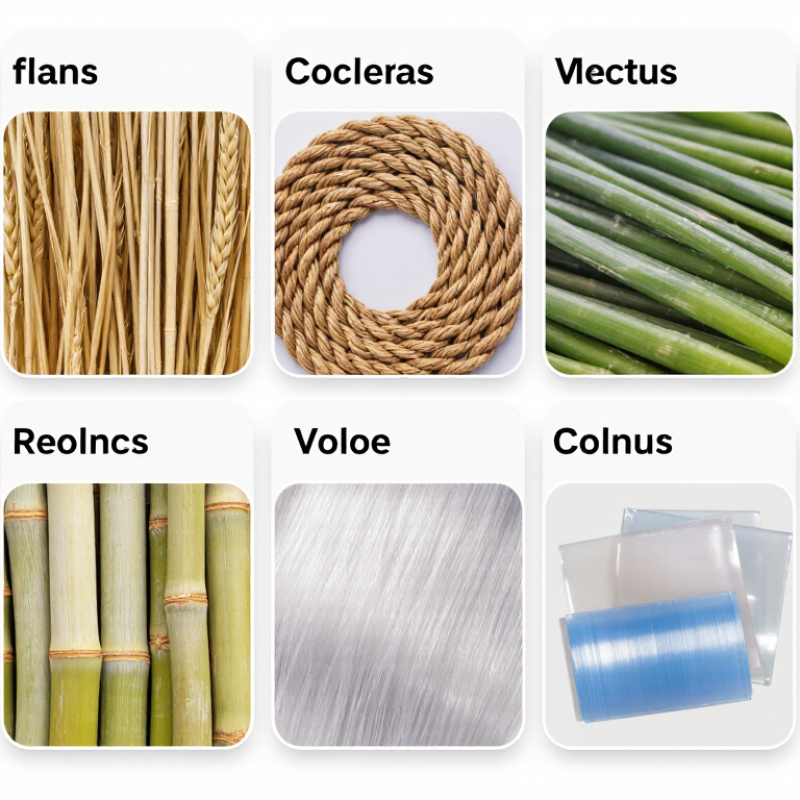
Cellulose fibers come from plant matter or from cellulose that has been dissolved and formed again. The first group includes cotton, flax, hemp, and wood-pulp fibers. Cotton is familiar in soft garments, while flax fibers often feel cooler and show a natural, slightly uneven texture. Wood pulp is a common starting material for regenerated fibers. The source alone does not determine performance. Fiber length, processing, and finishing matter too.
That distinction matters. Regenerated cellulose fibers include viscose, modal, and lyocell, made by different production routes. They can be supplied as staple fibers for spinning or as continuous filaments for smoother fabrics. Some absorb moisture readily; others are designed for improved strength or drape. Buyers should check technical data such as fiber length, tensile strength, moisture regain, and batch consistency. A small sample can reveal lint, uneven color, or a hand feel that a specification sheet cannot describe.
Classification is useful, but it is not a guarantee of quality. Two fibers with the same broad name may behave differently in dyeing or laundering. Ask how the material was tested, and compare like with like. Even then, results can vary between mills. That is easy to overlook.
Cellulose fibers are commonly grouped as natural plant fibers or regenerated fibers made by dissolving and reforming cellulose. The overview below compares their sources, general properties, common uses, and practical sourcing considerations.
| Fiber | Main classification | Cellulose source | General characteristics | Common applications | Buyer considerations |
|---|---|---|---|---|---|
| Cotton | Natural plant fiber — seed hair | Hairs surrounding the seeds of cotton plants | Soft, absorbent, breathable, and widely used in spun yarns; performance varies with staple length, fineness, and grade. | Apparel, home textiles, towels, medical and hygiene products | Check staple length, micronaire or fineness, strength, color, contamination, moisture, and applicable grading standards. |
| Flax (linen) | Natural plant fiber — bast | Fibrous tissues in the stem of the flax plant | Known for strength, moisture absorption, and a cool feel; yarns and fabrics may have a characteristic natural texture. | Clothing, table linens, furnishings, sewing thread, and specialty papers | Specify fiber length, fineness, color, retting and processing characteristics, and acceptable variation in natural appearance. |
| Hemp | Natural plant fiber — bast | Fibrous tissues in the stem of industrial hemp plants | Relatively strong and durable; processing and yarn fineness affect softness, handle, and suitability for different textile uses. | Textiles, canvas, ropes, nonwovens, composite materials, and specialty papers | Confirm fiber preparation, length distribution, cleanliness, residual shive content, and the product's permitted regulatory status. |
| Jute | Natural plant fiber — bast | Fibrous tissues in the stems of jute plants | Coarse, lignocellulosic, and generally suited to robust products rather than fine apparel; readily spun into coarse yarns. | Sacks, twine, cordage, backing fabrics, geotextiles, and packaging | Assess grade, strength, color, length, moisture, odor, and suitability for the intended end use and storage conditions. |
| Ramie | Natural plant fiber — bast | Fibrous tissues in the stem of the ramie plant | Strong, lustrous, and absorbent; its relatively stiff hand and tendency to crease can influence fabric design and finishing. | Apparel blends, household textiles, sewing thread, and specialty fabrics | Check degumming quality, residual gum, fiber fineness, length, color, and the consistency needed for blending or spinning. |
| Sisal | Natural plant fiber — leaf | Leaf tissues of the sisal plant | Coarse and durable, with good utility in many cordage and reinforcement applications; typically not selected for soft apparel. | Rope, twine, mats, carpets, brushes, and fiber-reinforced products | Specify fiber grade, length, strength, moisture, cleanliness, and whether the material is intended for textile or technical use. |
| Coir | Natural plant fiber — fruit husk | Fibrous outer husk of the coconut fruit | Coarse and resilient, with good resistance to wear in many applications; available in different forms, including bristle and mattress fiber. | Brushes, mats, mattress filling, erosion-control products, and horticultural substrates | Confirm fiber type, length, salt and moisture levels, cleanliness, and processing or treatment requirements for the application. |
| Viscose rayon | Regenerated cellulose — viscose process | Cellulose pulp dissolved and regenerated into continuous filament or staple fiber | Soft and absorbent, with good drape; wet strength and dimensional behavior depend on fiber specification and fabric construction. | Apparel, linings, home textiles, wipes, and nonwovens | Check staple or filament specifications, dry and wet tenacity, shrinkage, color, moisture, and applicable process or sourcing documentation. |
| Modal | Regenerated cellulose — modified viscose-type process | Cellulose pulp processed into a regenerated fiber designed for textile use | Often valued for softness and smoothness; properties vary by specification, and fiber performance should be verified for the intended fabric. | Underwear, knitwear, tops, bedding, and blended fabrics | Request verified fiber composition, staple or filament data, strength and shrinkage specifications, and any required traceability records. |
| Lyocell | Regenerated cellulose — direct-solvent process | Cellulose pulp dissolved in an organic solvent and regenerated into fiber | Typically offers good strength and moisture absorption; fibrillation behavior and fabric surface depend on grade and finishing. | Apparel, denim, bedding, home textiles, and selected nonwovens | Confirm fiber grade, fibrillation or finishing requirements, strength, shrinkage, color, and documentation for the chosen production route. |
Note: Natural properties vary with species, growing conditions, harvest, and processing. Regenerated-fiber properties vary with pulp, manufacturing route, and product specification. Buyers should verify technical data and compliance requirements for each shipment.
