In today's rapidly evolving landscape, automation for industry is transforming how businesses operate. This shift brings both challenges and opportunities. Companies are adopting various technologies to enhance efficiency and productivity. However, this rapid adoption does not always come without its drawbacks.
The push for automation can lead to job displacement and skill gaps. Many workers may find it difficult to adapt to new systems. Not all automation solutions fit every industry perfectly. There is a need for careful evaluation and integration into existing processes. Organizations must identify the right tools that align with their specific needs.
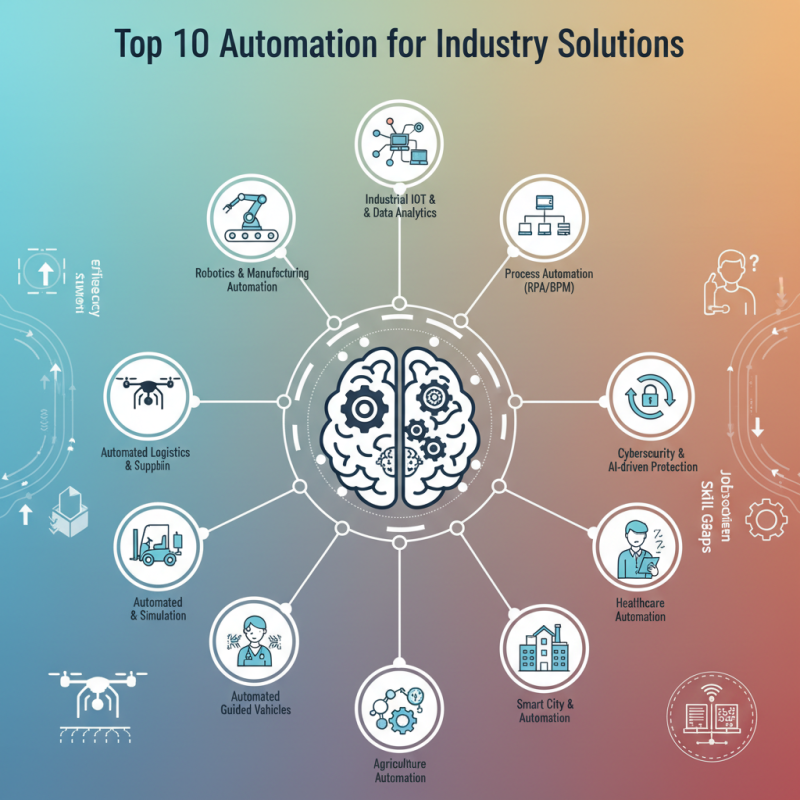
As we explore the top 10 automation for industry solutions, it's essential to remain aware of the potential pitfalls. Every solution has its pros and cons. Understanding these can lead to more informed decisions. Embracing automation is not just about implementation. It’s about creating a balance that promotes growth while considering the human element.
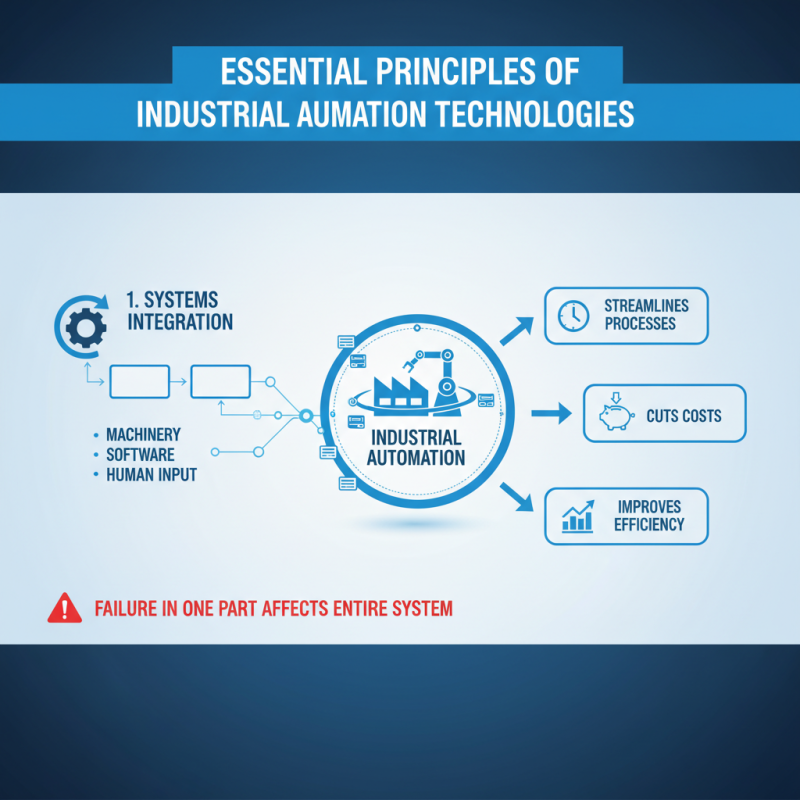
Industrial automation is transforming how industries operate. It streamlines processes, cuts costs, and improves efficiency. But understanding its essential principles is crucial. First, consider the integration of systems. All components must work seamlessly together. This includes machinery, software, and human input. If one part fails, it affects the entire system.
Tips: Evaluate your current systems. Look for gaps in integration. Identify potential bottlenecks before they become issues.
Another key principle is data utilization. Data collection is vital for informed decision-making. Analyzing trends helps optimize operations. However, raw data can overwhelm teams if not managed properly. Choose meaningful metrics to track.
Tips: Start with a few key performance indicators (KPIs). Avoid drowning in data. Focus on insights that drive results. Make adjustments based on real-time feedback.
Ultimately, embracing automation requires a mindset shift. Staff need training to adapt. Resistance is common, and addressing it takes time. The benefits are worth the effort. Explore these principles fully to create smoother operations.
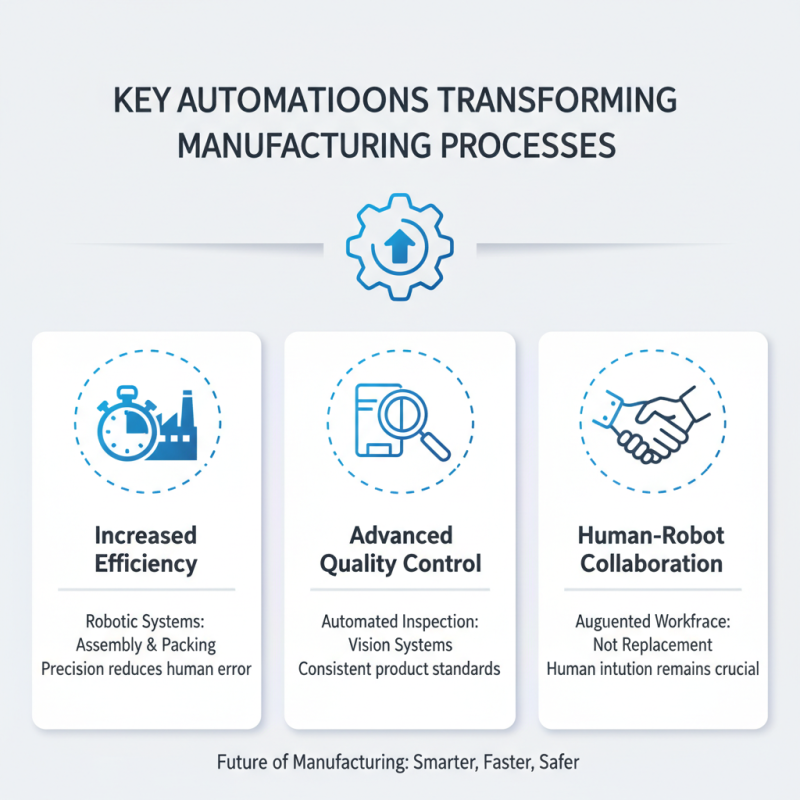
Automation is revolutionizing the manufacturing sector. As industries seek efficiency, new technologies are emerging. Many factories are now integrating robotic systems. These robots assist in assembly, packing, and even quality control. Their precision reduces human error, but they can't replace human intuition.
Another significant trend is the use of data analytics. Manufacturers are collecting vast amounts of data. This data helps in predictive maintenance and inventory management. However, managing this data can be overwhelming. Companies must decide what data is truly valuable. A bad analysis could lead to faulty conclusions.
Moreover, the integration of IoT devices is changing how machines communicate. These devices provide real-time information, making processes more transparent. Yet, this interconnectedness poses security risks. Understanding vulnerabilities is essential. A small breach can disrupt entire operations. Industry players must address these challenges head-on.
In today's industrial landscape, robotics applications are revolutionizing efficiency. Automated systems are not just about speed; they transform workflows. For example, collaborative robots (cobots) can work alongside humans. They take on repetitive tasks, allowing workers to focus on more complex jobs. This collaboration can boost morale and productivity.
However, relying heavily on robotics brings challenges. Technical issues can lead to downtime. Not all tasks can be automated effectively. Some processes require human insight and flexibility. Companies need to rethink their approaches. Training staff to work with robots is crucial. This investment pays off when teams embrace new technologies together.
Logistics is another area where robotics excels. Automated guided vehicles (AGVs) move materials efficiently. They navigate safely through warehouses, reducing the risk of accidents. Yet, AGVs must be monitored continually. A small glitch can disrupt the entire operation. It’s essential to address these potential pitfalls to ensure smooth integration. Finding the right balance between automation and human involvement is key to sustained success.
| Industry | Automation Type | Key Benefits | Efficiency Improvement (%) |
|---|---|---|---|
| Manufacturing | Robotic Process Automation | Reduced error rate, Enhanced speed | 30% |
| Logistics | Automated Guided Vehicles | Increased safety, Reduced labor costs | 25% |
| Agriculture | Drones for Crop Monitoring | Better crop yields, Efficient resource usage | 40% |
| Food Processing | Automated Packaging Systems | Faster production rates, Consistent quality | 35% |
| Pharmaceuticals | Robotic Dispensing Systems | Precision in dosages, Reduced wait times | 28% |
| Construction | 3D Printing Technology | Reduced material waste, Shorter build time | 20% |
| Textiles | Computerized Sewing Machines | Higher design flexibility, Faster production | 32% |
| Energy | Smart Grid Technology | Improved energy distribution, Enhanced reliability | 45% |
| Healthcare | Telemedicine Automation | Improved patient access, Reduced overhead costs | 37% |
| Automotive | Automated Assembly Lines | Increased output, Improved safety | 50% |
The integration of IoT in industrial automation is transforming how businesses operate. Recent studies show that 85% of organizations are implementing IoT solutions to enhance efficiency in their operations. IoT devices collect real-time data, making it possible to monitor machinery and processes continuously. This connectivity allows for predictive maintenance, reducing downtime and saving costs.
In factories, sensors can detect anomalies before they lead to failures. However, not all companies fully utilize this technology. A report indicates that only 35% of industrial players have successfully integrated IoT with their automation systems. This gap highlights challenges like data security and interoperability between devices. Companies often struggle with a lack of standardization, which can hinder their progress.
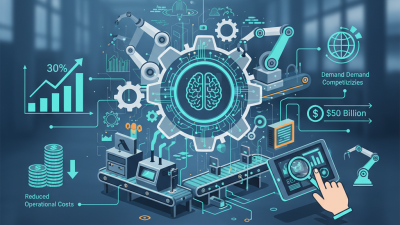
The potential for savings is significant. Analysts estimate that IoT adoption can lead to a reduction in operational costs by up to 30%. Despite this, some businesses hesitate to invest due to limited understanding of the technology. As companies face increasing pressures for efficiency, the focus must remain on overcoming these challenges. Embracing IoT is not just an option; it's becoming a necessity in the industrial landscape.
This chart illustrates the adoption rates of automation solutions across various industry sectors. As industries strive for greater efficiency and productivity, the integration of automation powered by IoT technologies has become crucial. Each sector reflects varying levels of adoption depending on technology readiness and specific operational needs.
Automation is changing industries rapidly. Many sectors embrace it to improve efficiency. Future trends influence these solutions significantly. For instance, artificial intelligence and machine learning pave new paths. They help analyze vast amounts of data. As a result, decision-making becomes quicker and more accurate.
Tips: Consider workforce readiness. Automation may cause job shifts. Training programs can help employees adapt. Communication is vital. Share changes with your team. Transparency builds trust.
Sustainability is another trend. Companies increasingly seek eco-friendly solutions. Automated processes can reduce waste and energy use. However, not all solutions are perfect. Some might lead to job displacement if not managed well. Always evaluate the impact of automation on both people and the environment.
Tips: Encourage feedback from employees. They understand the process better. Listen to their experiences. Adjust your approach based on their insights. This fosters a culture of improvement.