How to Optimize Agriculture Automation for Increased Efficiency and Yield
In the rapidly evolving landscape of modern farming, agriculture automation has emerged as a vital component for enhancing efficiency and yield. As the global population continues to grow, the pressure on agricultural systems intensifies, necessitating the integration of technology to streamline operations. Leading expert in agriculture automation, Dr. Sarah Johnson, states, "Embracing automation in agriculture is not just a trend; it is a necessity for sustainable farming practices moving forward." This sentiment underscores the urgency for farmers to leverage innovative tools and methodologies that can significantly bolster productivity while preserving crucial resources.
To optimize agriculture automation effectively, farmers must adopt a holistic approach that encompasses various technological advancements such as precision farming, data analytics, and robotic systems. By utilizing these innovations, agricultural producers can monitor crop health, manage resources more efficiently, and ultimately increase their overall output. The fusion of traditional farming practices with cutting-edge technology can lead to remarkable improvements in both operational efficiency and environmental sustainability, marking a paradigm shift in the agricultural industry. As we delve deeper into this topic, it becomes evident that optimizing agriculture automation is not merely an option; it is an imperative for the future of food production.
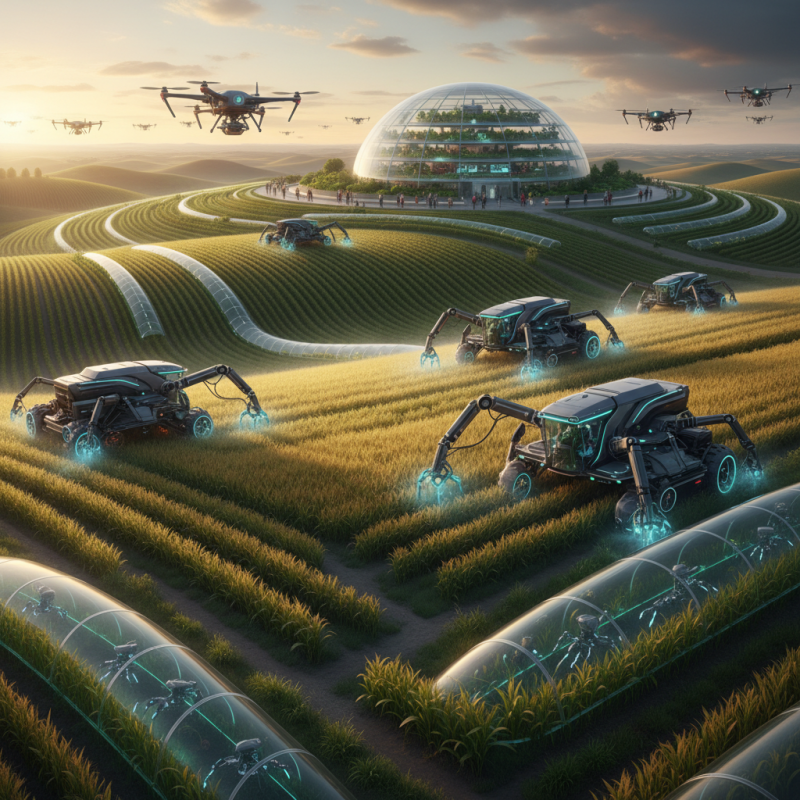
Understanding Agriculture Automation Technologies
Agriculture automation technologies are revolutionizing the farming industry by streamlining processes and enhancing productivity. At the core of these advancements are technologies such as precision farming, robotics, and data analytics. Precision farming utilizes sensors and GPS technology to monitor crop health, soil conditions, and weather patterns, allowing farmers to make informed decisions. This targeted approach not only reduces resource wastage but also maximizes crop yields by ensuring that inputs like water and fertilizers are delivered exactly where and when they are needed.
Robotics is another critical component of agricultural automation, with the development of autonomous tractors, drones, and harvesters. These machines can perform labor-intensive tasks such as planting, weeding, and harvesting with increased speed and accuracy, freeing up human labor for more complex tasks. Furthermore, data analytics plays a significant role in enhancing agricultural practices. By collecting and analyzing data from various sources, farmers can identify trends and make predictions, leading to better management practices and improved decision-making. Together, these technologies create a more efficient and sustainable agricultural ecosystem, driving both productivity and profitability.
Impact of Automation Technologies on Crop Yield and Efficiency
Assessing Current Agricultural Practices for Automation Opportunities
Assessing current agricultural practices is crucial for identifying opportunities for automation that can significantly enhance efficiency and yield. Many farms still rely on traditional methods that limit productivity and scalability. To optimize agriculture automation, it's essential to conduct a thorough analysis of existing workflows and pinpoint tasks that can be streamlined through technology.
**Tips:** Evaluate your planting and harvesting schedules to identify bottlenecks. Implement automation tools, such as drones for crop monitoring or robotic systems for planting, to streamline these processes. Analyzing soil conditions and utilizing sensors can also help in making data-driven decisions that reduce waste and improve crop quality.
Farmers should also consider integrating automation in irrigation and fertilization practices. By utilizing smart irrigation systems that adjust based on weather patterns and soil moisture levels, farmers can conserve water and enhance growth conditions. Furthermore, automated nutrient delivery systems can optimize the application of fertilizers, ensuring that crops receive the precise amount needed at the right time.
**Tips:** Invest in precision agriculture technologies, such as soil sensors and weather stations, to improve the accuracy of your operations. Regularly review your field data to make informed adjustments that enhance efficiency and maximize yield. Engaging with agricultural experts can also provide insights on the latest advancements in automation that suit your unique farming needs.
Implementing Data-Driven Decision Making in Farming
Implementing data-driven decision-making in farming is crucial for enhancing agricultural automation, ultimately leading to increased efficiency and yield. As investments in precision agriculture technologies rise, the use of data analytics has become pivotal. According to a report by ResearchAndMarkets, the global precision agriculture market is projected to reach $12.9 billion by 2027, underscoring the significance of data in transforming farming practices. By utilizing sensors, satellite imagery, and IoT devices, farmers can collect and analyze vast amounts of data to make informed decisions regarding planting, irrigation, and pest management.
A practical application of data-driven decision-making can be seen in the practices of precision irrigation. According to the Food and Agriculture Organization (FAO), adopting precision irrigation techniques can lead to water savings of 30% to 50%, while also enhancing yield by 20% to 40%. By analyzing soil moisture levels and weather forecasts, farmers can optimize irrigation schedules, reduce waste, and improve crop resilience. Furthermore, integrating crop yield data with environmental factors allows farmers to identify the most productive combinations of crop varieties and farming techniques, thereby maximizing output and efficiency.
The transition to data-driven farming is not without challenges, including the need for continuous data collection and analysis capabilities. However, when implemented effectively, these systems can significantly reduce costs and minimize environmental impacts, fostering a sustainable agricultural future. As data becomes increasingly integral to farming strategies, the potential to revolutionize agricultural practices continues to grow, paving the way for more informed and impactful decision-making in agriculture.
Integrating Robotics and IoT for Improved Crop Management
The integration of robotics and the Internet of Things (IoT) is transforming crop management, leading to significant improvements in agricultural efficiency and yield. According to a report by MarketsandMarkets, the global precision farming market is expected to reach USD 12.9 billion by 2027, driven by advancements in technology such as robotic systems and IoT solutions. These innovations allow for real-time monitoring of crop health, soil conditions, and environmental factors, enabling farmers to make data-driven decisions that enhance productivity.
Robotic systems equipped with IoT sensors can automate various agricultural tasks, from planting and irrigation to pest control and harvesting. A study conducted by McKinsey revealed that the adoption of automation in agriculture could potentially increase global food production by 70% by 2050, addressing the growing demand for food as the world’s population continues to rise. Moreover, IoT devices facilitate better resource management by optimizing water usage and minimizing waste, with some reports indicating that successful IoT applications can lead to a 20-30% increase in crop yields.
Overall, the fusion of IoT technology and robotics in agriculture not only promotes sustainable practices but also empowers farmers with tools that enhance their operational capabilities. By leveraging these technologies, the agricultural sector can adapt to the challenges of climate change and resource scarcity while ensuring food security for future generations.
Measuring the Impact of Automation on Yield and Efficiency
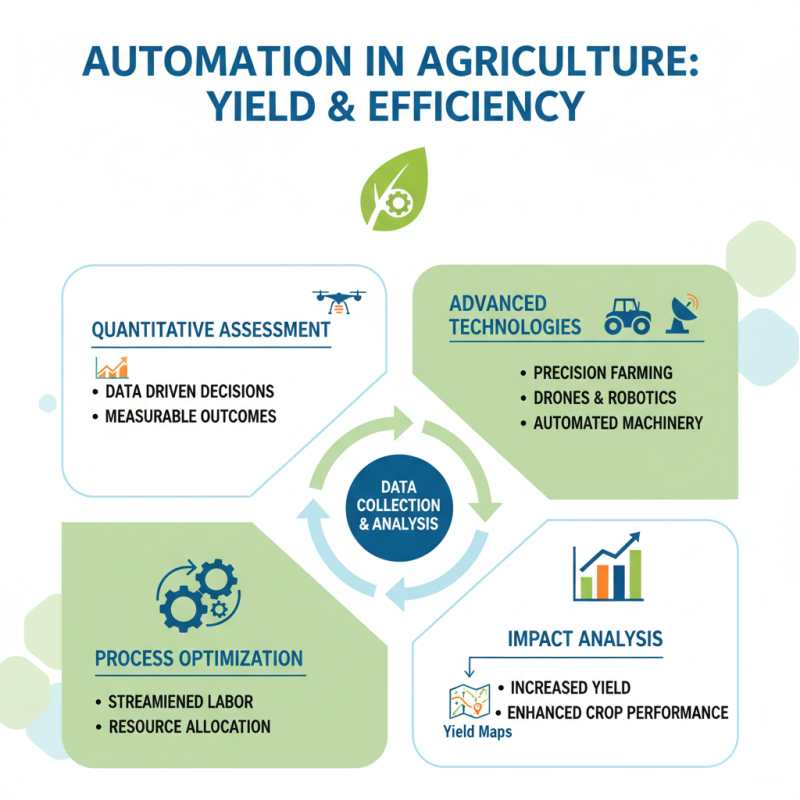
Measuring the impact of automation on yield and efficiency in agriculture involves quantitative assessments and data analysis. Advanced technologies such as precision farming, drones, and automated machinery have been integrated to streamline processes that traditionally relied heavily on labor. By collecting and analyzing data from various stages of crop production, farmers can evaluate how automation influences output levels. Yield maps, for instance, provide insights into how automated equipment optimizes planting patterns and resource allocation, leading to enhanced crop performance.
Moreover, efficiency measurements are crucial in understanding the return on investment for automation technologies. Metrics such as time savings, reduced labor costs, and lower resource usage can be tracked. For example, through the implementation of automated irrigation systems, farmers can achieve water savings while ensuring optimal soil moisture levels. Such advancements not only boost operational efficiency but also contribute to sustainable agricultural practices. By comparing pre-automation and post-automation data, stakeholders can clearly observe improvements in both yield and overall agricultural productivity.