How to Implement Oil and Gas Automation for Increased Efficiency?
In the rapidly evolving oil and gas industry, automation has become a crucial component for enhancing operational efficiency. Industry expert Dr. Laura Bennett, a leading figure in oil and gas automation, once stated, "Embracing automation is not an option but a necessity for staying competitive." This sentiment emphasizes the pressing need for companies to adopt advanced technologies.
Oil and gas automation integrates various processes, from drilling to production. Companies can reduce costs and minimize human error through automation. Specific technologies, such as remote sensors and AI-driven analytics, provide real-time data. This data aids decision-making and optimizes resource usage. However, the transition can be challenging. Some firms might struggle with integrating new systems into existing frameworks.
Despite the clear benefits, skepticism persists. Employees often fear job displacement. Companies must address these concerns through training and upskilling. Also, there may be resistance to change at different organizational levels. Successful implementation of oil and gas automation requires careful planning and open communication.

Understanding the Need for Automation in Oil and Gas Industry
The oil and gas industry faces immense challenges. Aging infrastructure and fluctuating market demands create inefficiencies. Many companies still rely on outdated processes. This results in lost time and increased operational costs.
Automation emerges as a viable solution to these persistent issues.
Implementing automation can streamline processes. For instance, real-time data collection allows for quicker decision-making. Unmanned aerial vehicles can inspect pipelines, reducing labor costs. However, integrating advanced technologies may be daunting. Employees may resist change, fearing job losses. Upskilling is essential to ensure a smooth transition. Workers need to understand tech's role in enhancing their work.
Despite the promise of automation, not all systems may operate flawlessly. Failures in technology can disrupt operations. Companies must stay vigilant and maintain a human oversight. Moreover, cybersecurity becomes critical as reliance on digital systems increases. Addressing these challenges can greatly enhance efficiency in the long run.
Identifying Key Areas for Automation Implementation
Identifying key areas for automation in the oil and gas industry is essential for enhancing efficiency. One major area is drilling operations. By automating drilling processes, companies can reduce human error and improve accuracy. Implementing robotic systems can streamline operations. These systems can monitor drilling parameters in real-time, allowing for quicker adjustments.
Another critical area is maintenance. Predictive maintenance tools can analyze equipment health and forecast failures before they happen. This proactive approach reduces downtime and minimizes repair costs. Sensors can collect data continuously, but interpreting this data effectively remains a challenge. Companies need skilled personnel to analyze trends and act accordingly.
Logistics is also ripe for automation. Supply chain management can benefit from automated tracking systems. These systems can optimize routes and reduce delays. However, integrating new technologies with existing systems can be complex. Ensuring a seamless transition requires careful planning and training. There are still gaps that need addressing as technology evolves.
Technologies and Tools for Oil and Gas Automation
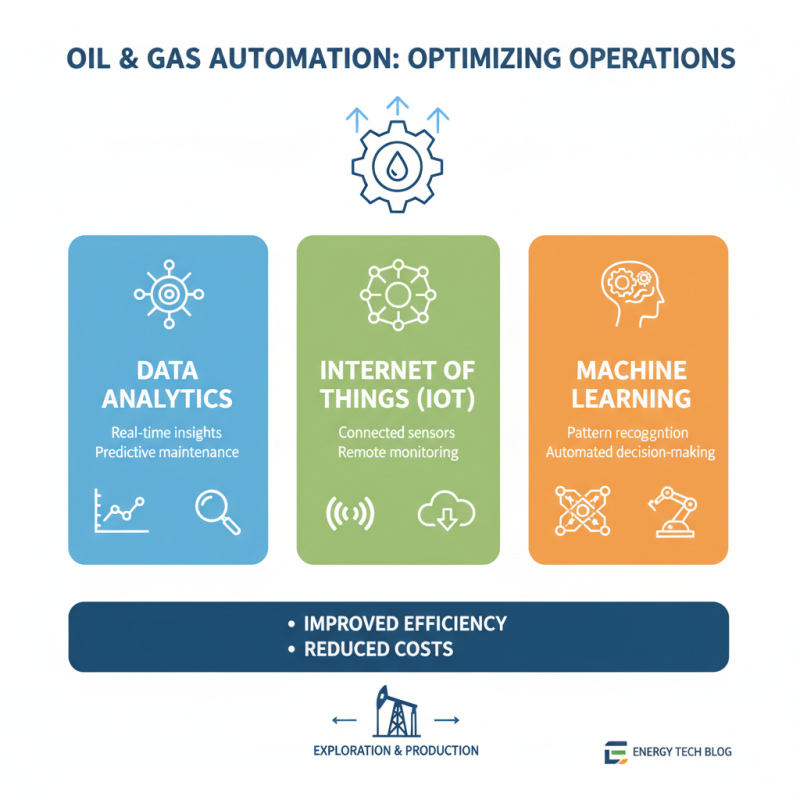
Oil and gas automation plays a crucial role in optimizing operations. Various technologies harness data analytics, Internet of Things (IoT), and machine learning. These tools can improve efficiency and reduce costs in exploration and production processes. For instance, sensors installed in wells can monitor pressure and temperature in real-time. This data allows companies to make informed decisions about maintenance needs and production levels.
Automation also extends to the supply chain. Advanced software can predict demands and streamline inventory management. Drones can inspect pipelines and equipment, reducing the need for human intervention in hazardous areas. However, it is essential to address cybersecurity risks associated with these technologies. Maintaining data integrity is critical, and many companies struggle with this. Continued investment in employee training is also important. Workers must adapt to new systems and technologies effectively. Balancing innovation with safety and operational efficiency remains a challenge for many in the sector.
Developing a Strategic Plan for Automation Integration
Developing a strategic plan for automation integration in the oil and gas industry requires careful consideration. It starts with evaluating existing processes. Identify bottlenecks and inefficiencies. Employees can provide valuable insights here. Gather their feedback to understand where automation can make a difference.
Next, define clear objectives for the automation initiative. Focus on specific areas like tracking production or managing data. However, be cautious. Not every process suits automation. Some tasks require human judgment. Balancing automation with human expertise is crucial. Engage technical teams early to ensure feasibility.
While implementing a pilot project, monitor it closely. Metrics should be established to measure success. Be prepared for unexpected challenges. Adaptation can be difficult, and some employees might resist changes. Regular communication is key. Foster an environment where feedback is welcomed. This can lead to improvements and greater acceptance of automation.
How to Implement Oil and Gas Automation for Increased Efficiency? - Developing a Strategic Plan for Automation Integration
| Aspect |
Description |
Benefits |
Implementation Challenges |
| Automation Software |
Integration of software solutions for monitoring and controlling production processes. |
Enhanced data accuracy, reduced operational costs. |
Training staff, system compatibility issues. |
| Remote Monitoring |
Use of IoT devices to track equipment and production data remotely. |
Real-time insights, quick decision-making. |
Network security, device integration difficulties. |
| Data Analytics |
Utilization of big data analytics for predictive maintenance and optimization. |
Increased uptime, reduced maintenance costs. |
Data quality management, need for skilled analysts. |
| Process Automation |
Automating repetitive tasks in drilling and production operations. |
Improved efficiency, reduced human error. |
High initial investment, potential resistance from workforce. |
| Regulatory Compliance |
Systems to ensure adherence to industry regulations and standards. |
Avoidance of penalties, improved safety. |
Keeping up with changing regulations, additional monitoring tools. |
Measuring Success: KPIs and Performance Metrics for Automation
In the oil and gas industry, measuring the success of automation is crucial. Key performance indicators (KPIs) and performance metrics play a significant role. Metrics such as operational efficiency, production rates, and safety incidents provide clear insights. For instance, tracking downtime can reveal patterns and areas needing attention. Monitoring equipment performance also helps in identifying maintenance needs before failures occur.
Automation brings new challenges. Sometimes, data collection processes are not seamless. Inconsistent data can lead to unreliable insights. Companies must invest in training staff to ensure proper understanding of these metrics. Moreover, if key stakeholders do not regularly review this data, automation goals may drift. Communication among teams is essential to keep everyone aligned.
Using a balanced scorecard approach can simplify oversight. This method relates KPIs to broader business objectives. It ensures that automation efforts contribute to overall strategic goals. However, organizations must be willing to adapt their metrics. Regularly assessing the relevancy of KPIs is important for sustained success. Adjustments may be necessary as technology and market conditions evolve. These reflections foster a culture of continuous improvement, keeping the focus on efficiency.
Oil and Gas Automation: Efficiency Metrics