How to Implement Oil and Gas Automation for Improved Efficiency
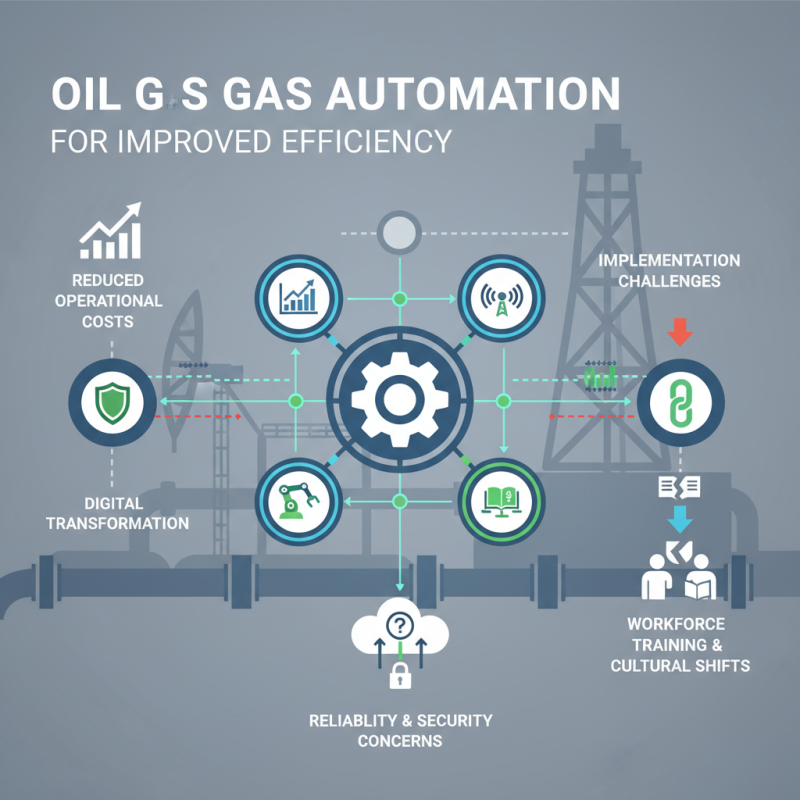
The oil and gas industry stands at a crucial crossroads where automation promises significant advancements. According to a report by the International Energy Agency (IEA), oil and gas automation could reduce operational costs by up to 25%. This potential underscores the urgency for companies to embrace digital transformation.
However, many organizations face challenges in implementation. A study from McKinsey highlights that nearly 70% of automation projects do not reach their intended goals. These statistics indicate a gap between expectation and reality. Companies must not only invest in technology but also in workforce training and cultural shifts.
Moreover, the integration of advanced analytics and IoT technologies opens new avenues for efficiency. Yet, there remains skepticism about reliability and security. This hesitation can hinder progress. To realize the true benefits of oil and gas automation, industry players must critically assess their strategies and be open to continuous improvement.
Understanding the Current Landscape of Oil and Gas Automation Technology
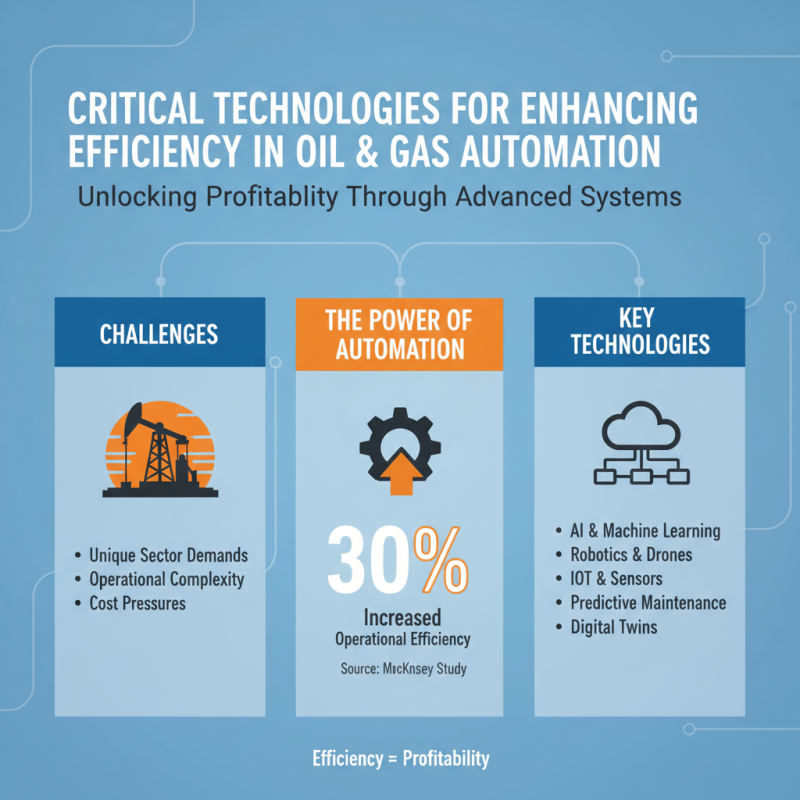
The oil and gas industry is undergoing a significant transformation with automation technology playing a pivotal role. According to a recent report by McKinsey, companies that adopt automation can increase efficiency by up to 30%. This shift is driven by the need for greater productivity in a market defined by fluctuating prices and rising operational costs.
Many organizations are utilizing real-time data analytics to optimize operations. However, there remains a gap in fully leveraging these insights. While integrated systems can enhance decision-making processes, many companies struggle due to outdated technology. This highlights the urgency for investments in modern systems that facilitate seamless data flow between various departments. In fact, only 25% of oil and gas firms have implemented comprehensive automation practices, reflecting the need for strategic planning and execution.
Despite the advantages, automation comes with challenges. The workforce may feel threatened by technology, creating resistance. Additionally, cybersecurity risks can increase as systems become more interconnected. A study by Deloitte projects that cyber threats in the sector could escalate, impacting the overall safety of automated operations. Thus, understanding the current landscape involves recognizing both the opportunities and the vulnerabilities that accompany this technological evolution.
Oil and Gas Automation Implementation: Efficiency Gains
Key Benefits of Automation in Oil and Gas Operations: Case Studies and Data
Automation in the oil and gas industry brings significant benefits. According to a McKinsey report, companies can improve efficiency by 20-30% through automation. This is mainly due to reduced human error and optimized processes. For instance, in drilling operations, automated systems can analyze data in real time, leading to faster decision-making. A case study from Chevron revealed a 25% reduction in drilling time after implementing automation technologies.
Another key area is maintenance. Predictive maintenance powered by automation can cut costs by up to 15%. This method uses sensors to monitor equipment health, allowing for timely repairs. A study by Deloitte found that companies using predictive analytics experience 30% less downtime. However, not all companies are embracing this. Some resist change, fearing the upfront costs.
Tips: Start small. Implement automation in one area and track results. Collect data continually. Evaluate performance before scaling up. Engaging your workforce is critical, as resistance often stems from fear of job loss.
Automation is not a one-size-fits-all solution. It requires tailored strategies. Regularly reassess goals to ensure they align with industry advancements and company resources. Transforming operations needs time and commitment.
Strategies for Implementing Oil and Gas Automation: Best Practices
Implementing automation in the oil and gas industry can enhance operational efficiency. One key strategy involves assessing existing workflows. Understanding current processes helps identify areas for automation. A thorough analysis may reveal inefficiencies and bottlenecks that hinder productivity.
Training workers is crucial during this transition. Without proper understanding, automation can lead to confusion. Employees need to adapt to new technologies. This involves hands-on training and resources. Investing in people can significantly impact overall success.
Regular evaluations of automated systems are essential. These checks help identify flaws and areas needing improvement. It is not uncommon for automation solutions to face unexpected challenges. Being open to feedback aids in refining these systems. Continuous improvement ensures that automation truly enhances effectiveness in the industry.
Measuring Success: KPIs for Oil and Gas Automation Initiatives
Implementing automation in the oil and gas sector requires clear measurement of success. Key performance indicators (KPIs) are essential tools. They help firms gauge the effectiveness of automation initiatives. Some common KPIs include production efficiency, downtime, and maintenance costs. Each metric reveals vital information about system performance.
For example, measuring production efficiency can provide insights into workflow optimization. If production levels drop, it indicates a need for process evaluation. Downtime tracking is also crucial. Excessive downtime often points to potential issues in automated systems. Then there are maintenance costs. If these are escalating, it suggests that automation lacks reliability.
However, setting KPIs is not always straightforward. Choosing the right metrics can be tricky. Companies may focus only on financial outcomes, neglecting operational aspects. Additionally, team members often overlook qualitative feedback. Feedback can reveal much about staff experiences with automation. Reflecting on all of this is necessary for true progress in automation. Adjustments may be needed as technology evolves and business needs change.
How to Implement Oil and Gas Automation for Improved Efficiency - Measuring Success: KPIs for Oil and Gas Automation Initiatives
| KPI |
Description |
Target Value |
Current Value |
Status |
| Production Efficiency |
Ratio of actual production to maximum possible production |
95% |
92% |
Below Target |
| OEE (Overall Equipment Effectiveness) |
Measurement of manufacturing productivity |
85% |
80% |
Below Target |
| Maintenance Downtime |
Total time machinery is non-operational due to maintenance |
< 10 hours/month |
15 hours/month |
Exceeds Target |
| Safety Incident Rate |
Number of work-related injuries per million hours worked |
< 2 incidents |
3 incidents |
Exceeds Target |
| Energy Consumption per Barrel |
Total energy used divided by total barrels produced |
< 5 MMBtu/barrel |
4.5 MMBtu/barrel |
On Target |