What is Film Faced Plywood and How to Choose the Best Option?
Film Faced Plywood, a popular choice in construction, offers durability and water resistance. Its surface is coated with a phenolic resin film, making it ideal for concrete formwork and outdoor applications. According to industry reports, the global plywood market is projected to reach USD 90 billion by 2027, with film faced plywood playing a significant role in this growth.
When selecting Film Faced Plywood, consider factors like thickness, grade, and surface finish. Different applications may require specific characteristics. For instance, higher grades are essential for projects demanding exceptional strength and moisture resistance. It’s crucial to evaluate these attributes against your project’s requirements.
However, buyers often overlook the importance of sourcing plywood from reputable suppliers. Low-quality options can result in structural issues and additional costs. Investing in reliable, high-quality film faced plywood ensures better performance and long-term satisfaction.
What is Film Faced Plywood?
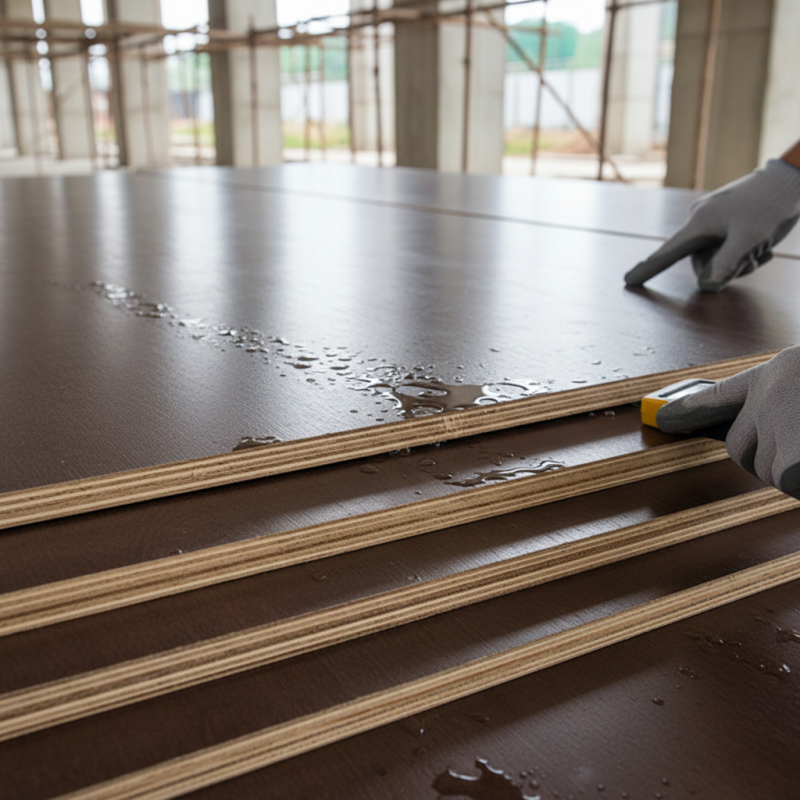
Film faced plywood is a versatile building material widely used in construction and formwork. It features a durable surface that is coated with a film, providing resistance to moisture and wear. The film typically consists of phenolic resin, which allows the plywood to perform well in various weather conditions. Due to its strength and durability, it is commonly used for concrete formwork, flooring, and temporary structures.
When considering film faced plywood, recognize the importance of quality. Look for sheets with a consistent thickness and smooth finish. This ensures a better fit and performance in your projects. Additionally, check the plywood's core material. Options include hardwood and softwood, each offering different levels of strength and weight. It's also essential to evaluate the film type. Some films offer higher resistance to water, while others may be more scratch-resistant. Understanding these details can help ensure you make a well-informed choice.
Another aspect worth pondering is the environmental impact. The production process can vary significantly between suppliers. Consider the source of the wood and the sustainability practices employed. Opting for responsibly sourced plywood can contribute positively to the environment. Always weigh the trade-offs between cost and quality. Cheaper options may save money upfront but could lead to higher expenses later due to repairs or replacements. A thoughtful approach ensures that your choice aligns with project goals and ethical considerations.
Characteristics and Benefits of Film Faced Plywood
Film faced plywood is a specialized product commonly used in construction and furniture manufacturing. Its surface is treated with a thin layer of phenolic film, providing durability and moisture resistance. According to the American Plywood Association, film faced plywood has a density range between 600 to 750 kg/m³, making it a robust choice for heavy-duty applications.
One of the standout characteristics of film faced plywood is its ability to withstand harsh conditions. It is often chosen for formwork in concrete applications. Studies indicate that it can endure up to 15 reuse cycles under optimal conditions, significantly reducing material costs over time. Additionally, its smooth surface allows for easy cleaning, contributing to efficient work processes on site.
However, despite its many benefits, it is essential to choose the right grade for specific projects. Lower quality plywood may not withstand exposure to wet conditions as well as higher grades. A report from the Timber Products Inspection highlighted that improper selection can lead to delamination and surface defects. Therefore, investing time in understanding project requirements is crucial to avoid future complications.
Key Factors to Consider When Choosing Film Faced Plywood
When choosing film faced plywood, several key factors come into play. First, consider the grade of the plywood. The quality directly influences durability and appearance. High-grade options often feature a smooth surface, making them ideal for visible applications. A lower-grade product may suffice for less critical uses, but it might not hold up as well over time.
Next, examine the film type attached to the plywood. Different films offer varying degrees of moisture resistance and durability. Certain designs can handle heavy-duty use, while others may chip or deteriorate faster. Look closely at the thickness of the film. Thicker films typically provide extra protection, but balancing cost and performance is vital.
Don't overlook environmental considerations. Plywood can come from sustainable sources, which is an essential factor for eco-conscious projects. Finally, think about your specific application. Will the plywood be subjected to heavy loads or harsh conditions? These details can guide your choice. Reflecting on these elements ensures that you select the best film faced plywood for your needs without compromise.
Different Types of Film Faced Plywood Available in the Market
Film faced plywood is designed to withstand harsh conditions. Several types exist in the market, each catering to different needs. The most common types include phenolic film faced, melamine film faced, and waterproof film faced plywood. Each type has unique properties that influence their application.
Phenolic film faced plywood is renowned for its durability. It is resistant to moisture and is ideal for projects exposed to the elements. Reports indicate that phenolic film faced plywood can last up to 20 times longer than untreated wood.
Melamine film faced plywood, while less durable, offers a cost-effective alternative for indoor applications. It is often used in furniture and cabinetry but lacks the same water resistance as phenolic options.
Waterproof film faced plywood is another variant that caters to specific construction needs. It's often used in concrete formwork. Its resistance to water penetration makes it suitable for projects near water sources. However, while these types boast distinct advantages, they might not suit every project. Evaluating the specific requirements, such as load-bearing capacity or the expected lifespan, is essential. Not all options will perform equally, so informed selection is crucial.
Tips for Maintaining and Storing Film Faced Plywood
To maintain film faced plywood, it's essential to keep it clean and dry. After use, wipe off any dirt or residue. This prevents moisture accumulation and protects the surface. Regular cleaning helps avoid mold growth, which can be a concern in humid environments. Ideally, you should use a soft cloth and mild detergent. Avoid using abrasive cleaners that can damage the film.
Storage is equally important for extending the lifespan of your plywood. Keep it in a dry, sheltered space. Ideally, place it on a flat surface to prevent warping. Using a moisture barrier when storing is a good idea. This can be as simple as a tarp that prevents exposure to dampness. It’s critical to check the stored sheets regularly. If you notice any signs of damage or wear, take action immediately to address those issues. Remember, the condition of your film faced plywood directly affects its durability and performance.
Film Faced Plywood Usage in Different Industries

