Top Electric Automation Trends Transforming Industries Today?
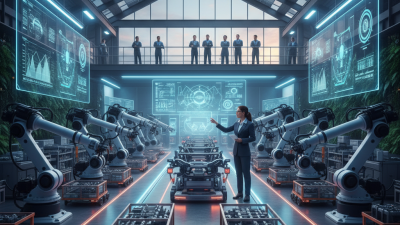
Electric automation is reshaping various industries with remarkable efficiency gains. According to a report by McKinsey, implementing electric automation can streamline processes, leading to a productivity boost of up to 30%. These advancements are evident in sectors such as manufacturing and logistics, where automated systems enhance precision and reduce labor costs.
Moreover, the adoption of electric automation is accelerating, with 60% of companies planning to invest within the next two years. This shift raises questions about cybersecurity and workforce displacement. Many firms grapple with ensuring secure systems while transitioning to automated operations.
In healthcare, electric automation improves patient care through data management systems. However, some hospitals face challenges integrating these technologies smoothly. Balancing innovation and operational stability is crucial as industries adapt to these electric automation trends.
Emerging Electric Automation Technologies Shaping Modern Industries
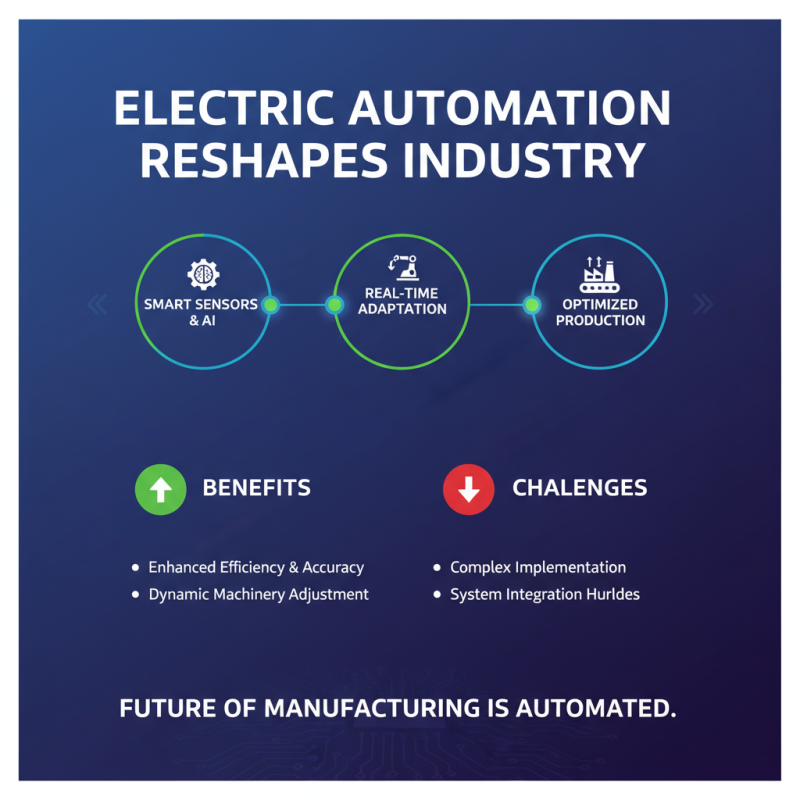
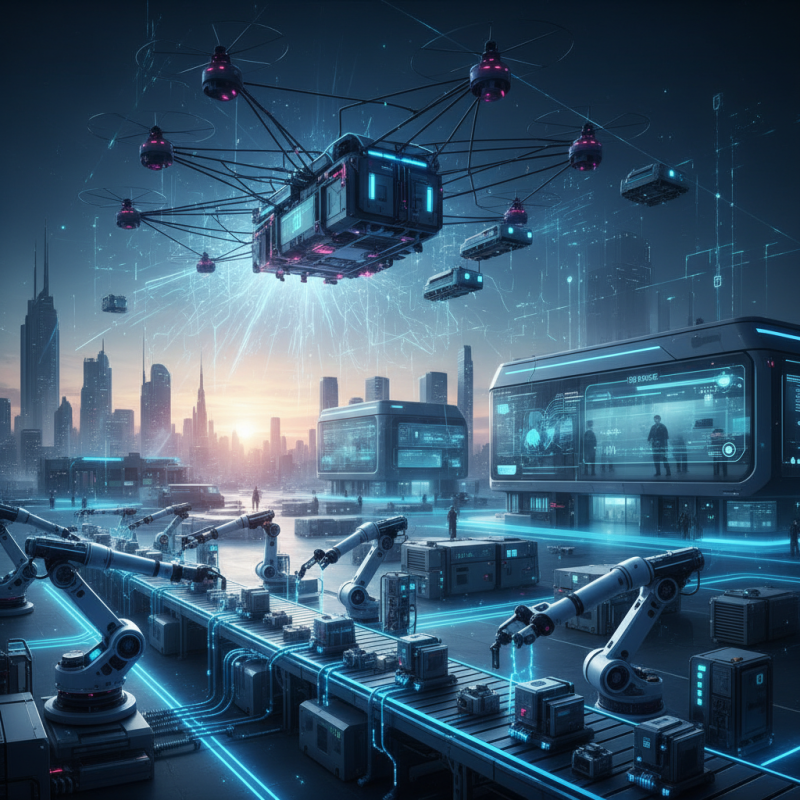
Electric automation technologies are rapidly reshaping modern industries. Smart sensors and AI-driven control systems enhance efficiency and accuracy. These tools allow machinery to adapt in real-time, which could dramatically optimize production lines. However, the implementation can be complex. Integration with existing systems often presents challenges that companies must navigate.
Data analytics is another emerging trend. By collecting vast amounts of data, companies gain insights into operational performance. This enables predictive maintenance, reducing downtime. Yet, relying heavily on data can be risky. Misinterpretation or incorrect data can lead to costly mistakes. Industries must ensure they have robust systems to validate the information they collect.
Collaboration between humans and machines is crucial. Advanced robotics can assist in repetitive tasks, freeing workers for more complex roles. Nonetheless, there are concerns about job displacement. Striking a balance between automation and human skill sets requires ongoing reflection. The future of electric automation depends on how well industries address these challenges.
Impact of AI and Machine Learning on Electric Automation Solutions
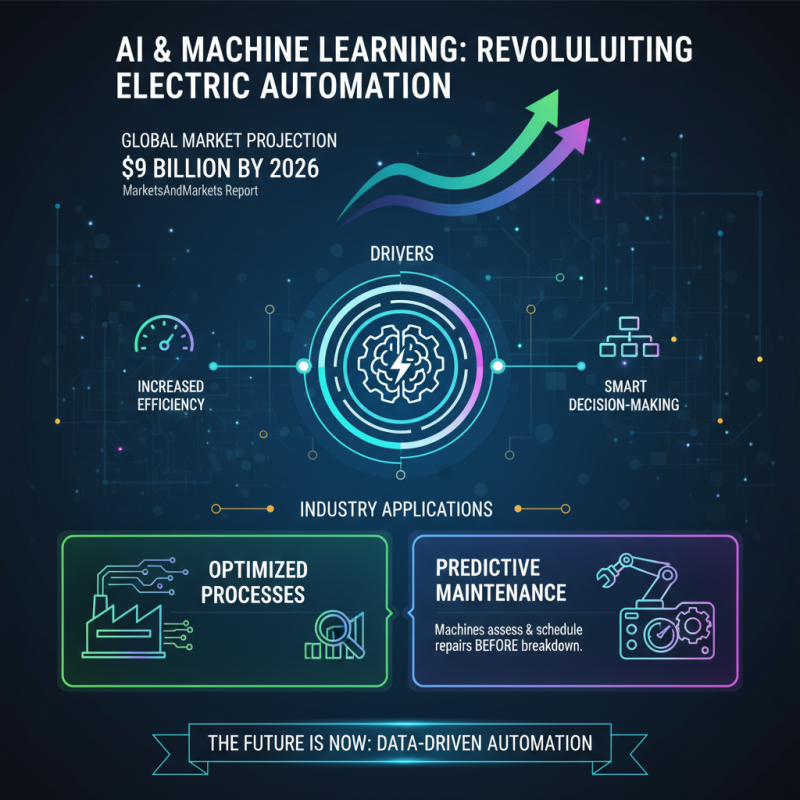
Artificial intelligence and machine learning are revolutionizing electric automation solutions across various industries. According to a report by MarketsandMarkets, the global AI in the electric automation market is projected to reach $9 billion by 2026. This tremendous growth is driven by the need for efficiency and smart decision-making. Industries are leveraging data analytics to optimize processes. For instance, predictive maintenance is now a norm. Machines can assess their own conditions and schedule repairs before a breakdown occurs.
However, the integration of AI isn't without challenges. Many organizations struggle with data quality and consistency. Over 40% of companies report data silos, hindering seamless AI integration. In addition, the skills gap remains a significant issue. A McKinsey report highlights that nearly 60% of workers might need reskilling in the next few years due to the rapid adoption of these technologies. This presents a dilemma for industries aiming for automation efficiency while facing workforce readiness.
Furthermore, ethical considerations cannot be ignored. The reliance on machine learning algorithms raises questions about bias in decision-making processes. It's essential for companies to address this. As industries embrace AI in electric automation, they must remain vigilant. Striking a balance between innovation and responsibility is crucial for sustainable progress.
Rising Adoption of IoT in Enhancing Automation Efficiency
The rise of the Internet of Things (IoT) is reshaping automation across various industries. With sensors and smart devices connected, operations are becoming more efficient. Real-time data helps companies monitor performance closely. This connectivity opens doors for predictive maintenance and reduces downtime.
However, integration isn’t always seamless. Companies may face challenges in data management and device compatibility. It's crucial to ensure that technologies work together smoothly. Investing in quality infrastructure is vital. A slow, outdated system can hinder progress.
Tip: Start small with IoT implementation. Focus on one area before expanding. Test and evaluate your processes frequently. This can reveal areas needing improvement.
Moreover,
employee training is essential. Many workers may not be familiar with new tools. It leads to reluctance in adopting new technologies. Providing ongoing education can ease transitions. Engaging staff in this transformation fosters
innovation.
Sustainability Trends in Electric Automation: Energy Efficiency Insights
The demand for sustainability in electric automation is surging. A recent industry report shows that 73% of firms prioritize energy efficiency. Companies are investing in technologies that reduce carbon footprints. Intelligent automation systems are leading the way. These systems can optimize energy usage effectively.
Energy efficiency insights reveal substantial cost savings. Businesses can cut expenses by up to 30% with the right strategies. However, implementing these measures isn’t always straightforward. Many firms struggle with outdated technology. This can hinder progress towards energy efficiency goals. Transitioning to smarter solutions may require significant upfront investment.
Moreover, the industry faces challenges in standardizing metrics for energy performance. There’s a lack of uniformity in how companies measure efficiency. This inconsistency often leads to confusion. Without clear guidelines, efforts may fall short. Companies must learn from these setbacks. Continuous data analysis is crucial for informed decision-making. Embracing a culture of innovation can drive better outcomes.
Top Electric Automation Trends Transforming Industries Today
This chart illustrates the adoption rates of various electric automation trends shaping industries today. Energy efficiency and automation technologies are leading the way, while the use of sustainable materials and smart grids is also gaining momentum. Predictive maintenance is an emerging trend, signifying a shift towards more efficient and sustainable operations.
Industry-Specific Applications of Electric Automation Innovations
Electric automation is revolutionizing various industries today. In manufacturing, smart machines are optimizing production. Real-time data informs operators about equipment status. This reduces downtime and enhances efficiency. However, some workers worry about job security. Automation may displace jobs, leading to anxiety in the workforce.
In healthcare, electric automation improves patient care. Robotic systems assist surgeons with precision. These innovations lower the risk of human error. Yet, integration challenges remain. Not every facility has the resources or training needed. Additionally, concerns about data privacy are prevalent. Automation can provide better outcomes but may require a rethink of existing protocols.
Agriculture benefits from electric automation as well. Drones monitor crop health and optimize resource usage. This technology helps farmers maximize yields. Still, the reliance on technology poses risks. Equipment failures or technical issues can disrupt operations. Farmers must be vigilant and prepared for potential setbacks. Adopting these innovations means embracing both benefits and challenges.
Top Electric Automation Trends Transforming Industries Today
| Industry |
Application |
Technology Used |
Benefits |
Adoption Rate (%) |
| Manufacturing |
Robotic Process Automation |
AI & Machine Learning |
Increased Efficiency |
75% |
| Logistics |
Automated Warehousing |
IoT Sensors |
Cost Reduction |
68% |
| Healthcare |
Remote Patient Monitoring |
Wearable Devices |
Improved Patient Care |
60% |
| Energy |
Smart Grids |
AI Analytics |
Enhanced Reliability |
80% |
| Retail |
Smart Checkout |
Facial Recognition |
Improved Customer Experience |
72% |