What is a Compact Wheel Loader and How Does it Work?
Compact Wheel Loaders have gained immense popularity in various industries. According to a report by the International Construction Equipment Industry, the global market for compact construction equipment is expected to grow significantly, reaching $13.5 billion by 2025. This growth drives the demand for more versatile equipment, like the Compact Wheel Loader.
These machines are designed for small to medium tasks. They combine power and agility, making them ideal for tight job sites. Their compact size allows them to work in spaces where larger machinery cannot. The Compact Wheel Loader is preferred in landscaping, agriculture, and urban construction. Interestingly, their efficiency can reduce operational costs by up to 25%, as outlined in a study by EquipmentWatch.
Nevertheless, there are challenges. Users must be trained to operate them effectively. Improper use can lead to mechanical failures or safety hazards. Additionally, as the industry evolves, manufacturers need to focus on innovations to enhance performance and sustainability. Addressing these issues can improve the overall efficacy of Compact Wheel Loaders in the field.
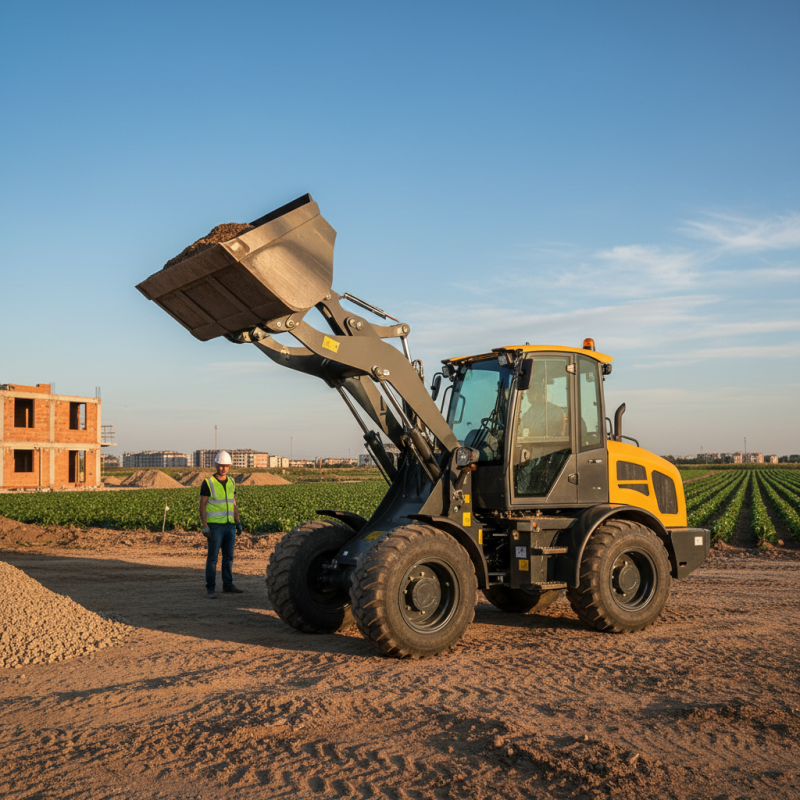
What is a Compact Wheel Loader?
A compact wheel loader is a versatile piece of machinery widely used in construction, landscaping, and agriculture. With a small footprint and powerful capabilities, it can maneuver in tight spaces while handling various materials. According to industry reports, the compact wheel loader market is expected to grow significantly, driven by increased demand for urban construction projects. The ability to transport loads efficiently makes it a valuable asset for contractors.
Typically, these loaders have a small frame, yet they can lift heavy loads. They can reach dump heights of up to 10 feet, making it easier to unload materials. Many compact wheel loaders come with a variety of attachments. These attachments enhance their usability for tasks like digging, hauling, or even snow removal. As noted, the right attachment can make a loader function like several machines in one.
Tips: Always check the loader’s specifications. Ensure it meets your project requirements. Consider the terrain when selecting a compact wheel loader. Some models handle rough surfaces better than others. Be mindful of maintenance. Regular checks can prevent costly repairs and improve efficiency.
Key Features of Compact Wheel Loaders
Compact wheel loaders are versatile machines widely used in construction, landscaping, and agriculture. Their small size does not compromise power. These loaders have a strong lifting capacity, typically ranging from 1,000 to 2,500 pounds. This makes them ideal for moving materials like gravel or soil. Industry reports indicate that the demand for compact wheel loaders is on the rise, with a projected growth rate of 5.2% over the next five years.
One key feature is their tight turning radius. Unlike larger equipment, compact wheel loaders can maneuver easily in tight spaces. This flexibility is essential for urban construction sites. Additionally, auxiliary hydraulics allow for various attachments. These can range from buckets to snow plows. In a recent survey, 73% of operators noted that these attachments increased productivity.
However, operators often face challenges. Limited power can restrict performance in heavy-duty tasks. As the new models evolve, operators must adapt to technological advancements. Many compact loaders now include advanced controls, but learning curves can be steep. It's crucial for operators to engage with continuous training to maximize machine efficiency.
Mechanism and Operation of Compact Wheel Loaders
Compact wheel loaders are versatile machines used in various industries. They excel in material handling, landscaping, and construction tasks. Their compact size allows them to maneuver in tight spaces, making them ideal for urban jobs.
The operation of a compact wheel loader relies on a hydraulic system. The system powers the loader's arms and buckets, allowing for efficient lifting and dumping. Operators can easily control the loader's movement through joysticks, ensuring precision. Data shows that these machines can lift up to 2,000 pounds, depending on the model. This capability enhances productivity on job sites.
Tips: Regular maintenance is crucial. Check hydraulic fluid levels frequently. This can prevent costly downtimes. Additionally, operators should attend training sessions to improve skills. Knowledge of machine limitations is vital for safety.
The design of a compact wheel loader includes a four-wheel drive system. This feature helps with traction on uneven terrain. Yet, some operators find it challenging to adapt to different ground conditions. Understanding how to handle these situations is key. Knowing when to switch to low gear can prevent accidents and equipment wear.
Compact Wheel Loader Operational Efficiency by Load Capacity
Applications and Uses of Compact Wheel Loaders
Compact wheel loaders are versatile machines commonly used in various industries. Their compact size allows them to navigate tight spaces efficiently. They excel in tasks like material handling, landscaping, and construction. This flexibility makes them invaluable on job sites where maneuverability is essential.
In landscaping, compact wheel loaders transport soil, mulch, or stones with ease. They can also assist in grading and leveling tasks. They are popular in agriculture for loading feed or transporting supplies. However, their smaller size can sometimes limit lifting capacity. This challenge may require operators to adjust their workload.
Construction sites also benefit from these machines. Compact wheel loaders can load trucks, dig trenches, or perform site cleanup. Yet, operators need to be cautious. Overloading can lead to instability. Understanding the machine’s limits is crucial for safe operation. These factors showcase the balance between utility and responsibility in using compact wheel loaders.
Advantages of Using Compact Wheel Loaders in Construction
Compact wheel loaders are versatile machines in construction. They can fit into tight spaces where larger equipment cannot. These machines excel at lifting and moving materials like dirt, gravel, and debris. Their compact size makes them ideal for urban construction sites. Operators appreciate their agility and ease of use.
One key advantage of compact wheel loaders is their efficiency. They minimize the time needed for tasks such as loading and unloading. This can lead to faster project completion. However, some users might feel they lack the power of larger loaders. It’s essential to evaluate the specific tasks required before making a choice.
Durability is another notable feature. Compact wheel loaders are built to withstand tough conditions. They can handle heavy loads, but operators should be aware of their limits. Proper training can help maximize their capabilities. Improper use may lead to wear and tear, reducing lifespan. Thus, understanding both advantages and limitations is crucial for success.

