How to Choose the Right Pneumatic Automation Solutions?
Choosing the right pneumatic automation solutions can significantly impact your operations. With a vast array of options, the decision-making process may feel overwhelming. Pneumatic automation systems are essential for efficient manufacturing and processing. They offer speed, reliability, and precision. However, not all solutions are created equal.
When considering pneumatic automation, experience and expertise are key. Reliable systems must meet specific demands of your industry. The wrong choice can lead to inefficiencies and increased costs. You may find that some solutions look appealing but may lack the durability you need. Evaluating various specifications is crucial.
It's important to acknowledge the potential pitfalls. Many businesses rush into purchasing without thorough research. This can result in suboptimal performance. Understanding your requirements and constraints is essential in avoiding these common mistakes. Be mindful of both short-term and long-term implications. Choosing wisely ensures optimal results and sustainable growth in pneumatic automation.
Understanding Pneumatic Automation: Basics and Benefits
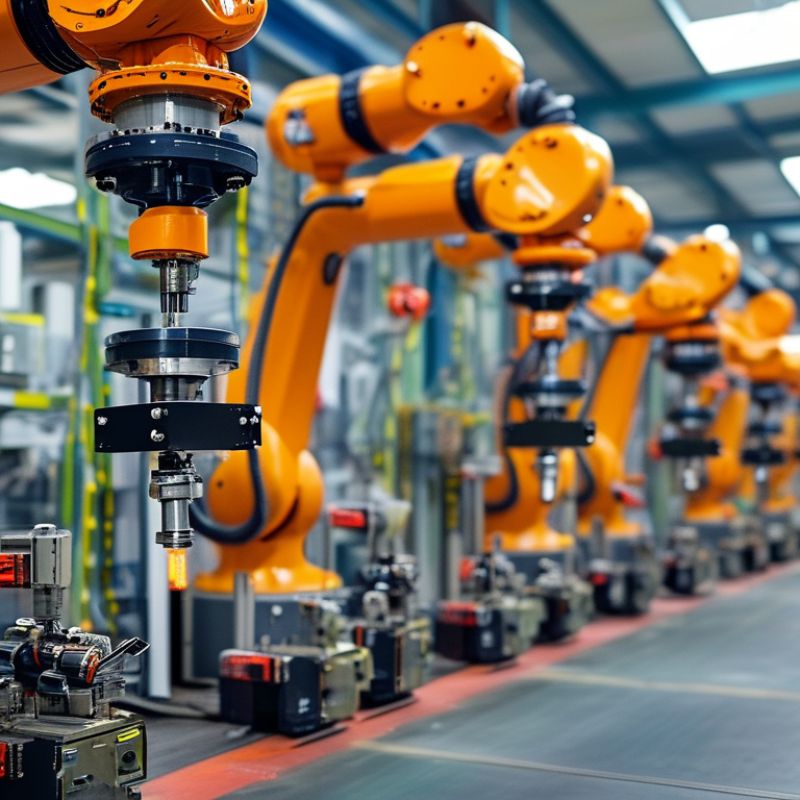
Pneumatic automation involves the use of compressed air to perform various mechanical processes. This technology is widely utilized in manufacturing and assembly lines for its speed and efficiency. Understanding the basics begins with grasping the components involved, such as actuators, valves, and compressors. Each part plays a critical role in ensuring smooth operation. A thorough knowledge of these elements helps in making informed decisions.
The benefits of pneumatic automation are significant. It offers rapid movement and high force output, essential for heavy lifting tasks. Additionally, pneumatic systems are generally less expensive to maintain than hydraulic systems. However, they may not be as precise. This trade-off requires careful evaluation based on the application needs. There are instances where pneumatic solutions may not meet the necessary accuracy. It's vital to assess these factors before implementation to avoid costly mistakes.
Moreover, the adaptability of pneumatic systems can vary based on environmental conditions. For instance, moisture in the air can lead to complications in system performance. Regular checks and moisture removal are crucial in maintaining system efficiency. Overall, a deep understanding of these characteristics helps in selecting the right solution for specific industrial applications.
How to Choose the Right Pneumatic Automation Solutions?
| Dimension |
Description |
Importance |
| Type of Actuator |
Select the type of actuator based on stroke length and application needs. |
Crucial for achieving desired movement characteristics. |
| Pressure Range |
Determine the required pressure range for optimal operation of machines. |
Ensures effective functioning and energy utilization. |
| Control Valve Type |
Choose between manual, pneumatic, electric, and solenoid control valves. |
Affects precision and response time in automation systems. |
| Regulatory Compliance |
Ensure that the chosen components meet industry standards and regulations. |
Critical for operational safety and legal compliance. |
| Maintenance Requirements |
Evaluate ease of access for maintenance and service needs. |
To minimize downtime and service costs. |
| Cost Considerations |
Analyze total cost of ownership including installation, operation, and maintenance costs. |
Affects project budgeting and financial justification. |
Assessing Your Automation Needs: Key Considerations
When assessing your automation needs, it's crucial to identify specific requirements. Start by evaluating the current processes in your facility. What tasks are repetitive? Which areas require efficiency improvements? Documenting these details provides a clear picture of your automation goals.
Consider the types of materials you will use. Different materials may require specific pneumatic solutions. High temperatures or moisture levels may affect the choice of components. Look into the compatibility of automation solutions with existing equipment as well. This analysis helps prevent costly errors.
Engage with experienced professionals in the automation field. Their insights can highlight overlooked aspects of your operations. Reflect on your trials and errors in the past; this experience can guide future decisions. Always prioritize safety and efficiency in your choices. By understanding these factors, your pneumatic automation solutions will align closely with your unique operational needs.
Evaluating Pneumatic Components: Choosing Valves, Actuators, and More
Evaluating pneumatic components is critical for optimizing automation solutions. Valves, actuators, and other components must suit specific application needs. The global pneumatic components market was valued at approximately $10 billion in 2022 and is projected to grow significantly. Choosing the right components can directly impact efficiency and productivity.
When selecting valves, consider types such as solenoid, pneumatic, and manual. Each type serves different functions and is suited for various environments. It's essential to assess factors like flow rates, pressure ratings, and response times. Research indicates that improper valve selection can lead to a 15% increase in energy consumption. This emphasizes the need for thorough evaluation.
Actuators are equally important in pneumatic systems. Options range from diaphragm to rotary types. The choice depends on the desired movement and application context. Data shows that actuators account for nearly 40% of total pneumatic system costs. A mismatch in actuator sizing can lead to performance issues. This highlights the significance of careful analysis during the selection process. Understanding these components can ultimately enhance system reliability and functionality.
Integration with Existing Systems: Ensuring Compatibility and Performance
When choosing pneumatic automation solutions, integration with existing systems is crucial. Ensuring compatibility helps maintain operational efficiency. You may need to assess current equipment and software for potential upgrades. A seamless integration reduces downtime and enhances performance.
Consider the communication protocols of your existing systems. They must match the new pneumatic technology for optimal results. Sometimes, unique interfaces may be required, leading to additional costs. Careful planning can prevent these issues. Aligning your new automation with standardized practices is an effective way to ensure compatibility.
Testing is vital before full implementation. Conduct trials to identify issues early and make necessary adjustments. Though this may slow down the initial rollout, it ultimately saves time and resources. Regular feedback from your teams can provide insights into potential integration hurdles, helping you refine the process. Remaining adaptable will lead to better outcomes in your automation journey.
Comparison of Pneumatic Automation Solutions Compatibility
Budgeting for Pneumatic Solutions: Cost Analysis and ROI Considerations
Budgeting for pneumatic automation is crucial for any business considering these solutions. To start, analyzing initial costs is important. This includes equipment, installation, and maintenance. Find reliable suppliers that provide detailed quotes. Compare these against your budget. A thorough cost breakdown will help prevent surprises later on.
Return on investment (ROI) is another key consideration. Estimate the potential savings from increased efficiency and reduced downtime. Calculate how long it will take to recoup your initial investment. Engaging with experienced consultants can provide valuable insights. However, their advice should be weighed against your own circumstances and operational needs.
While pneumatic solutions offer benefits, they also involve risks. Unexpected costs can arise during implementation. Keeping a buffer in the budget is prudent. Regularly revising your financial plan can help adjust for unforeseen expenses or changes in production. Tailoring an automation solution that meets your needs requires ongoing assessments and a flexible approach.