How to Choose the Right CNC Turning Center for Your Needs?
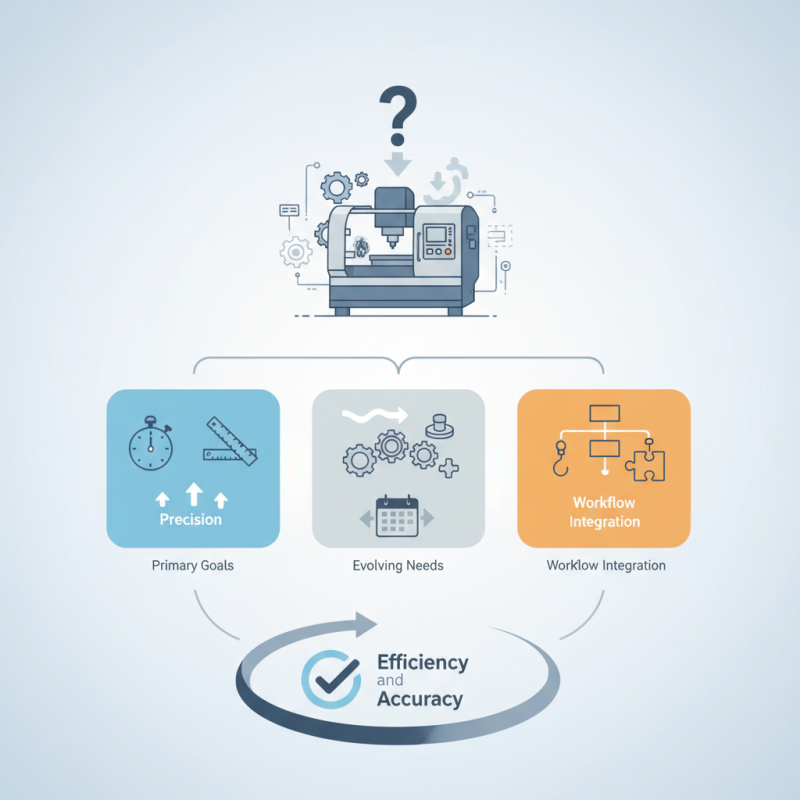
Choosing the right CNC Turning Center can be a daunting task. Experts emphasize its importance in manufacturing. One industry leader, John Smith, states, "Selecting the right CNC Turning Center shapes your production capabilities." A thoughtful selection impacts efficiency and accuracy.
Consider what you need from a CNC Turning Center. Different models offer various features. Some prioritize speed, while others excel in precision. It’s crucial to identify your primary goals. A mismatch can lead to inefficiencies.
Your choice might evolve over time. As projects change, so do your requirements. Reflecting on your needs can guide you toward the right decision. Remember, it's not only about the machine itself but how it fits into your overall workflow. Look for flexibility and adaptability in your CNC Turning Center.
Understanding CNC Turning Centers: A Fundamental Overview
CNC turning centers are essential for precision machining. They automate the process of shaping materials. Understanding the basics is crucial before making a choice. These machines can handle various metals and plastics. They offer high efficiency and repeatability. Operators can adjust speeds and feeds for different tasks. However, features vary widely among models, causing confusion.
When selecting a CNC turning center, focus on your specific needs. Consider the size and type of materials you will machine. Think about production volumes, too. Not all machines are built for heavy usage. Some may be better for smaller batches. Costs may rise based on options like live tooling or advanced control systems. Limitations exist, and not all features will fit every application.
Additionally, training and support are vital. It’s essential to understand machine operation, maintenance, and capabilities. Inadequate knowledge can lead to inefficiencies or errors. It’s also crucial to keep up with technology changes. Staying informed can help avoid obsolete equipment and costly mistakes. Choosing the right CNC turning center requires careful thought. Reflect on your priorities to make the best decision.
Comparison of CNC Turning Center Features
This bar chart compares various features of different CNC turning centers including spindle speed, axis travel, maximum load capacity, and tool capacity, assisting users in making informed decisions based on their specific needs.
Identifying Your Specific Machining Needs and Requirements
Choosing the right CNC turning center begins with understanding your specific machining needs. Start by assessing what materials you plan to work with. Different materials require different cutting tools and settings. Consider the thickness and hardness of these materials. If you're working with steel, for example, you might need a more robust machine.
Next, think about the complexity of your projects. Do you need to machine intricate designs or simple shapes? Complex designs may require advanced features. If you plan to produce high-volume parts, look for a machine with faster cycle times. It’s crucial to balance speed with accuracy.
Don’t forget to evaluate your workspace. Do you have adequate room for the CNC turning center? Space constraints may limit your options. Keep in mind the machine's footprint and weight. A larger machine might offer greater capabilities but could become a challenge in a tight area. Reflect on these aspects carefully for an informed decision.
Evaluating the Key Features of CNC Turning Centers
When selecting a CNC turning center, evaluating key features is critical for meeting your specific needs. One major aspect is the spindle speed. High spindle speeds can enhance product finish and reduce cycle times. A recent industry report indicated that machines with spindle speeds over 4,000 RPM significantly improve machining efficiency. However, higher speeds may also increase wear on tools and machinery.
Another important feature is the axis configuration. A three-axis system may suffice for simple parts, but complex components often require more advanced configurations. According to a survey from the Manufacturing Technology Association, over 60% of manufacturers prefer multi-axis capabilities for flexibility. While this can lead to greater versatility, it also puts higher demands on operator skill and machine programming.
Lastly, consider the tooling system. A quick-change tool holder can decrease downtime during production runs. Reports suggest that adopting such systems can reduce tool change times by 30%, which is beneficial for production efficiency. Nonetheless, investing in advanced tooling solutions can strain budgets, leading to a need for balance between cost and capability. Each feature should align with your operational goals and the quality standards of your projects.
How to Choose the Right CNC Turning Center for Your Needs? - Evaluating the Key Features of CNC Turning Centers
| Feature | Importance | Typical Range | Considerations |
| Axis Configuration | High | 2-axis to 5-axis | More axes allow for complex geometries |
| Spindle Speed | Moderate | 500 to 6000 RPM | Higher speeds for softer materials |
| Chuck Size | High | 5” to 20” | Larger chucks accommodate bigger parts |
| Tool Capacity | High | 6 to 24 tools | More tools reduce setup time |
| Control System | Moderate | Fanuc, Haas, Siemens | User-friendly interfaces improve productivity |
| Price | High | $50,000 to $300,000 | Budget affects specifications and features |
Comparing Different Brands and Models: What to Look For
When selecting a CNC turning center, consider key specifications. Look at spindle speed, which affects machining efficiency. Models with speeds up to 6,000 RPM can enhance productivity significantly. Also, check the workpiece capacity. Some centers handle heavier loads, but that may limit speed.
Next, examine control systems. User-friendly interfaces can improve setup times. Reports indicate that skilled operators prefer intuitive controls. These can reduce errors in programming. Accuracy is crucial; even a small deviation can lead to costly waste.
Durability is another aspect to ponder. Machines made with high-quality materials often last longer. Yet, they may come with a higher initial cost. Maintenance records of similar models can provide insights. Industry data shows downtime averages 5-10% annually, depending on maintenance practices. Investing in reliability often pays off in the long run, but it requires thought.
Budgeting: Costs and Investment Considerations for CNC Machines
When selecting a CNC turning center, budgeting is crucial. The initial investment can range from $30,000 to over $300,000, depending on features, size, and capabilities. A report by the American Machine Tool Distributors' Association highlighted that nearly 40% of manufacturers struggle with financing. It’s essential to identify your specific requirements early on. Determine what features you truly need and what exists beyond your budget.
Running costs also warrant attention. CNC machines require electricity, maintenance, and tools. According to industry data, energy costs can peak at $5,000 annually for larger machines. Maintenance can also balloon, with annual expenses averaging around 10% of the machine price. It’s vital to think about ongoing expenses while eyeing the machine's initial cost.
Not all machine configurations will meet every expectation. A low-cost machine might lack advanced functionality. Conversely, an overly complex system can create a learning curve. Reflect on your long-term goals. It might be worth investing more upfront to save on future costs. Balancing initial spending with future efficiency can shape overall success. Keep these factors in mind as you navigate your budgeting journey.