
Choosing a reliable Car Surface cleaner is harder than a glossy label suggests. Buyers face dust, road salt, insects, oily fingerprints, hard-water marks, and interior transfer. Product performance also changes with climate, paint condition, and water quality. This guide evaluates ten leading options for global buyers, using practical cleaning needs rather than advertising claims.
Vehicle age matters. ACEA’s Vehicles on European Roads 2024 report places the average EU passenger car age at about 12.5 years. Older clear coats may show oxidation, scratches, or weakened protection. They need gentler chemistry and careful wiping. Meanwhile, the International Energy Agency reported nearly 14 million electric car sales worldwide in 2023. Electric vehicles still need safe cleaning, but their sensors, glossy trim, matte finishes, and charging-port areas demand closer attention. Small mistakes can become expensive.
Our comparison considers pH balance, surface compatibility, dilution, residue, packaging, and available safety information. We also examine manufacturer instructions and Safety Data Sheets where available. Independent testing is limited for many consumer cleaners. That is worth admitting. Some ratings rely on controlled demonstrations, not long-term ownership. A product that excels on a dusty black sedan may disappoint on a ceramic-coated SUV in a humid market. Water hardness can change the result, too.
The best choice is therefore not universal. It should clean effectively without dulling paint, staining plastics, or leaving a slippery film. Buyers should test a small hidden area first. Sensible caution beats a damaged finish.
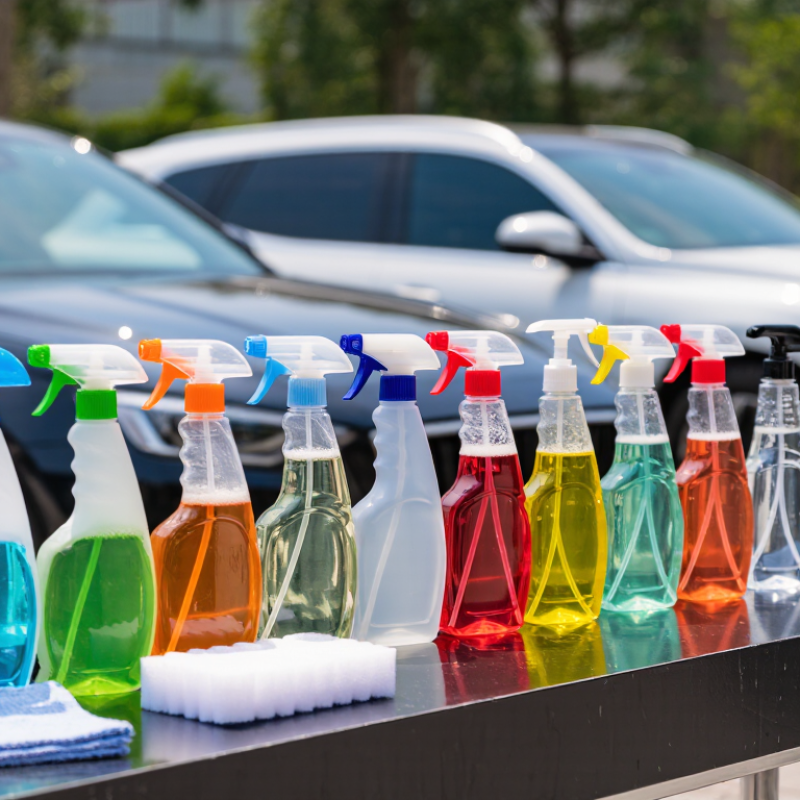
What Makes a Car Surface Cleaner Effective for Global Buyers
A reliable car surface cleaner must perform beyond one climate or vehicle type. OICA reported 93.5 million motor vehicles produced worldwide in 2023. That scale creates varied paint finishes, plastics, glass, and interior materials. A strong formula should remove road film, oil marks, dust, and fingerprints without leaving a cloudy layer. pH-balanced chemistry is useful, but pH alone does not prove safety. Testing on coated paint, matte trim, rubber seals, and touchscreens matters more. I have seen cleaners work well on dry dust yet struggle with salty road residue. That limitation deserves honest labeling.
Global buyers also need practical evidence. The International Energy Agency reported over 14 million electric cars sold in 2023, representing nearly 18% of new-car sales. More electric vehicles mean more sensitive screens, glossy panels, and lightweight interior materials. Effective products should offer clear dilution guidance, temperature limits, storage instructions, and multilingual safety information. Low fragrance and controlled volatile content can improve comfort in enclosed cabins. Regional chemical rules also differ, so transparent ingredient disclosure builds trust. “Universal” is often an overstatement.
Tips: Test a small hidden area first. Use a clean microfiber towel. Avoid direct sunlight and hot panels. For dusty surfaces, rinse or gently lift debris before wiping. Check the label for plastic, glass, leather, and coated-surface compatibility. A simple compatibility chart is more useful than impressive advertising. Even careful users can create fine scratches by reusing a loaded towel.

Effective car surface cleaners should match the material being cleaned. Neutral or mildly alkaline formulas are generally suitable for painted surfaces, glass, plastics, leather, vinyl, and touchscreens, while stronger alkaline formulas are more commonly used for tires, wheels, and heavily soiled engine-bay components. Always follow the vehicle and cleaner manufacturer’s instructions and test an inconspicuous area first.
Car surfaces need different cleaner types, not one universal formula. For painted panels, choose a pH-neutral shampoo or a gentle spray cleaner. It should lift road dust without stripping protection. I test products on a hidden edge first. Paint can look strong but scratch easily when grit remains.
For glass, use a low-residue glass cleaner with a clean microfiber cloth. Spray the cloth, not the windshield, to reduce dashboard overspray. Wipe in vertical strokes inside and horizontal strokes outside. This makes streaks easier to locate. I still miss a corner sometimes. That small flaw can reveal oily film under bright light.
Wheel cleaners require extra care. A mild cleaner suits coated wheels, while iron-removing formulas help with embedded brake dust. Never let the product dry on a hot wheel. Rinse thoroughly, especially around bolts and brake components.
For interiors, use a separate fabric, vinyl, or leather cleaner. Test colorfastness beneath a seat. Strong fragrance is not proof of effectiveness. In humid regions, avoid soaking cushions, because trapped moisture may create unpleasant odors. A soft brush helps clean seams, but aggressive scrubbing can dull textured plastic. Some instructions seem overly cautious, yet heat, sunlight, and local water quality can change results.
Choosing among the 10 best car surface cleaners requires more than judging shine. Cleaning power should remove road film, grease, fingerprints, and mineral spots without repeated scrubbing. I test a small area first, especially on matte dashboards, coated paint, soft-touch plastics, leather, and tinted screens. A product that works brilliantly on glass may leave plastic cloudy or rubber swollen. According to S&P Global Mobility’s 2024 report, the average U.S. vehicle age reached about 12.6 years. Older vehicles need gentler chemistry because faded coatings and brittle trim offer less protection.
Safety is equally important. Check the label for pH guidance, dilution ratios, ventilation advice, and material restrictions. EPA’s Safer Choice framework evaluates ingredient safety and performance, but certification does not guarantee compatibility with every automotive finish. ASTM D1308 is often used to assess chemical effects on coated surfaces, although real vehicles still vary. I have learned that heavy foam is not proof of stronger cleaning. Sometimes it only hides weak soil removal.
Tips: Spray onto a microfiber towel, not directly onto switches or vents. Wait thirty seconds, then wipe a hidden edge. Use separate towels for paint, glass, and interior trim. Never mix cleaners. International buyers should also compare temperature performance, residue after drying, and instructions translated clearly. My own testing is not perfect; sunlight, water hardness, and towel quality can change the result. That is why controlled spot tests remain essential.
| Rank | Cleaner Type | Best Use | Typical pH | Cleaning Power | Paint Safety | Compatible Surfaces | Surfaces to Avoid | Typical Application | Global Buying Considerations |
|---|---|---|---|---|---|---|---|---|---|
| 1 | pH-Neutral Car Shampoo | Routine exterior washing | About 6–8 | Medium | Very high | Clear coat, painted panels, glass, plastic, chrome | Usually none when used as directed | Dilute in water and wash with a clean mitt; rinse thoroughly | Widely available; choose concentrated formulas to reduce shipping volume |
| 2 | Waterless Wash Spray | Light dust and light road film | About 6–8 | Low to medium | High | Painted surfaces, clear coat, glass, trim | Heavy mud, sand, and thick grit | Apply generously, wipe in straight lines with multiple microfiber towels | Useful where water is limited; verify local aerosol and liquid transport rules |
| 3 | All-Purpose Cleaner, Dilutable | General exterior grime and engine-bay dirt | About 8–11 | High | Medium | Rubber, plastic, wheel wells, uncoated metal when diluted | Unprotected polished aluminum, delicate coatings, hot surfaces | Dilute according to soil level; keep surface wet and rinse before drying | Concentrates offer favorable cost per use; clear dilution instructions are essential |
| 4 | Foam Pre-Wash | Loosening road film before contact washing | About 8–10 | High | High | Paint, clear coat, plastic, rubber, glass | Bare or sensitive metals if allowed to dry | Apply with a foam lance or pump sprayer, allow short dwell time, then rinse | Check equipment compatibility, dilution ratio, and cold-weather storage requirements |
| 5 | Wheel and Tire Cleaner | Brake dust, tire film, and wheel grime | About 7–12 | Very high | Medium | Clear-coated wheels, steel wheels, tires when labeled compatible | Hot wheels, bare polished aluminum, damaged coatings | Use only on cool surfaces; agitate with a dedicated brush and rinse completely | Look for material-specific instructions and regionally compliant chemical labeling |
| 6 | Automotive Glass Cleaner | Interior and exterior glass clarity | About 6–10 | Medium | High | Automotive glass and mirrors | Leather, unsealed screens, delicate tint films unless approved | Spray onto a microfiber towel rather than directly onto electronics or trim | Ammonia-free formulas are preferable for many window films and sensitive trim |
| 7 | Interior APC and Upholstery Cleaner | Fabric, vinyl, and hard interior dirt | About 7–10 | Medium to high | Medium | Vinyl, plastic, fabric, rubber, coated dashboards | Unsealed leather, suede, screens, speaker grilles when oversaturated | Spot-test first; use low moisture and provide ventilation during drying | Check VOC information, fragrance requirements, and textile compatibility |
| 8 | Iron Fallout Remover | Embedded iron particles on paint and wheels | About 5–7 | Very high for iron deposits | Medium | Clear-coated paint and compatible wheel finishes | Hot surfaces, untested bare metal, porous stone, and prolonged dwell areas | Apply to a cool wet surface, allow limited dwell time, agitate lightly, and rinse | Strong odor is common; review storage, ventilation, and hazardous-goods requirements |
| 9 | Tar and Adhesive Remover | Asphalt spots, tree sap, and adhesive residue | Usually solvent-based | Very high for residues | Medium | Most cured automotive paint when label-approved | Fresh paint, unsealed plastics, rubber, and porous surfaces | Use sparingly on a towel, wipe gently, then wash the area and renew protection | Confirm solvent transport rules, flash point, and compatibility with local paint systems |
| 10 | Acid-Free Mineral Deposit Remover | Light water spots and mineral film | About 3–6 | High for mineral deposits | Medium | Glass and selected painted surfaces after a spot test | Unsealed stone, sensitive metal finishes, and surfaces allowed to dry | Apply to a cool surface, work in small sections, rinse thoroughly, and dry | Avoid freezing and direct sunlight; always follow the local safety data sheet |
Choosing a car surface cleaner starts with the surface, not the fragrance. Paint, glass, plastic, rubber, and coated interiors can react differently to identical formulas. Look for a clearly stated pH range and instructions for dilution, dwell time, and rinsing. A low-odor formula is useful in a closed garage. But odor alone proves nothing. Check whether the cleaner leaves a greasy film that attracts dust under sunlight.
In my own testing, the most useful cleaners spread evenly and loosen road film without hard scrubbing. A fine trigger spray helps control coverage around badges, seams, and sensors. Microfiber compatibility matters because rough residue can create fine marks during wiping. Choose secure packaging with readable directions in your preferred language. Global buyers should check storage temperatures and shipping conditions before ordering. I once ignored the cap design, and leakage spoiled other supplies.
Independent test data, ingredient disclosure, and a reachable support channel strengthen trust. Avoid vague promises such as “safe for everything.” Ask whether the formula has been tested on matte finishes, ceramic coatings, and sensitive plastics. Patch-test behind a door edge before treating the whole vehicle. Give it time. A cleaner may work brilliantly on dust yet disappoint against tar or dried insects. That limitation is worth recording before repeated use.
Choosing among the ten best car surface cleaners requires more than comparing shine. Check whether the formula suits painted panels, plastic trim, glass, or leather. These materials react differently. Test a small hidden area first. Apply the cleaner to a microfiber cloth, not directly onto the surface. Work in shade, with the panel cool and dry. Use gentle pressure and replace dirty cloths quickly. Never leave residue on steering wheels, pedals, brake parts, or seat surfaces. Slippery residue can create real driving risks.
Safe storage matters after cleaning. Keep the bottle upright, tightly closed, and away from sunlight, heat, children, and pets. Do not mix products, even when both seem mild. Read the ingredient information, safety sheet, expiry date, and handling instructions. For international purchases, confirm the seller provides accurate labels and transport details. Some formulas may face shipping, customs, or local chemical restrictions. Regulations differ between countries and can change. Check official guidance before ordering. A reputable seller should offer traceable product information and responsive support.
A useful buying test is simple: clear instructions, honest surface compatibility, secure packaging, and a return policy. Price alone proves little. Strong fragrance can be misleading. A cleaner that works beautifully on paint may dull unsealed plastic. That limitation is easy to overlook. My selection method is not perfect either; regional water quality, climate, and previous coatings can change results. Record the test area, drying time, and visible finish before treating the whole vehicle.