2026 Top Food Automation Trends for Global Buyers to Know
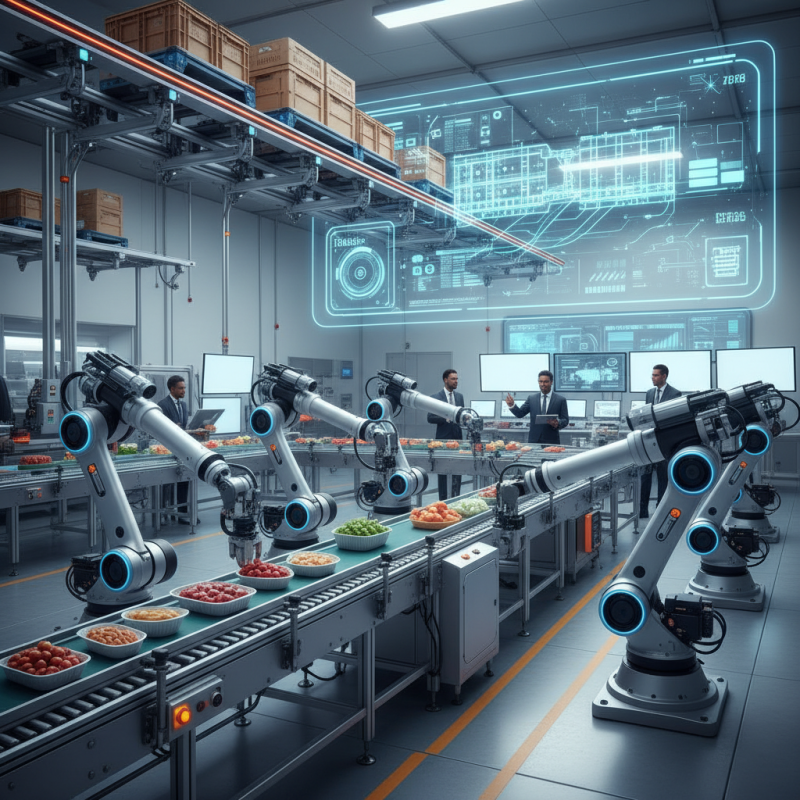
As the food industry evolves, food automation becomes increasingly vital. In 2026, businesses must adapt to stay competitive. Innovative technologies are driving change in production and supply chains.
Food automation offers solutions to streamline processes and enhance efficiency. Many companies are investing in robotics, AI, and smart systems. These advancements improve accuracy and reduce human error. However, these technologies require careful implementation and training.
While food automation can boost productivity, challenges remain. Technological integration may face resistance from workers. Companies must balance automation with a skilled workforce. Understanding these trends will enable global buyers to make informed decisions. Staying updated on food automation is essential for future success.
Key Innovations in Food Automation for 2026
As we move into 2026, the food automation landscape is rapidly evolving. New technologies are changing how food is produced, processed, and delivered.
Robotics and artificial intelligence are now integral, streamlining operations and enhancing precision. Automation is reducing labor costs but raises concerns about job displacement.
Machine learning is also making significant strides. It optimizes supply chain management and predicts food trends. Smart devices in kitchens are another innovating aspect. They monitor food safety and quality, helping to prevent waste. While exciting, these advancements pose challenges in integration and user adaptation.
Sustainability is a big focus in food automation. Technologies are being developed to minimize energy use and reduce carbon footprints. However, implementing these solutions can be expensive. The balance between innovation and practicality remains a key discussion point. Buyers must consider costs versus the long-term benefits of these technologies. As the industry evolves, feedback and continuous improvement will shape future developments.
Impact of AI and Machine Learning on Food Production
Artificial Intelligence (AI) and Machine Learning are transforming food production. These technologies optimize processes and enhance quality control. They analyze data from farms and production lines. This data helps in predicting trends and ensuring consistent quality.
Imagine a farm using AI-driven sensors. These sensors monitor soil conditions in real-time. They provide insights into the best times for planting and harvesting. This leads to higher yields and less waste. However, reliance on technology raises concerns about job displacement and data security.
In processing plants, machine learning algorithms identify defects in products. They improve efficiency while reducing costs. Yet, integrating these systems can be challenging. Many companies struggle with the initial investment and training. Balancing innovation with ethical considerations will be key for the future.
2026 Top Food Automation Trends for Global Buyers
This chart represents the projected growth in various food automation technologies by 2026. The data highlights the expected market share for AI, Robotics, IoT, and Big Data Analytics in food production.
Sustainability Trends Driving Food Automation Technologies
The pursuit of sustainability is reshaping food automation technologies. A report by the Food and Agriculture Organization (FAO) indicates that sustainable practices can reduce food waste by up to 50%. Automation plays a crucial role in streamlining processes, improving efficiency, and minimizing environmental impact.
Many companies now focus on integrating renewable energy sources into equipment. Smart sensors help monitor energy consumption, leading to significant cost savings. For example, investing in energy-efficient robotics can yield a return on investment (ROI) of up to 30% within the first year.
Tip: Embrace automation solutions that prioritize sustainability. Look for technologies that optimize resource use and reduce waste.
Another trend is the increased use of AI for sustainable supply chain management. AI can analyze data and predict demand, minimizing overproduction. According to a recent study, companies utilizing AI in their supply chains can decrease their carbon footprint by 10-15%. While progress is being made, challenges remain. Implementation costs and the need for worker training are hurdles businesses must consider.
Tip: Evaluate your current processes and identify areas for improvement. Every small step toward sustainability can contribute positively.
2026 Top Food Automation Trends for Global Buyers to Know - Sustainability Trends Driving Food Automation Technologies
| Trend |
Description |
Impact on Sustainability |
Estimated Adoption Rate (%) |
Projected Growth (2023-2026) |
| Smart Manufacturing |
Integration of IoT and AI for real-time monitoring and control. |
Reduces waste and optimizes resource usage. |
75% |
20% |
| Robotic Process Automation (RPA) |
Automation of repetitive tasks in food processing and packaging. |
Decreases energy consumption and enhances production efficiency. |
68% |
25% |
| Sustainable Sourcing Solutions |
Technologies to streamline and track sourcing processes. |
Promotes responsible sourcing and reduces carbon footprint. |
80% |
15% |
| Traceability Solutions |
Enhanced tracking of food products from farm to fork. |
Improves transparency and reduces food waste. |
70% |
18% |
| Energy-efficient Equipment |
Adoption of machinery designed to minimize energy use. |
Significantly lowers operational costs and emissions. |
82% |
22% |
Emerging Food Automation Startups to Watch in 2026
As the food industry evolves, emerging startups are reshaping food automation. These companies focus on integrating technology into food production, preparation, and delivery. Their innovations promise to enhance efficiency and reduce waste. It's exciting to see how creativity drives automation in this sector.
One notable trend among startups is the use of artificial intelligence. AI can predict consumer preferences, aiding in inventory management. Moreover, robotics are becoming vital in food preparation. However, challenges persist. Ensuring food safety and maintaining quality remain critical concerns. Many companies grapple with scaling their solutions while addressing these issues.
Investors are keen to watch these startups closely. They offer fresh perspectives on age-old problems in the food industry. The journey ahead is not without hurdles. Continuous adaptation and learning will be essential for these startups to thrive. Staying aligned with consumer trends is crucial as they navigate this dynamic environment.