2025 Top 10 Innovations in Mining Automation Transforming the Industry
The mining industry is undergoing a significant transformation, driven by the rapid adoption of mining automation technologies. According to a recent report by McKinsey & Company, automation can potentially improve productivity in mining operations by up to 30%, significantly lowering operational costs and enhancing efficiency. As companies strive to meet the increasing global demand for minerals and metals, the integration of automated systems has become essential for staying competitive in an ever-evolving market.
In 2025, the top innovations in mining automation are poised to reshape the landscape of the industry. These advancements not only address the pressing challenges of resource extraction but also aim to improve safety and sustainability in operations. The World Economic Forum has highlighted that automation can lead to a reduction in workplace accidents by up to 50%, emphasizing its role in creating safer work environments. As we explore the top five innovations leading this transformation, it becomes clear that the future of mining is intertwined with the power of automation, offering unprecedented opportunities for growth and development in the sector.
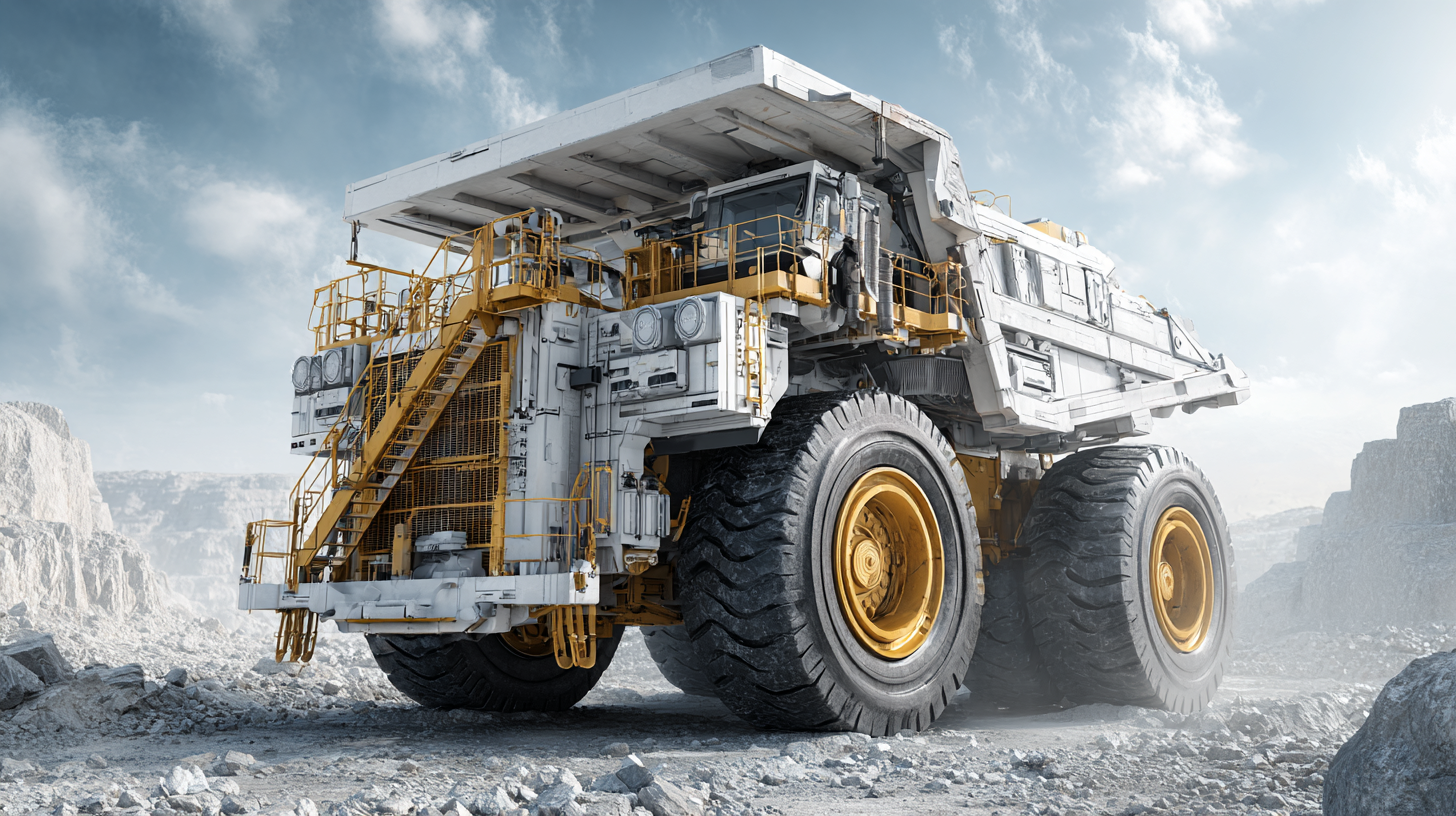
Identifying the Key Trends in Mining Automation for 2025
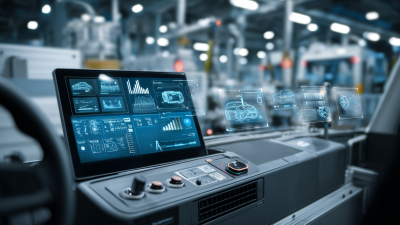
The mining industry is on the brink of a technological revolution, with automation playing a pivotal role in its transformation by 2025. Key trends shaping this landscape include the integration of artificial intelligence (AI) and machine learning, which enhance decision-making processes by analyzing vast amounts of data in real time. This allows for predictive maintenance of equipment, minimizing downtime and optimizing resource allocation. Such advancements are critical in increasing operational efficiency and ensuring that mining companies can adapt swiftly to market demands.
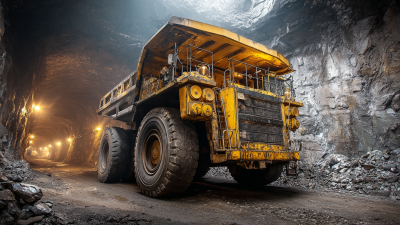
Another significant trend is the rise of autonomous vehicles and drones, which are redefining how mining operations are conducted. These technologies not only ensure safety by reducing human exposure in hazardous environments but also improve productivity by enabling precise mapping and monitoring of mining sites. Additionally, advancements in remote operation technologies are empowering teams to manage operations from afar, ensuring better control and reduced risks. As these trends converge, mining automation is set to create a more sustainable and efficient operational model for the industry, paving the way for future innovations.
Exploring Advanced Robotics and Their Impact on Mining Operations
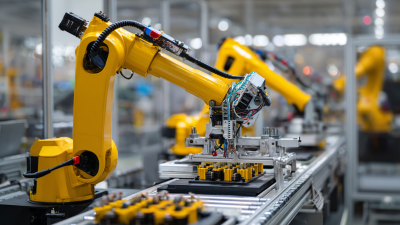
The mining industry is on the brink of a transformative change driven by advanced robotics and automation technologies. Robotic blasting technology, in particular, is leading the charge, enhancing safety and precision in mining operations. By integrating robotics, companies can reduce human exposure to hazardous environments while improving efficiency and decreasing operational costs. As these technologies evolve, they promise not only to improve productivity but also to contribute to more sustainable mining practices by minimizing environmental impact.
Tips for mining companies looking to integrate robotic technology include investing in employee training to ensure a smooth transition to automated systems. It's crucial to involve teams in the process, as their insights can help identify the best applications for robotics in their specific operations. Additionally, collaboration with technology providers can aid in customizing solutions that align with the unique challenges of each mining site.
Furthermore, the integration of AI into mining operations, especially in gold mining, is gaining traction. AI can analyze vast amounts of data to optimize exploration and resource extraction, ultimately leading to increased profitability. Companies should consider implementing AI solutions that facilitate predictive maintenance and enhance mineral recovery rates, ensuring they remain competitive in a rapidly evolving market.
Harnessing Artificial Intelligence for Enhanced Decision-Making in Mining
Artificial intelligence (AI) is set to revolutionize the mining industry by enhancing decision-making processes across various operations. With the increasing complexity of mining activities, AI technologies can analyze vast amounts of data in real-time, providing insights that were previously unattainable. From predictive maintenance of equipment to optimizing extraction processes, AI enables mining companies to make informed decisions that reduce operational costs and improve safety standards.
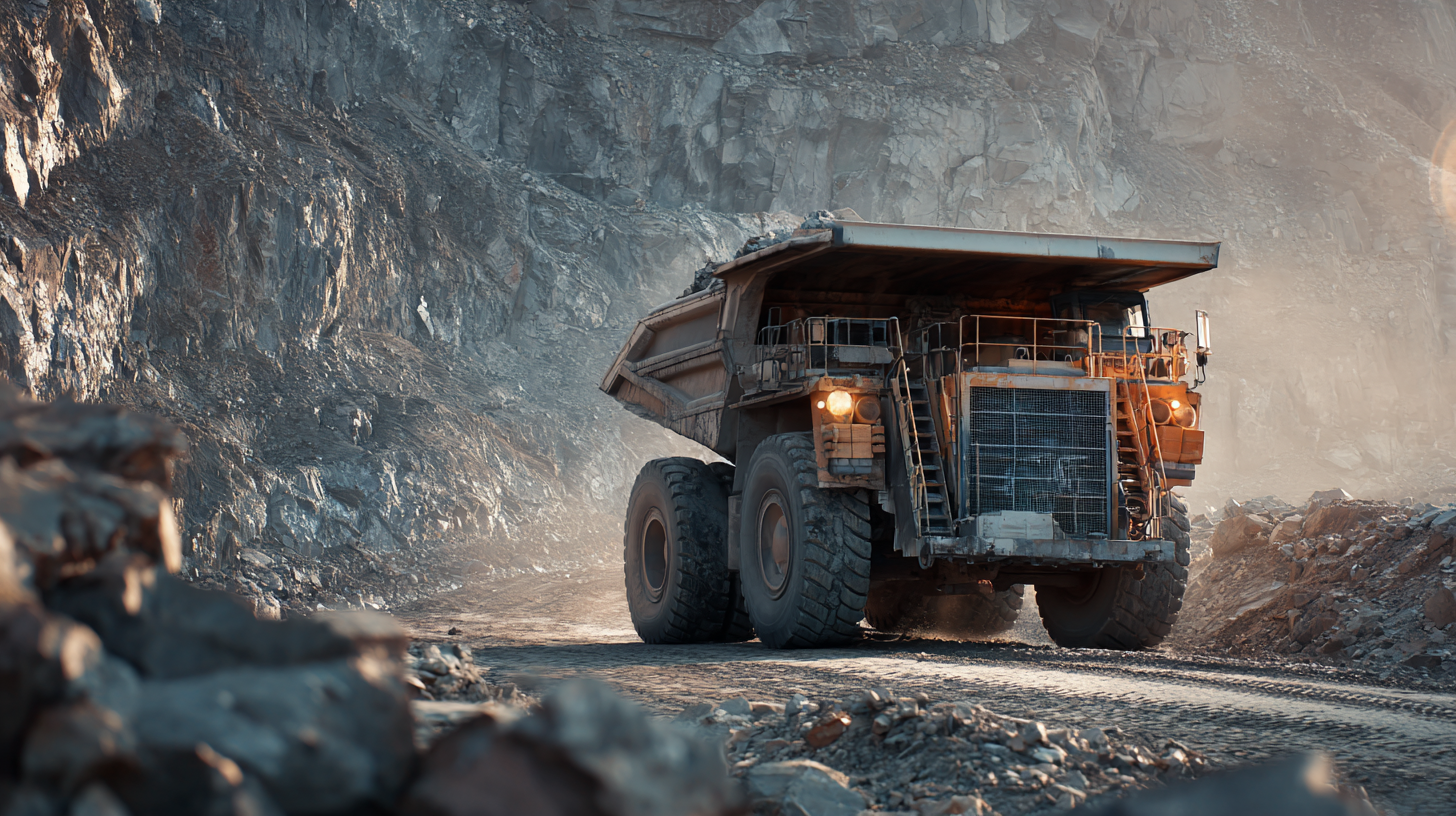
Furthermore, AI-driven automation tools facilitate better resource management by helping companies forecast demand and assess environmental impact more accurately. Machine learning algorithms can identify patterns in geological data, leading to more effective exploration and resource allocation. This transformative approach not only boosts productivity but also minimizes the environmental footprint of mining operations, pushing the industry closer to sustainable practices while ensuring profitability.
Integrating IoT Solutions to Improve Efficiency and Safety in Mines
The integration of IoT solutions in mining operations is set to revolutionize the industry by significantly enhancing efficiency and safety. According to a report by McKinsey, the adoption of IoT technologies could result in a 10-15% increase in productivity across the mining sector. By leveraging real-time data analytics, mining companies can optimize their operations, ensuring that equipment runs efficiently and maintenance is proactively scheduled, which minimizes downtime and operational costs.
Moreover, IoT-enabled sensors and monitoring systems play a crucial role in improving workplace safety. A study from the International Council on Mining and Metals (ICMM) indicated that IoT solutions can reduce workplace incidents by up to 30% by providing timely alerts and real-time monitoring of hazardous conditions. For instance, these systems can track air quality and ground stability, alerting workers and management to dangerous conditions before they escalate. The enhanced visibility into environmental conditions not only protects miners but also fosters a culture of safety within the industry, which is paramount for maintaining workforce morale and compliance with regulatory standards.
Evaluating the Role of Autonomous Vehicles in Future Mining Practices
The mining industry is witnessing a significant transformation driven by the integration of autonomous vehicles. According to a report by MarketsandMarkets, the global mining automation market is projected to reach USD 3.29 billion by 2026, reflecting a strong compound annual growth rate (CAGR) of 8.2% from 2021. This growth highlights the industry's commitment to leveraging technology to enhance operational efficiency, safety, and sustainability.
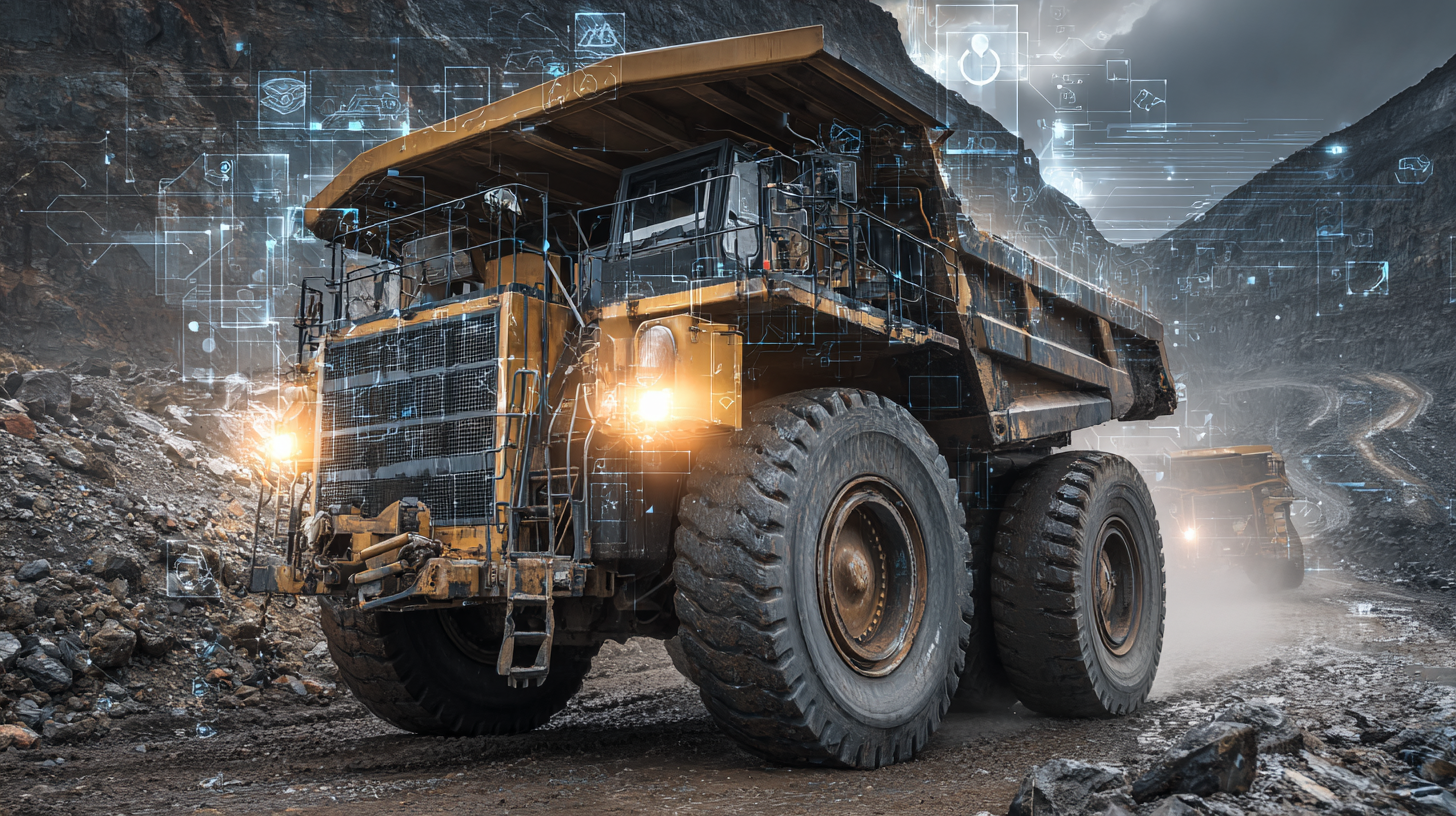
Autonomous vehicles are at the forefront of this innovation, offering numerous advantages over traditional mining methods. A study by McKinsey & Company estimates that fully autonomous trucks could reduce operating costs by 15% to 30%, significantly improving profit margins in an industry often challenged by high expenditures. By reducing the need for human intervention in hazardous environments, these vehicles not only minimize the risk of accidents but also enable mining companies to operate continuously, maximizing output and productivity.
Moreover, integrating autonomous systems allows for better data collection and analysis, providing insights that can lead to optimized operational strategies. As the mining sector evolves, the adoption of autonomous vehicles will undoubtedly play a crucial role in shaping safer, more efficient, and environmentally responsible mining practices, marking a pivotal movement toward a more automated future in the industry.